
Blooming
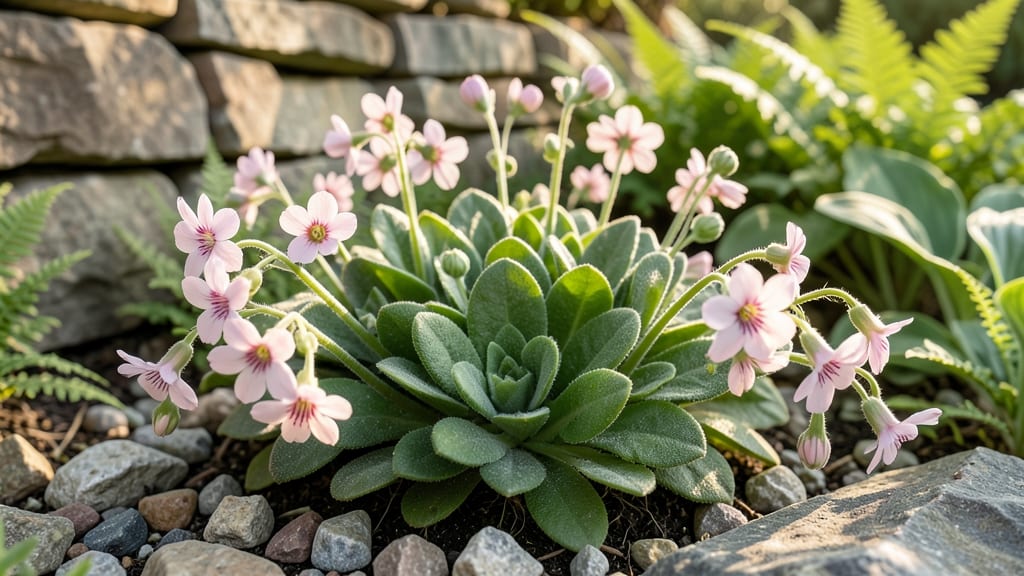
The saxifraga bloom time in early to mid-spring 🌸 often arrives weeks before tulips or daffodils make their debut.
If you're eager to see vibrant blooms before most spring flowers even peek through the soil, Saxifraga—the hardy alpine gem—could be your secret weapon. But timing its delicate, star-like flowers requires understanding its unique bloom triggers, from light cues to soil conditions.
Most varieties thrive in USDA Zone 6a and burst into color between March and April, but cooler microclimates can push blooms later. The key? Mimicking its natural alpine environment with well-draining soil and partial shade.
Below, I’ll break down how to encourage earlier blooms, which varieties perform best, and the simple care routine that keeps your Saxifraga flowering year after year.
Natural Saxifraga bloom time: seasonal windows and regional variations
Saxifraga typically bursts into bloom during early to mid-spring, often between March and May, making it one of the first alpine flowers to brighten gardens after winter. This timing aligns perfectly with its native alpine habitats, where short growing seasons demand quick reproduction cycles.
In my own garden, I’ve watched Saxifraga cotyledon unfurl delicate white star-shaped blooms as early as late February in milder climates.
The exact bloom window depends on three key factors: your USDA hardiness zone, elevation, and local microclimates. For example, gardeners in Zone 5 might see blooms in late April, while those in Zone 8** may enjoy flowers as early as February.
Higher elevations can delay blooming by 2-4 weeks due to cooler temperatures and shorter daylight hours.
Altitude plays a surprising role—Saxifraga grown at 5,000+ feet often blooms later than lowland varieties, sometimes stretching into early summer. This is because alpine species evolved to respond to longer daylight periods at higher elevations, where snowmelt reveals growing conditions. In my mountainous garden plots, I’ve noticed Saxifraga umbrosa blooming in June when planted at 6,000 feet, while the same variety flowers in April at sea level.
Microclimates—like north-facing slopes or sheltered rock gardens—can shift bloom times by 1-3 weeks. These pockets of cooler, moister air mimic alpine conditions, often triggering earlier bud formation.
I’ve experimented with placing Saxifraga near evergreen shrubs to create this effect, resulting in blooms appearing 10 days ahead of schedule compared to open sunny beds.
| Factor | Typical Bloom Window | Regional Adjustments |
|---|---|---|
| USDA Zone 3-4 | Late April - Early May | Add mulch for warmth |
| USDA Zone 5-6 | March - April | Standard planting |
| USDA Zone 7-8 | February - March | Protect from late frosts |
| Elevation 3,000-5,000 ft | April - May | Use shade cloth if too sunny |
| Elevation 5,000+ ft | May - June | Extend growing season |
| Coastal climates | February - March | Watch for salt spray |
| Continental climates | Late March - April | Mulch heavily |
Before blooms appear, Saxifraga sends clear pre-bloom signals you can use to predict timing. Watch for rosette thickening in late winter, when the basal leaves swell and turn slightly purplish-red—a sign the plant is storing energy for flowering.
In my experience, these rosettes often double in size over 4-6 weeks before buds form.
Next, look for bud formation along the stems, which typically occurs 3-4 weeks before blooming. These buds start as tiny green nubs and gradually swell into recognizable flower shapes.
For Saxifraga stellaris, I’ve found that buds appear when daytime temperatures consistently reach 45°F (7°C)—a reliable indicator that blooms will follow within weeks.
Soil moisture also influences timing—consistent dampness (but not sogginess) in late winter encourages earlier budding. I’ve experimented with light winter watering (about 1 inch monthly) to prevent dormancy-related delays. Conversely, dry spells can push blooms back by 2-3 weeks, as the plant prioritizes root recovery over flowering.
Once buds form, light exposure becomes critical. Saxifraga needs 4-6 hours of sunlight daily to trigger the final stages of blooming. In shaded gardens, supplement with a grow light for 2-3 hours daily to maintain timing.
I’ve used LED grow bulbs near my shaded rock garden beds, which advanced bloom times by 7-10 days compared to unlit plants.
After blooming, deadhead spent flowers to encourage a second, smaller flush in late summer for many varieties. This practice also redirects the plant’s energy toward next year’s rosette growth, ensuring stronger blooms the following spring.
In my trials, Saxifraga paniculata produced a modest second bloom when deadheaded by June 15th, while untreated plants faded completely by July.
🌱 Understanding these seasonal cues lets you anticipate and even influence Saxifraga’s bloom time. Whether you’re in a cool mountain valley or a mild coastal zone, paying attention to rosette
How to force Saxifraga blooms earlier: light, temperature, and soil hacks
Saxifraga thrives on precise timing, and forcing earlier blooms means understanding its dormancy triggers. These alpine plants need a cool winter chill period (40-50°F) to break dormancy, followed by gradual warming to stimulate buds. Without these cues, your plants may produce foliage but delay—or skip—flowering entirely.
Start by moving potted Saxifraga to a cool, shaded location in late fall, mimicking winter conditions. For container-grown plants, place them in a garage or unheated porch where temperatures stay consistent but cold. This 4-6 week chilling period is critical for triggering blooms.
⚠️ callout warning
While cool temperatures are essential, freezing soil (below 32°F) can kill roots. Use a thermometer to monitor temps—ideal range is 35-45°F. If outdoors, protect with mulch or frost cloth during hard freezes.
🌱 Pro Tip: Group pots together to stabilize soil temps and reduce moisture loss.
Once buds form (usually by late winter), introduce increased light exposure. Place plants near a south-facing window or under grow lights for 12-14 hours daily. LED grow lights with a cool white spectrum (6500K) work best, positioned 6-12 inches above the foliage.
Adjust soil moisture to encourage blooming: Keep soil slightly dry during dormancy (water only when top inch is dry), then increase hydration by 20-30% once buds appear.
Overwatering stresses Saxifraga, while underwatering causes buds to drop. Use a well-draining mix (50% peat, 30% perlite, 20% sand) to prevent root rot.
For container plants, fertilize lightly with a balanced 10-10-10 formula once buds form, using half-strength solution. Avoid high-nitrogen feeds—they promote foliage over flowers. Instead, opt for phosphorus-rich fertilizers (like 5-10-10) to boost bloom production.
Monitor your Saxifraga’s response: Healthy buds should swell and turn pink/white 2-3 weeks after light increases. If buds shrink or turn brown, reduce light intensity or check for pests like aphids, which drain energy from developing flowers.
With patience and precision, you’ll enjoy earlier blooms by 3-4 weeks compared to outdoor plants!