
Blooming
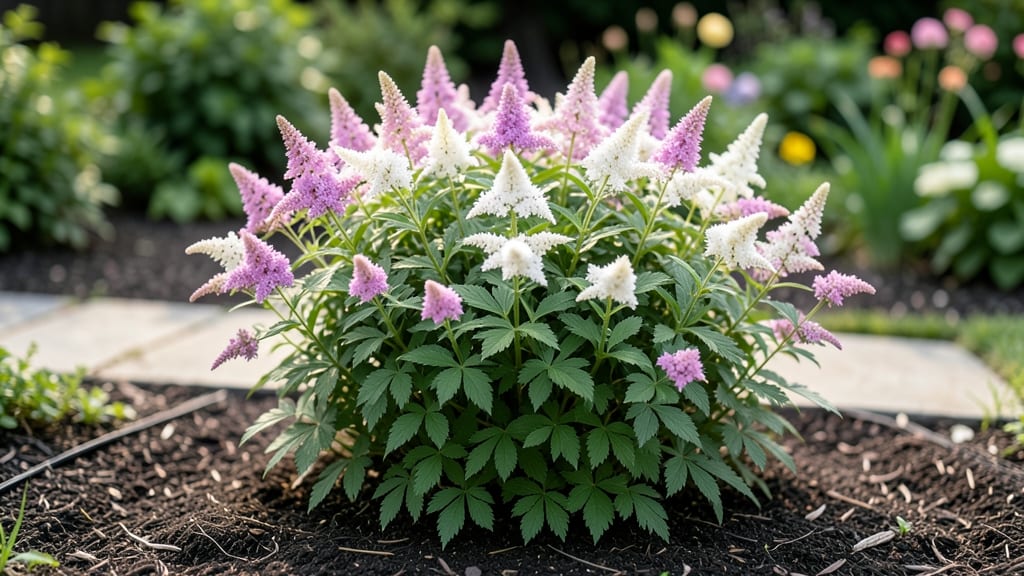
Timing your astilbe blooms to align with your garden’s peak season is easier than you think—these feathery beauties 🌸 typically burst into color between late May and July, depending on your zone.
If you’ve ever admired astilbe’s lacy plumes but watched them fade too soon, you’re not alone. The secret lies in understanding their natural rhythm and a few simple care tweaks that can stretch their show by weeks.
From USDA Zone 6a to warmer regions, bloom times shift—early varieties like ‘Deutschland’ pop in June, while late bloomers such as ‘Fanal’ linger into August. Sunlight, soil moisture, and even pruning play a bigger role than most gardeners realize.
Below, I’ll break down how to sync their bloom time with your garden’s schedule, plus 5 proven tricks to keep those plumes looking fresh longer—no guesswork required.
Astilbe bloom time by variety: month-by-month guide for peak plumes
Timing your garden’s astilbe blooms starts with knowing each variety’s natural rhythm. These feathery plumes thrive in staggered seasons, offering 3-6 weeks of color depending on the cultivar. Early bloomers like ‘Deutschland’ kick off the show in late May, while late varieties such as ‘Fanal’ linger until mid-August.
Your USDA zone shifts these timelines by 2-4 weeks, with cooler climates enjoying earlier blooms.
To create a continuous plume display, mix early, mid, and late-season varieties. For example, pair ‘Brussels Lace’ (June) with ‘Amethyst’ (July-August) for a seamless transition. Partial shade and moist soil are non-negotiable—these perennials wilt under full sun or drought.
Let’s dive into the month-by-month breakdown to plan your peak bloom calendar.
🌸
| Variety | Bloom Months | Height (ft) | Color | Zone Adjustment |
|---|---|---|---|---|
| ‘Deutschland’ | Late May - Early June | 2-3 | White | +2 weeks in Zones 3-4 |
| ‘Fanal’ | July - August | 2-3 | Deep Red | -2 weeks in Zones 8-9 |
| ‘Brussels Lace’ | June - July | 1-2 | Pink | +1 week in Zones 5-6 |
| ‘Amethyst’ | July - August | 2-3 | Purple | -1 week in Zones 7-8 |
| ‘Peach Blossom’ | June - July | 1.5-2.5 | Peach | +1 week in Zones 4-5 |
In USDA Zone 5, ‘Deutschland’ typically blooms May 25-June 10, while in Zone 8, the same variety may wait until June 15-July 1. This 2-week shift highlights why climate zone mapping is critical.
For example, ‘Fanal’ in Zone 6 peaks in mid-July, but in Zone 9, it stretches into early September. Use this monthly guide to align blooms with your garden’s peak color windows.
For staggered blooms, prioritize 3 varieties with overlapping timelines. A June-July combo like ‘Brussels Lace’ + ‘Peach Blossom’ ensures nonstop plumes from early June through mid-July. In hotter zones (7-10), afternoon shade prevents bud drop, while cooler zones (3-5) benefit from morning sun to kickstart growth.
Pro tip: Deadhead spent blooms by mid-July to encourage a second flush in late August-September, especially for ‘Amethyst’ and ‘Fanal’. This reblooming trick extends your plume season by 3-4 weeks. Pair this with consistent moisture—1 inch per week—to keep stems upright and vibrant.
If you’re in Zone 4, protect young plants with mulch to delay first bloom until late June. In Zone 10, ‘Fanal’ may
5 Proven techniques to extend astilbe bloom time naturally
Astilbe’s delicate plumes are a garden highlight, but their bloom time can feel disappointingly short. With the right care, you can extend their seasonal display by 3-4 weeks or more. The key lies in understanding their natural rhythms and making small but impactful adjustments to soil, light, and maintenance.
Unlike annuals, astilbe are perennials that reward patience—think of each bloom as a renewable resource you can nurture throughout the season.
Most gardeners focus on planting and initial care, but the real magic happens in post-bloom maintenance. Whether you’re dealing with early-season wilting or late-summer fade, these techniques will help your astilbe perform like a prolonged showstopper.
Start with simple deadheading and work your way to soil science—each step builds on the last to create a self-sustaining bloom cycle.
- Deadhead Weekly – Snip spent blooms below the first set of leaves to redirect energy to new growth. Use clean bypass pruners to avoid damaging stems.
- Mulch Heavily – Apply 3 inches of organic mulch (shredded bark or straw) to retain moisture and cool roots. Replenish every 3-4 months for best results.
- Water Deeply – Soak soil to 12 inches deep every 5-7 days (more in heat). Avoid wetting foliage to prevent fungal diseases.
- Adjust Light Exposure – Move containers to dappled shade in peak afternoon sun. For in-ground plants, add light shade cloth (30-50%) during July-August.
- Fertilize Strategically – Use a low-nitrogen, high-phosphorus fertilizer (5-10-10) in early spring and mid-summer. Avoid fall feeding to prevent tender new growth.
One of the most overlooked factors in extending bloom time is seasonal pruning. After the first flush of blooms fades, resist the urge to cut everything back. Instead, leave 3-4 inches of stem to allow for a second, smaller bloom cycle in late summer.
This works best with varieties like ‘Deutschland’ and ‘Fanal’, which naturally produce staggered blooms when given the right conditions.
For container-grown astilbe, root-bound stress can shorten bloom time dramatically. Check roots annually—if they’re circling the pot, repot in early spring with fresh peat-based potting mix. Add a handful of perlite to improve drainage, as astilbe hates soggy roots.
This simple step can add 2-3 weeks to your display by reducing transplant shock.
Don’t underestimate the power of morning watering routines. Watering at dawn allows foliage to dry completely by evening, reducing powdery mildew risk—a common issue that weakens plants and cuts bloom time short.
Pair this with drip irrigation or soaker hoses to deliver water directly to roots, minimizing waste and maximizing efficiency. In drought-prone areas, consider grouping astilbe with hostas to create a shared microclimate that retains moisture longer.
With these techniques, your astilbe can bloom from late spring through early fall, turning your garden into a sequential color spectacle. The secret? Consistency. Astilbe respond best to predictable care, so stick to your deadheading schedule, monitor soil moisture, and adjust light as seasons shift.
Before you know it, you’ll have plumes in every shade—from pink ‘Deutschland’ to deep red ‘Visions’—gracing your garden for weeks longer than expected.