
Blooming
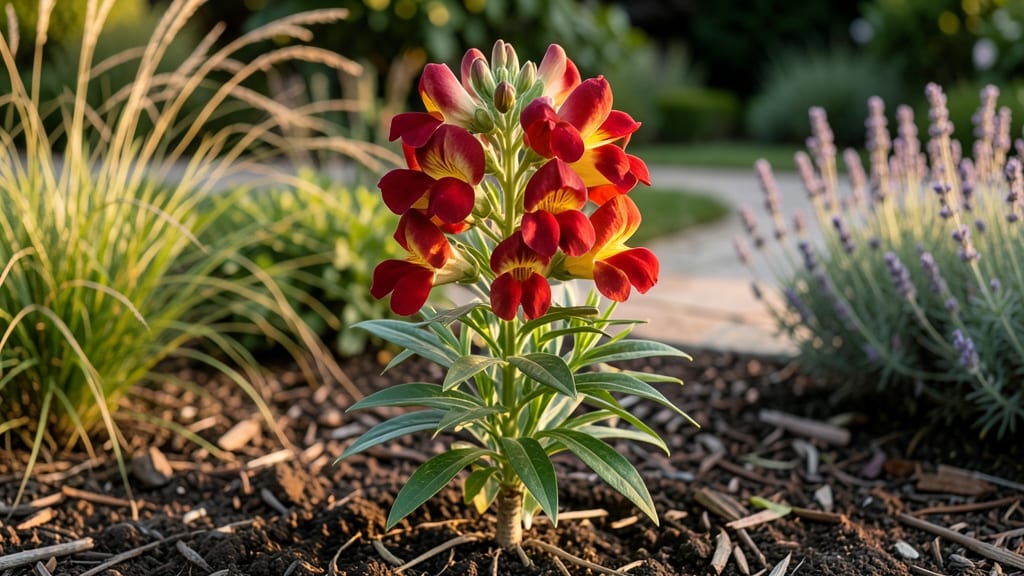
Snapdragon flowers bloom at different times depending on the variety and planting season, creating a vibrant display from early summer through fall.
Picture this: you’ve just tucked in your last batch of seeds in late August, only to wonder if they’ll ever burst into color before winter sets in. The good news?
With the right timing and care, your snapdragons can keep you in blooms from June all the way to October, or even later in milder climates.
But here’s the catch—annual snapdragons planted in spring typically flower by July, while those sown in late summer may not open until September or October. Perennial varieties can stretch blooms even further, especially in USDA Zone 6a or warmer.
Knowing your variety and planting window is the key to unlocking a garden full of color.
In this guide, I’ll break down the exact bloom windows for popular varieties, share pro tips to extend flowering, and help you pick the perfect snapdragons for your seasonal goals—so you can enjoy those cheerful 🌸 faces all season long.
Snapdragon bloom time by variety: month-by-month flowering calendar
Snapdragons (Antirrhinum) are one of the most rewarding flowers for gardeners, offering colorful blooms from early spring to late fall. Their bloom times vary dramatically by variety, with some varieties bursting into color as early as March while others shine through October.
Understanding these patterns helps you create a continuous floral display in your garden.
The key to maximizing snapdragon blooms lies in selecting the right varieties for your climate and planting them at optimal times. Annual snapdragons typically bloom for 3-5 months, while perennial varieties can extend flowering into a second season with proper care.
Let's explore the month-by-month breakdown to plan your garden like a pro.
🌸
| Bloom Period | Variety Types | Color Palette | Height Range | Best For |
|---|---|---|---|---|
| March - April | Early Annuals (e.g., 'Butterfly Mix', 'Tom Thumb') | Soft pink, lavender, white | 12-18 inches | Spring containers, cut flowers |
| May - July | Mid-Season (e.g., 'Rocket Series', 'Monarch') | Bright red, yellow, orange | 24-36 inches | Border plantings, pollinator gardens |
| June - August | Heat-Tolerant (e.g., 'Freedom Series', 'Triumph') | Deep purple, bi-color mixes | 18-24 inches | Summer-long color, drought areas |
| August - October | Late Season (e.g., 'Dragonfly Series', 'Perennial types') | Cream, salmon, deep magenta | 12-30 inches | Fall gardens, late-season cuttings |
| September - Frost | Hardy Perennials (e.g., 'Antirrhinum majus') | All colors, often bi-color | 18-36 inches | Long-term garden interest |
For early bloomers like 'Tom Thumb', planting seeds indoors in February ensures flowers by March. These compact varieties thrive in cool spring temperatures and produce delicate pastel blooms perfect for Easter displays. Their 12-18 inch height makes them ideal for container gardens on patios or balconies.
The mid-season varieties like 'Rocket Series' dominate from May through July, offering bold colors that attract pollinators. These tall varieties (24-36 inches) work beautifully as backdrop plants in borders or mixed flower beds.
Plant seeds directly in April after frost for best results, as they need consistent moisture during their 60-75 day growth period.
🌿
If you want summer-long color, heat-tolerant varieties like 'Freedom Series' are your best bet. These snapdragons bloom from June through August and handle warmer temperatures better than traditional varieties.
Their bi-color blooms add visual interest to drought-tolerant gardens. For maximum impact, plant in full sun locations and deadhead regularly to encourage continuous blooming.
For late-season performers, varieties like 'Dragonfly Series' shine from August through October, extending your garden's color palette into fall. These varieties often feature richer colors like deep magenta and cream that contrast beautifully with autumn foliage.
Plant these 60 days before your first frost to ensure they establish before cooler weather arrives.
Perennial snapdragons offer the longest bloom times, often flowering from late summer through frost. Varieties like Antirrhinum majus return year after year with proper care, making them excellent low-maintenance garden workhorses. Their taller stature (18-36 inches) makes them perfect for background plantings in perennial borders.
To create a continuous bloom display, I recommend planting a mix of early, mid, and late-season varieties. Start with early bloomers in containers, add mid-season varieties to borders, and finish with late-season types in perennial beds.
This staggered approach ensures your garden stays vibrant from spring through fall.
🌼
Remember that local climate plays a crucial role in bloom timing. In warmer southern regions, snapdragons may bloom earlier and continue later into fall, while northern gardens might see shorter bloom seasons.
Always check your USDA hardiness zone and adjust planting times accordingly. With this month-by-month guide, you'll have snapdragons blooming beautifully all season long.
How to extend snapdragon bloom time: pro tips for longer flowering seasons
Snapdragons are famous for their long-lasting blooms, but with the right techniques, you can push their flowering season even further. Whether you want earlier spring blooms or extended fall color, these strategies will help you maximize your snapdragon's potential.
The key lies in understanding their growth habits and making small adjustments to their environment.
One of the biggest factors affecting bloom time is light exposure. Snapdragons thrive in full sun (6+ hours daily), but too much heat can cause them to bolt prematurely.
By providing light shade during peak afternoon sun, especially in hot climates, you can delay bolting and extend the flowering period. This simple adjustment can add 2-4 weeks to your snapdragon's bloom time.
🌸 Pro Tips to Extend Snapdragon Bloom Time
- 1. Deadhead Regularly – Remove spent blooms every 2-3 days to encourage new flower production. This simple step can extend blooming by 30-50%.
- 2. Adjust Light Exposure – Provide morning sun + afternoon shade in hot climates to prevent bolting. Use lightweight shade cloth (30-50%) for best results.
- 3. Manage Soil Temperature – Keep soil cool (60-65°F) during early growth. Mulch with straw or pine needles to regulate temperature.
- 4. Stagger Planting – Plant new batches every 2 weeks for continuous blooms. This works especially well for annual varieties.
- 5. Fertilize Strategically – Use a balanced fertilizer (5-10-10) every 4-6 weeks during active growth. Avoid over-fertilizing, which can reduce flowering.
- 6. Choose the Right Varieties – Select dwarf or semi-dwarf varieties for container gardening, as they often bloom longer in controlled environments.
- 7. Water Consistently – Keep soil evenly moist but never soggy. Morning watering prevents fungal issues and supports steady growth.
Another game-changer is deadheading. By pinching off faded blooms daily or every other day, you redirect the plant’s energy toward producing new flowers instead of seed pods. This method works wonders for annual snapdragons, which can continue blooming for up to 3 months with consistent care.
For perennial varieties, deadheading in early summer can encourage a second flush of blooms in late summer or fall.
For gardeners in cooler climates (USDA Zones 3-5), fall-planted snapdragons can bloom into early winter if protected from frost. Use row covers or cold frames to shield plants from light frosts (28-32°F).
This trick is especially effective for tall varieties like 'Black Prince', which can add color to your garden well into December.
Don’t overlook the power of variety selection. Some snapdragons, like 'Matrix Hybrid' or 'Rocket Series', are bred for longer bloom times and better heat tolerance. Mixing early, mid, and late-season varieties in your garden ensures a continuous display of color from spring through fall.
For example, plant 'Pocket Rocket' (early bloomer) alongside 'Allegro' (late-season) for a seamless transition.
With these pro tips, your snapdragons will reward you with vibrant blooms for weeks longer than average. Start with just one or two techniques, and gradually experiment to find what works best for your climate and growing conditions. Happy gardening! 🌿