
Blooming
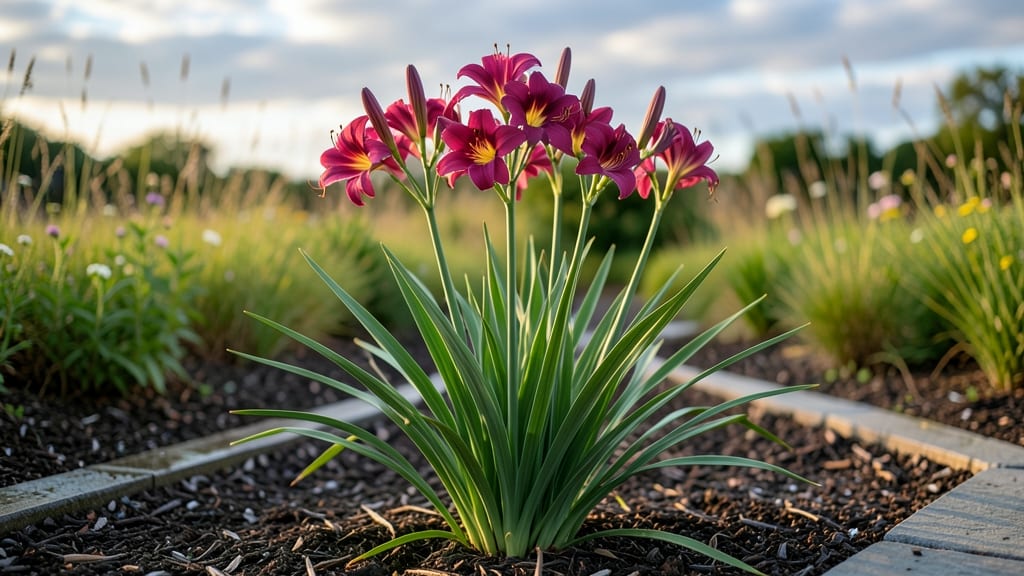
Continuous bloom daylilies extend their flowering season through careful variety selection and consistent deadheading, ensuring vibrant blooms from early summer through frost. Opt for reblooming types like 'Stella de Oro' or 'Happy Returns' and trim spent flowers regularly to stimulate new growth.
These reblooming daylilies are bred specifically to produce multiple flushes of flowers throughout the growing season, unlike their single-bloom cousins that flower just once. 🌸 The secret lies in their genetics—rebloomers store energy in their roots during the off-season, allowing them to push out new blooms when conditions are right.
I’ve found that combining the right cultivar with proper deadheading can turn a single summer burst into a continuous display that lasts until frost.
For best results, focus on removing spent blooms within 24 hours of wilting to redirect the plant’s energy toward new growth. This technique works because daylilies naturally produce flower buds on their current season’s growth, so keeping the plant actively blooming encourages it to keep producing.
Just be sure to cut stems at the base rather than pulling—the roots are surprisingly resilient, and proper pruning prevents disease while maintaining the plant’s vigor.
💡 In This Article
- How Daylily Varieties Influence Reblooming Cycles
- Step-by-Step Deadheading Guide for Longer Daylily Seasons
How daylily varieties influence reblooming cycles
The magic of continuous bloom daylilies starts with their genetic makeup. Unlike single-bloom varieties that produce one spectacular show in early summer, reblooming cultivars like 'Stella de Oro' or 'Happy Returns' have been selectively bred to produce multiple flower flushes throughout the season.
These varieties store carbohydrates in their thick, fleshy roots during dormancy, creating an energy reserve that fuels new blooms when temperatures rise again in late summer.
Temperature sensitivity plays a critical role in this process. Reblooming daylilies typically need 60-70°F daytime temperatures to trigger flowering, but they also require cooler nights (50-60°F) to prevent heat stress that could halt blooming.
The cultivar 'Happy Returns', for example, can handle slightly cooler climates better than 'Stella de Oro', which thrives in USDA Zones 4-9 but may need winter protection in colder regions. This temperature sensitivity explains why some gardeners see better reblooming in partial shade conditions during hot afternoons.
Root strength is the foundation of continuous blooming. Reblooming varieties develop more extensive root systems than single-bloom types, allowing them to access water and nutrients more efficiently. A mature reblooming daylily can have roots extending 2-3 feet deep, while single-bloom varieties typically stay shallower.
This deeper root system helps the plant recover from heatwaves and drought better, maintaining consistent flowering even when conditions aren't ideal.
What most gardeners don't realize is how light affects reblooming potential. While daylilies are generally low-maintenance, reblooming varieties need 6-8 hours of sunlight daily to produce their best displays. In lower-light conditions, plants may still bloom but with reduced frequency and smaller flowers.
The cultivar 'Pardon Me' demonstrates this well—it produces stunning 10-inch blooms in full sun but may only rebloom sporadically in partial shade.
Another fascinating factor is the plant's natural growth cycle. Daylilies produce flower buds on their current season's growth, which means proper deadheading becomes crucial. When you remove spent blooms, you're signaling the plant to redirect its energy toward producing new flower stalks rather than setting seed.
This process can extend the blooming season by 4-6 weeks compared to plants left to seed naturally.
Consider these key differences between single-bloom and reblooming varieties:
- Flowering Period: Single-bloom types flower for 2-3 weeks in early summer, while rebloomers can produce flowers from June through October with proper care.
- Flower Size: Single-bloom varieties often have larger individual flowers (up to 12 inches across), while rebloomers typically produce 4-8 inch blooms more frequently.
- Root Development: Rebloomers develop more extensive root systems, making them more drought-tolerant once established.
The choice between single-bloom and reblooming varieties ultimately comes down to your gardening goals. If you want one spectacular show, single-bloomers deliver stunning individual flowers. But for continuous color and lower maintenance, reblooming cultivars are the clear winners—especially when combined with proper deadheading techniques. 🌸