
Blooming
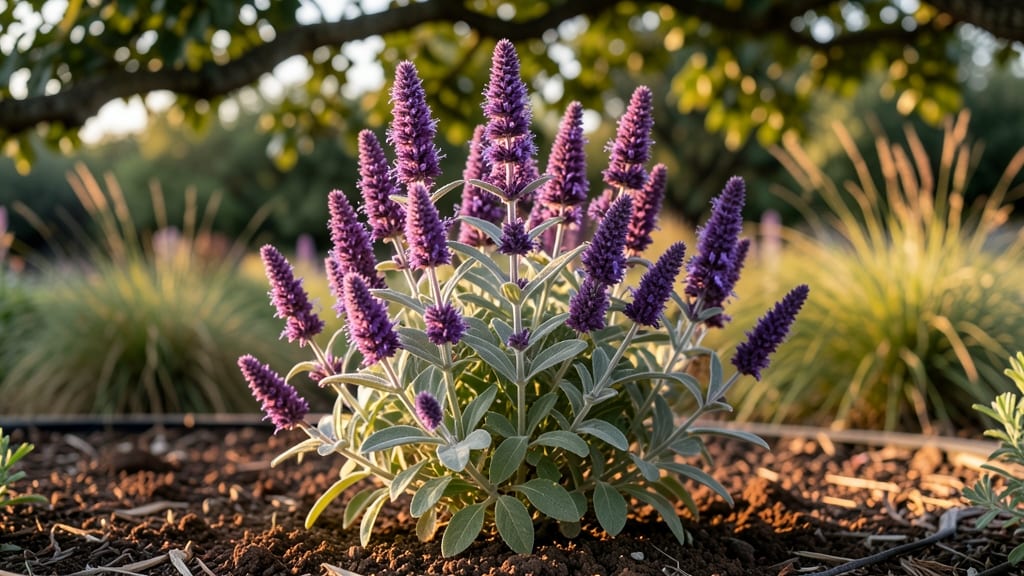
Salvias that burst with purple blooms and intoxicating fragrance are the secret weapon of my pollinator-friendly garden. 🌿 These drought-tolerant perennials don’t just survive—they thrive, attracting hummingbirds while adding vertical drama to borders or containers with their striking, velvety blooms.
The key to their success lies in full sun and well-draining soil, but they’re surprisingly forgiving. My Salvia nemorosa and Salvia leucantha mix produces six months of color, from early spring to frost, with minimal fuss.
The scent alone makes them worth growing—like walking through a lavender field, but with deeper purple hues. Plant them in masses for bold impact, or pair with silver foliage for contrast.
They’re equally at home in cottage gardens or modern landscapes, and their late-season blooms keep the garden lively when other perennials fade. For extra drama, try purple-and-white combos with catmint or lavender. The possibilities are endless, and once you plant them, you’ll never want to remove them.
📚 In This Guide
- What you need
- Instructions
- Tips and common mistakes
- Wrapping up and next steps
What you need
- ● Salvia plants: 3–5 Salvia nemorosa (Purple Perennial Sage) or Salvia officinalis (Garden Sage) plants (for full coverage)
- ● Salvia ‘May Night’ or Salvia ‘Hot Lips’ (for vibrant purple blooms)
- ● Well-draining soil: 1–2 bags of garden loam or cactus/succulent mix (1 cubic yard per 10 sq. ft.)
- ● Compost: 1–2 bags (for nutrient-rich planting)
- ● Organic mulch: 1 bag of pine bark fines or gravel (to retain moisture and deter weeds)
- ● Garden trowel or transplant spade
- ● Gloves (for handling soil and plants)
- ● Watering can or hose with a gentle spray nozzle
- ● Pruning shears (for shaping and deadheading)
- ○ Optional: Soil pH tester (ideal range: 6.0–7.0)
- ● Full sun location (6+ hours of direct sunlight daily)
- ● Space: 12–18 inches between plants (adjust for variety)
- ● Drought-tolerant zone (USDA Hardiness Zones 4–9)
- ● Pro tip: If your soil is heavy clay, amend with sand or perlite to improve drainage! 💡
How to plant and maintain purple salvias for season-long beauty
Salvias thrive with the right placement and care—here’s how to coax their vibrant blooms all season.
🌱 Step 1: Choose the Right Varieties and Planting Sites
Purple salvias like Salvia nemorosa and Salvia officinalis (purple sage) need full sun—at least 6 hours daily—and well-draining soil. I always check the soil first: dig a hole, fill it with water, and wait 30 minutes. If water pools, amend the soil with 1 part compost to 2 parts native soil to improve drainage.
Salvias hate soggy roots, so raised beds or slopes work best in heavy clay areas. If planting in containers, use a mix of 50% potting soil, 30% perlite, and 20% compost. Space plants 18-24 inches apart—they’ll spread over time, and crowding leads to fewer blooms.
☀️ Step 2: Plant at the Right Time and Depth
Spring or fall planting gives salvias time to establish roots before extreme heat or cold. Dig holes twice as wide as the root ball but only as deep as the container. Gently loosen the roots if they’re circling—this prevents transplant shock and encourages outward growth.
Backfill with soil, firm lightly, and water deeply. The key is to avoid burying the crown too deep—salvias rot if smothered. After planting, mulch with 2-3 inches of organic mulch (like shredded bark) to retain moisture and regulate soil temperature. I always water again after mulching to settle everything in place.
💧 Step 3: Water Deeply but Infrequently
Salvias are drought-tolerant once established, but young plants need consistent moisture. Water once a week during the first growing season, letting the soil dry out 2-3 inches deep between waterings. Overwatering causes root rot, so always check with your finger—if the soil feels damp below the surface, wait another day.
Mature plants thrive on neglect. In summer, I water only if the leaves start to wilt or the soil cracks. A deep soak every 10-14 days keeps them blooming without encouraging weak growth. Fertilize lightly in spring with a balanced 10-10-10 mix—too much nitrogen makes them leafy but flower-sparse.
✂️ Step 4: Prune for Longer Blooms and Healthy Growth
Deadhead spent blooms regularly to encourage continuous flowering. I snip off faded stems just above the next set of leaves—this redirects energy to new growth. For woody salvias like Salvia nemorosa, prune back by one-third in early spring to shape the plant and remove dead wood.
Never prune after the first frost—salvias need their foliage to store energy for winter. If your salvias get leggy, cut back to 6-8 inches tall in late winter. This rejuvenates the plant and ensures a fresh flush of blooms by early summer.
🌿 Step 5: Protect in Winter and Prevent Pests
Salvias are hardy but benefit from a little winter care. In colder zones, mulch heavily with 4-6 inches of straw or leaves to insulate roots. I also avoid pruning until spring—dormant stems protect the crown from freezing.
Watch for aphids or spider mites, which love salvias. A strong spray of water usually dislodges them, but for stubborn infestations, neem oil works wonders. Healthy salvias rarely attract pests, so proper spacing and good drainage keep them resilient all season.
Tips & tricks for perfect purple salvias
Between us, these purple salvias are low-maintenance once you get them right—but the secret is in the details. Here's what nobody tells you about keeping them blooming like crazy.
Soil Test Matters: That 30-minute water test in Step 1 isn't just about drainage—it reveals your soil's texture. If water disappears in under 10 minutes, you've got sandy soil that drains too fast. Mix in extra compost to hold moisture better. If water pools after 30 minutes, you definitely need that 1:2 compost-to-soil ratio or consider raised beds. The right soil texture is everything for salvias.
Planting Depth Hack: I learned this the hard way after losing two salvias to rot—bury them at the exact same depth they were in their nursery pot. The crown (where stems meet roots) should sit just above soil level. If you bury it too deep, it'll suffocate; if too shallow, it'll dry out. Mark the pot with a pencil before planting to remember the original depth.
Watering Wisdom: The "finger test" in Step 3 is your best friend. Stick your finger 2-3 inches deep—if it feels dry, water deeply. If it's still damp, wait. I've seen gardeners overwater by checking only the surface, thinking the roots are thirsty when they're actually drowning. Salvias hate soggy feet more than they hate thirst.
Pruning Timing: That one-third spring trim in Step 4 isn't just about shaping—it's about timing. Do it right after the first flush of blooms in early spring, before new growth starts. If you prune too early, you'll cut off next year's flower buds. And never prune after frost—those stems store energy for winter survival.
Pro Tips for Purple And Bloom Salvias
- Between us, these purple salvias are low-maintenance once you get them right—but the secret is in the details.
- Soil Test Matters: That 30-minute water test in Step 1 isn't just about drainage—it reveals your soil's texture.
- Planting Depth Hack: I learned this the hard way after losing two salvias to rot—bury them at the exact same depth they were in their nursery pot.
Frequently asked questions
Got questions about growing purple and bloom salvias? You’re not alone—these fragrant beauties are full of surprises! Here are answers to the most common queries to help you cultivate a thriving garden with ease.
When is the best time to plant purple and bloom salvias?
For Salvia nemorosa (purple salvia) and Salvia microphylla (bloom salvia), plant in early spring or early fall when soil temps are cool (50–70°F). This gives roots time to establish before summer heat. Avoid planting in peak summer—drought stress can stunt growth. Pro tip: Mulch after planting to retain moisture!
How long do purple and bloom salvias take to bloom?
Patience pays off! Most salvias bloom in their first year if planted in spring, but some may wait until year two for full vigor. Bloom time varies: Salvia nemorosa typically flowers from late spring to early fall, while Salvia microphylla often blooms in late summer/fall. Deadhead spent flowers to encourage more blooms.
How often should I water purple and bloom salvias?
Once established, these drought-tolerant stars thrive on deep but infrequent watering—about 1 inch per week (including rain). Overwatering is worse than underwatering! In containers, check soil moisture daily; in gardens, water every 7–10 days once roots are deep. Warning: Yellowing leaves = overwatering or poor drainage.
Can I grow purple and bloom salvias in containers?
Both types adapt well to pots, making them perfect for patios or balconies. Use a well-draining mix (add perlite or sand) and choose containers with drainage holes. Opt for 5–6 gallon pots for mature plants. Bonus: Container salvias bloom earlier in spring due to warmer root zones!
What pests or diseases should I watch for?
Salvias are generally pest-resistant, but keep an eye out for:
- Aphids: Spray with water or neem oil if clusters form.
- Spider mites: Dry conditions attract them—water deeply and increase humidity.
- Powdery mildew: Improve airflow and avoid overhead watering.
Yellowing leaves? Check for root rot (soggy soil) or nutrient deficiency (fertilize lightly in spring).
What are some great companion plants for salvias?
Pair salvias with low-maintenance, drought-tolerant plants for a stunning combo:
- Lavender (same care needs, fragrant synergy)
- Russian sage (similar height, purple harmony)
- Ornamental grasses (e.g., Pennisetum for texture)
- Catmint (repels pests naturally)
Avoid: Heavy feeders like impatiens—they’ll compete for water.
Wrapping up and next steps
Transforming your garden into a vibrant haven with purple and bloom salvias is simpler than you think—and the rewards are endless! These fragrant perennials bring year-round color, attract pollinators, and thrive with minimal fuss.
Whether you’re a seasoned gardener or just starting, now’s the perfect time to plant, nurture, and enjoy their beauty.
Ready to dive in? Start small—pick one variety to test in your garden this season, and let their magic unfold! 🌸