
Blooming
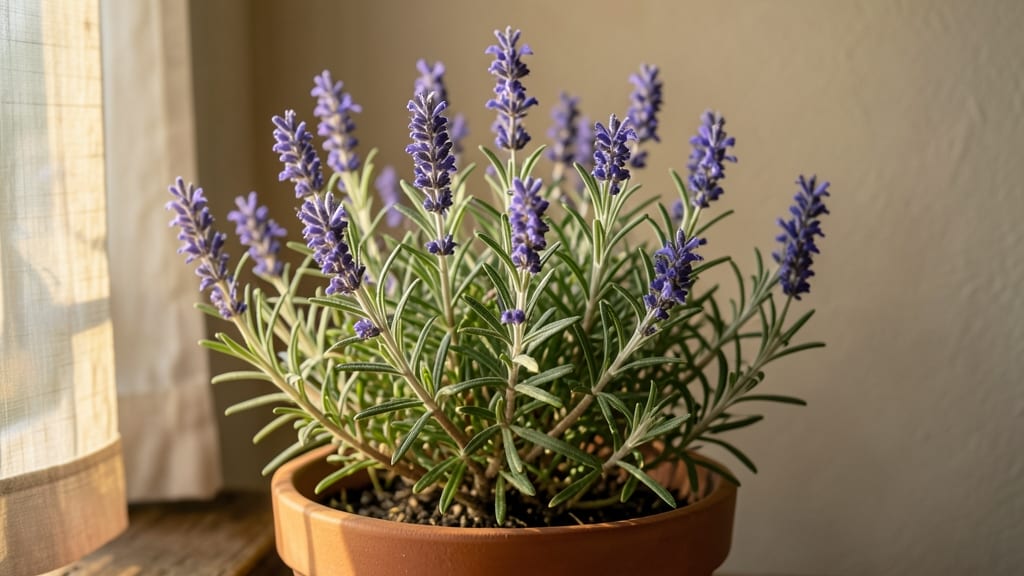
Salvias don't bloom all summer continuously—most varieties flower in seasonal cycles, peaking from spring through early fall, with occasional reblooming if you remove spent flowers. Different species and climates affect how long and intensely they bloom.
Salvias are seasonal performers, not year-round bloomers. 🌸 Most varieties follow nature's rhythm, responding to temperature shifts and daylight changes that trigger their flowering cycles. For example, Salvia nemorosa typically blooms from late spring to early fall, while Salvia officinalis (culinary sage) may produce flowers intermittently throughout summer.
The key to extending their bloom time lies in understanding these natural patterns and working with them rather than against them.
What many gardeners don't realize is that these plants often enter a brief period of dormancy between bloom cycles. This isn't failure—it's part of their natural growth pattern. The good news?
With proper care, including strategic deadheading and consistent moisture, you can encourage many salvias to produce secondary blooms later in the season. The secret is removing spent flowers promptly to redirect the plant's energy toward new growth rather than seed production.
💡 In This Article
- Salvia Bloom Cycles: How Climate and Variety Affect Summer Flowering
- Deadheading and Care Tips to Extend Salvia Blooms Through Summer
Salvia bloom cycles: how climate and variety affect summer flowering
Salvias follow strict botanical schedules tied to photoperiodism—the plant's response to daylight length. Most varieties bloom when days are long (spring/summer) and enter dormancy as daylight shortens (fall).
For instance, Salvia nemorosa typically flowers from May to September in temperate zones, while Salvia officinalis may produce intermittent blooms throughout summer but focuses energy on seed production in late summer. The key trigger is 14-16 hours of daylight, which stimulates flower production.
Climate plays a huge role in bloom duration. Mediterranean salvias (like Salvia greggii) thrive in hot, dry summers and bloom continuously if deadheaded, while northern varieties (USDA zones 4-6) may have 2-3 week breaks between bloom cycles due to temperature fluctuations.
Coastal regions often see longer blooming seasons because of milder temperatures—Salvia leucantha in California gardens can flower from June to October compared to May to July in inland areas.
The plant's energy allocation explains why continuous blooming isn't possible. Salvias prioritize either flowers or seeds—when you see brown seed heads, the plant has shifted resources. This is why deadheading (removing spent blooms) works: it tricks the plant into thinking it hasn't produced seeds yet, prompting new flower growth.
Annual salvias like Salvia splendens may bloom all summer because they don't invest in seed production, while perennials cycle between bloom and dormancy phases.
Temperature thresholds also matter. Most salvias need 60-75°F daytime temps to flower optimally—below 55°F or above 85°F can stunt blooms. That's why Salvia nemorosa in hot desert climates might bloom later in summer than in cooler Pacific Northwest gardens.
The plant's internal clock responds to these temperature cues, creating the seasonal patterns we observe.
Here's what happens under the surface: Salvias produce a hormone called florigen in response to daylight length. When days shorten, florigen production drops, signaling the plant to stop flowering. This is why you'll often see a sudden bloom decline in late summer—it's not the plant's fault, but its biological programming.
Understanding this helps explain why some salvias bloom in two distinct waves (early/mid summer) while others have more gradual flowering.
Consider this comparison: Salvia officinalis (culinary sage) typically blooms for 4-6 weeks in early summer, while Salvia nemorosa can flower for 8-10 weeks with proper care.
The difference lies in their native habitats—nemorosa evolved in Mediterranean climates with longer growing seasons, while officinalis comes from temperate regions with shorter bloom windows. 🌿