
Blooming
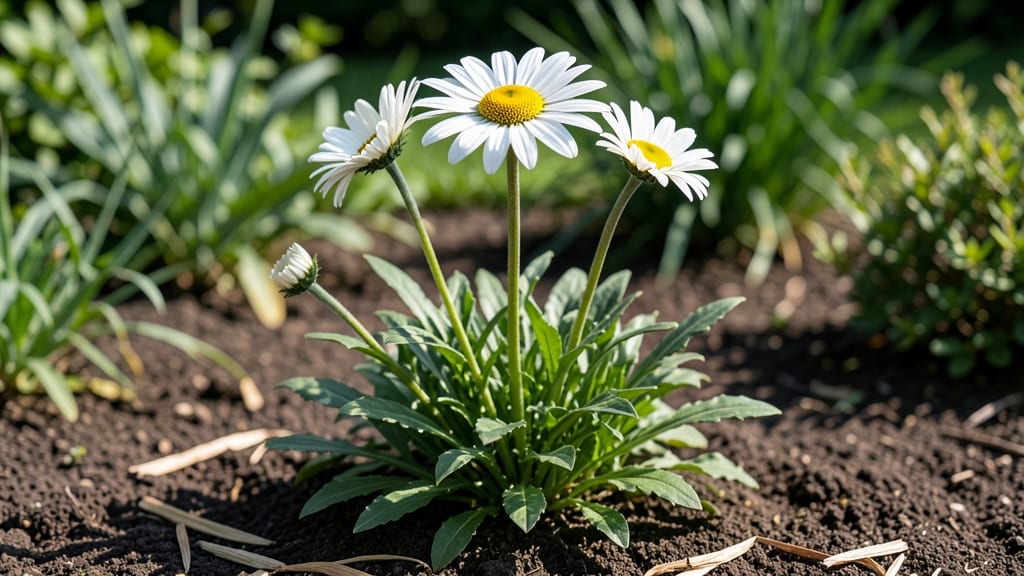
Shasta daisies bloom in mid-to-late summer 🌼, turning gardens into sunlit canvases of white, pink, or red—if you time their planting just right.
Picture this: your summer garden humming with color, but your Shasta daisies arrive late—or worse, never bloom at all. The secret? Knowing when to plant them for your zone and how to coax extra weeks of flowers.
I’ll show you the exact months for popular varieties and how to stretch their show from June to September.
Climate zones shift bloom times dramatically—think July in Zone 5 vs. June in Zone 8. Even a few weeks of cooler spring can delay blooms, while deadheading spent flowers tricks the plant into producing more.
Below, I break down the science behind their schedule and the simple tricks to make your daisies perform all season.
Ready to transform your garden into a blooming paradise? You’ll learn how to adjust for early or late seasons, spot common mistakes that sabotage blooms, and keep your Shasta daisies flowering like they’re on a never-ending summer vacation.
When Shasta daisies bloom: exact months by popular variety
Timing is everything when it comes to Shasta daisy blooms, and knowing the exact bloom months for your specific variety can mean the difference between a few weeks of color or a full summer display.
These classic garden favorites thrive in USDA Zones 5-9, but their bloom periods shift based on your local climate and the variety you’ve chosen.
For gardeners in cooler zones (5-6), expect blooms to start as early as late June, while those in warmer zones (7-9) may see flowers appear by May. The key is understanding how each variety performs in your area—and how to extend their season with simple care tricks.
Here’s the breakdown you’ve been waiting for, including peak bloom months for the most beloved Shasta daisy varieties, along with climate adjustments to fine-tune your garden’s timing.
| Variety | Peak Bloom Months | Climate Notes | Height (ft) |
|---|---|---|---|
| 'Becky' | July–August | Early bloomer; thrives in Zones 5-8 | 2–3 ft |
| 'Alaska' | June–July | Cold-hardy; blooms 2–3 weeks earlier than average | 2–3 ft |
| 'Krasnapolsky' | July–September | Late-season performer; loves heat (Zones 6-9) | 3–4 ft |
| 'Gay Meg' | July–August | Pink blooms; ideal for Zones 5-7 | 2–3 ft |
| 'White Lady' | June–August | Dwarf variety; blooms 1–2 weeks earlier than standard types | 1–2 ft |
If you’re in Zone 5 or colder, varieties like 'Alaska' are your best bet for early summer blooms, often starting as soon as late June. Meanwhile, gardeners in Zones 8-9 can expect 'Krasnapolsky' to reward them with late-season color through September.
Pro tip: Deadhead spent blooms every 2–3 days to encourage continuous flowering. This simple trick can extend your Shasta daisy season by 3–4 weeks, giving you nonstop summer color.
For early bloomers, plant 'Becky' or 'White Lady' in full sun and fertilize lightly with a balanced 10-10-10 mix in early spring. For late-season varieties, prioritize well-draining soil and consistent moisture to keep them thriving until frost.
One common mistake? Assuming all Shasta daisies bloom at the same time. In reality, staggered planting can create a sequential display—plant 'Alaska' in early spring, then 'Krasnapolsky' a month later for a longer-lasting show.
Remember, climate adjustments are key. In southern climates, blooms may start 2–3 weeks earlier, while northern gardens might see delays until mid-July. Always check your last frost date and adjust planting times accordingly.
With the right variety selection and care routine, your Shasta daisies can transform your garden into a cheerful summer paradise—just in time for your peak bloom months! 🌼
How to adjust bloom time for early or late seasons
Want your Shasta daisies to bloom earlier or extend their flowering season? Adjusting bloom time is easier than you think! The key lies in understanding how light exposure, soil conditions, and planting strategies influence flowering.
By making a few simple tweaks, you can enjoy vibrant blooms from late spring through early fall.
For earlier blooms, focus on cold stratification and staggered planting. These methods trick your plants into thinking winter has passed, prompting faster growth and earlier flowers. Meanwhile, fertilizer timing and pruning techniques can prolong blooming, ensuring your garden stays colorful for weeks longer.
- 🌱 Cold Stratification: Chill seeds for 4-6 weeks in moist peat moss at 35-40°F to mimic winter, forcing faster spring growth.
- ✂️ Staggered Planting: Plant new batches every 2-3 weeks to ensure continuous blooms from June to September.
- 💧 Fertilizer Triggers: Apply a balanced 10-10-10 fertilizer in early spring and again in mid-summer to boost flowering.
- ☀️ Pruning Tips: Deadhead spent blooms weekly and trim back 1/3 of the plant after first frost to encourage new growth.
- 🌿 Light Exposure: Move potted daisies to sunnier spots in late summer to extend blooming into fall.
Start with cold stratification if you’re aiming for an earlier show. Place seeds in a sealed plastic bag with damp paper towels and refrigerate for 4-6 weeks before planting.
This mimics the natural winter chill period, prompting faster germination and growth once temperatures rise. For late-season blooms, focus on pruning and fertilizer applications.
After the first frost, trim back your Shasta daisies by one-third to remove damaged foliage and encourage new growth. Apply a light fertilizer in early spring and again in mid-summer to support continuous blooming. This two-step approach ensures your daisies stay vibrant well into fall, even as temperatures drop.
Don’t forget to deadhead regularly—removing spent blooms redirects energy to new flowers, extending the season by weeks. For container-grown daisies, move them to a south-facing location in late summer to maximize sunlight exposure, which can delay the onset of dormancy.
With these techniques, you’ll transform your garden into a nonstop bloom machine, enjoying cheerful daisies from early summer through crisp autumn days. The secret? A little planning and timely care go a long way! 🌼