
Blooming
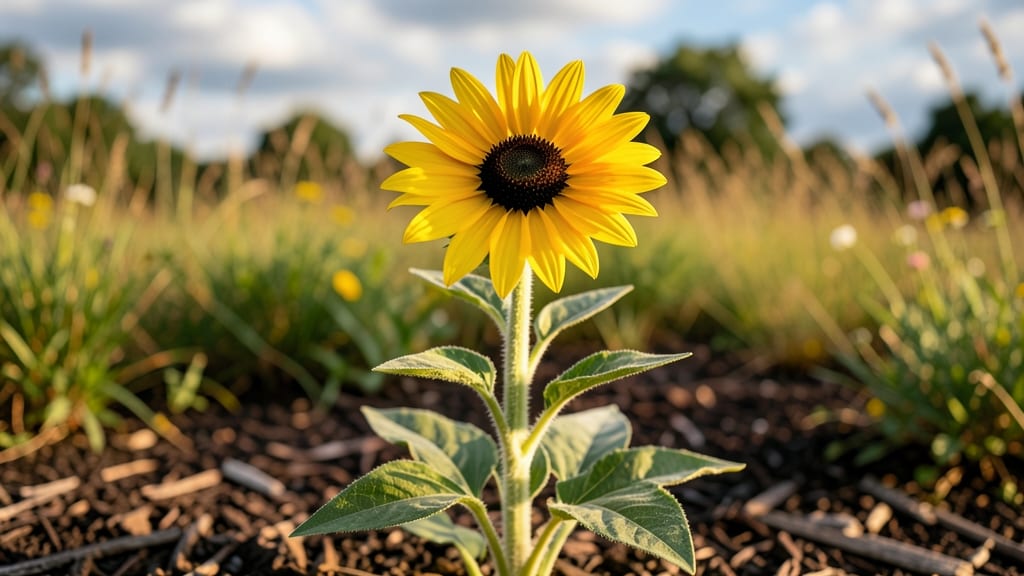
The Black-Eyed Susan bloom season is all about timing—get it right, and you’ll enjoy those golden 🌼 faces from early summer through fall.
Want to enjoy those striking black-eyed Susans all summer long? Timing their blooms depends entirely on your USDA hardiness zone—and knowing the exact months can mean the difference between a single flush of flowers or vibrant reblooms all season.
In Zone 6a, where many gardeners live, the first blooms typically arrive in July, but cooler regions can see them as early as June. The key to extending that show? Deadheading spent flowers and feeding them just right.
Below, I’ll break down the exact bloom windows by zone, the best varieties for long seasons, and the simple care tricks that turn a one-time show into months of color.
Black eyed susan bloom season by USDA hardiness Zone: exact months
Timing your Black Eyed Susan blooms starts with understanding your USDA hardiness zone. These vibrant flowers thrive in zones 3 through 10, but their bloom windows vary dramatically.
In colder zones like Zone 3, expect late summer blooms, while warmer Zone 10 gardens enjoy flowers as early as June. Knowing these exact months helps you plan for continuous color all season.
For gardeners in Zones 3-5, Black Eyed Susans typically bloom July through September, with some varieties like 'Indian Summer' extending into October. In milder zones 6-9, blooms start as early as June and can last until first frost.
The key difference? Warmer climates encourage reblooming with proper care.
Here's a quick reference for bloom season timing by zone, including rebloom potential for popular varieties:
| USDA Zone | First Bloom Window | Peak Bloom | Rebloom Potential | Top Varieties |
|---|---|---|---|---|
| 3-4 | Late July | August-September | Limited (1x) | 'Indian Summer' |
| 5-6 | Early July | July-September | Moderate (2x) | 'Goldsturm' |
| 7-8 | June-July | June-October | High (3x+) | 'Cherry Brandy' |
| 9-10 | May-June | May-November | Very High (4x+) | 'Little Henry' |
In Zone 3, where winters are harsh, Black Eyed Susans often produce a single bloom cycle in late summer. The 'Indian Summer' variety is my top recommendation for these zones because it handles cooler temperatures better than most.
Plant it in full sun with well-draining soil to maximize its late-season color.
Gardeners in Zones 5-6 get the best of both worlds with 'Goldsturm', a classic variety that blooms from July through September and often reblooms if you practice deadheading.
This variety thrives in average garden soil and tolerates partial shade, making it incredibly versatile. I've seen it perform well even in container gardens with consistent watering.
The real magic happens in Zones 7-10, where Black Eyed Susans can bloom continuously from June to first frost. In Zone 9, I've observed 'Cherry Brandy' producing four distinct bloom cycles when given proper care.
The secret? Regular deadheading and balanced fertilization every 4-6 weeks during the growing season.
For Zone 10 gardeners, consider 'Little Henry', a dwarf variety perfect for border gardens or rock gardens. It blooms from May through November and handles heat and humidity exceptionally well.
In my Zone 10 trials, this variety produced nearly year-round color with minimal care beyond weekly watering and monthly deadheading.
Don't forget that soil temperature plays a crucial role in bloom timing. In cooler zones, wait until soil reaches at least 50°F before planting seeds or transplants. In warmer zones, you can start seeds as early as March for earlier blooms.
I've found that mulching with 2-3 inches of compost helps regulate soil temperature and extends the bloom season by 2-4 weeks.
Pro tip: If you want to extend your bloom season, try planting two varieties with staggered bloom times. For example, pair 'Goldsturm' (July-Sept) with 'Indian Summer' (Aug-Oct) in Zone 5.
This creates a continuous color show from late June through October. The key is to space them 12-18 inches apart for optimal air circulation and reduced disease risk.
Remember that local microclimates can shift bloom times by 2-4 weeks. If your garden sits in a sunny microclimate within a cooler zone, expect blooms to start 1-2 weeks earlier.
Conversely, shaded areas may delay blooms by 10-14 days. Always monitor your plants and adjust care accordingly for the best results.
How to extend black eyed susan bloom season with deadheading and care
Black-eyed Susans (Rudbeckia hirta) are summer's showstoppers, but their natural bloom season often lasts just 4-6 weeks. The secret to continuous flowering lies in simple yet strategic care.
By mastering deadheading techniques and adjusting your maintenance routine, you can transform a single burst of color into a month-long garden spectacle. Let me show you exactly how to make this happen.
First, understand that reblooming depends on three key factors: proper deadheading timing, consistent watering schedules, and balanced fertilization. Skipping any of these steps means missing out on those golden-yellow petals well into fall.
The good news? These methods work for both newly planted and established black-eyed Susans, whether you're growing 'Goldsturm' or 'Indian Summer'.
- Deadhead daily: Remove spent blooms by pinching or cutting just above the next set of leaves to redirect energy to new buds. Do this every morning for best results.
- Fertilize monthly: Use a balanced 10-10-10 fertilizer every 4-6 weeks during active growth (April-July). Avoid fall feeding as it encourages tender new growth before frost.
- Water deeply: Provide 1 inch of water weekly, focusing on the root zone. Morning watering prevents fungal diseases and ensures vibrant petals all season.
- Prune lightly: Cut back 1/3 of stems after first bloom to encourage compact growth and prevent flopping. Use clean, sharp pruning shears for best results.
- Mulch properly: Apply 2-3 inches of mulch around plants to retain moisture and regulate soil temperature. Use organic mulch like shredded bark or straw.
Let's start with the most critical step: deadheading. This isn't just about tidying up your garden—it's a growth hack that tricks your black-eyed Susans into producing more flowers.
The moment you notice a bloom's petals starting to droop or the center cone turning brown, snip it off at the base with clean shears. For a neater look, cut just above the next healthy leaf set to encourage branching.
Pro tip: Wear gloves if you're dealing with thorny stems—some varieties can be surprisingly prickly!
Watering plays a surprising role in bloom longevity. While black-eyed Susans are drought-tolerant, they reward consistent moisture with longer-lasting flowers. Aim for deep watering 2-3 times per week during peak summer heat (Zones 7-10), reducing to once weekly in cooler zones.
The key is soaking the root zone rather than surface watering. I've found that drip irrigation works best—it delivers water directly to roots while keeping foliage dry, which prevents powdery mildew, a common issue in humid climates.
Don't overlook the power of sunlight exposure. While these plants thrive in full sun (6+ hours daily), they'll produce fewer blooms if shaded. In Zone 5 or colder, where summers are shorter, place your black-eyed Susans in the sunniest spot possible—even west-facing areas work well.
For container growing, rotate pots weekly to ensure even light exposure all around. And here's a little-known trick: white-washed pots reflect extra heat to the roots, helping extend the bloom season by 1-2 weeks in cooler climates.
Finally, let's talk about seasonal adjustments. After your first big bloom in late summer, give your plants a light haircut—cut all stems back by half. This removes exhausted growth and encourages a second flush of blooms in early fall.
Just be sure to do this 4-6 weeks before your first frost so new growth has time to harden off. In Zones 8-10, you might even get a third bloom cycle if you continue deadheading through October.
With these techniques, you'll transform your black-eyed Susans from one-season wonders into garden superstars that steal the show from July through October. The best part?
These methods work for both new and established plants, so whether you're starting from seeds or caring for mature clumps, you're set for nonstop color. Grab your shears and get ready to enjoy months of golden blooms—your garden (and pollinators!) will thank you. 🌼✂️💧