
Blooming
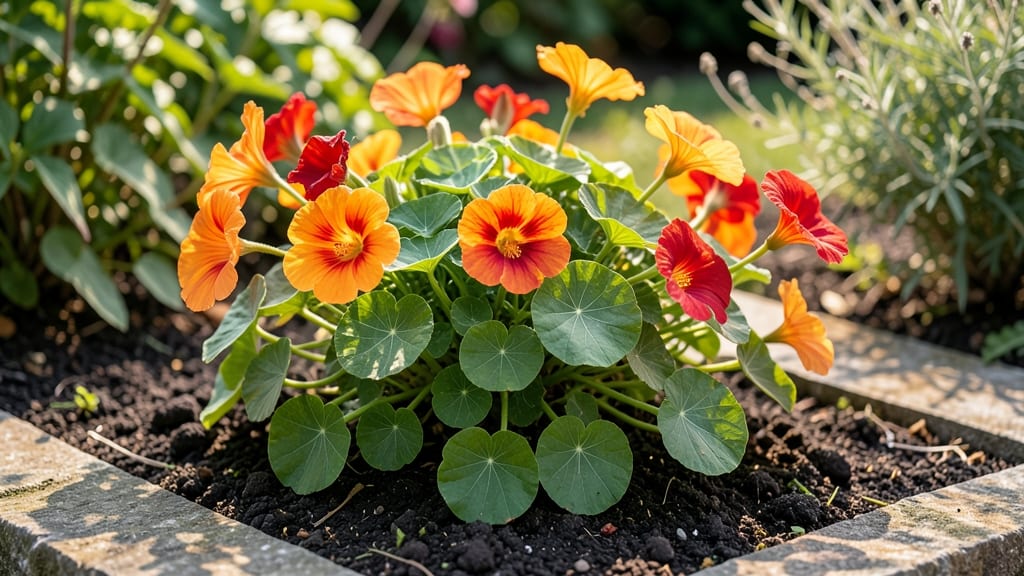
The nasturtium bloom time spans from early summer through fall 🌸, turning gardens into a riot of color if you know how to coax them along.
If you love vibrant summer blooms that last well into fall, nasturtiums are your secret weapon—but only if you master their bloom cycles. These edible flowers thrive on deadheading, transforming a single-season splash of color into a months-long garden showstopper.
In USDA Zone 6a, planting nasturtiums in April or May ensures they’ll burst into flowers by June, with some varieties continuing until frost. The key? Regular deadheading and a little extra care to keep them blooming longer than most annuals.
Below, I’ll share the exact timing for your region, how to encourage nonstop blooms, and the simple tricks that turn a short-lived summer display into a season-long spectacle.
Understanding nasturtium bloom time: seasonal patterns and varieties
Nasturtiums burst into color from early summer to frost, but their bloom timing depends heavily on variety and climate.
Most gardeners plant annual nasturtiums in spring, expecting vibrant blooms by June or July, while perennial varieties may take longer to establish but reward you with longer bloom seasons. Understanding these patterns lets you plan for continuous color all season long.
In northern climates (USDA Zones 3-6), nasturtiums typically bloom from mid-June to October, while southern regions (Zones 7-10) enjoy blooms from April to November.
The key difference lies in frost timing—northern gardeners must act fast to extend the season, while southern gardeners can push blooms into cooler months.
🌸 Nasturtium Bloom Time Summary
| Variety Type | Bloom Start | Peak Bloom | Bloom End | Notes |
|---|---|---|---|---|
| Annual (e.g., 'Alaska', 'Jewel Mix') | June (Zone 6) | July-August | First frost | Fastest bloomers; ideal for containers |
| Trailing (e.g., 'Black Velvet') | May-June | June-September | Frost or heat stress | Longest bloom season; needs support |
| Perennial (e.g., 'Mayflower') | Late spring | Summer | Fall | Slower to establish; repeat bloomer |
| Dwarf (e.g., 'Tom Thumb') | June | July-September | First frost | Compact; great for borders |
For continuous blooms, plant a mix of early, mid, and late varieties. Start with trailing types like 'Black Velvet' for early color, followed by bush varieties like 'Alaska' for mid-season, and finish with dwarf types like 'Tom Thumb' to extend the show until frost.
This staggered approach ensures nonstop blooms from June to October in most climates.
In cooler northern climates, aim to plant 4-6 weeks before your last frost date (typically April-May). Seeds germinate in 7-14 days when soil reaches 60°F (15°C), so don't rush—wait for stable warmth to avoid stunted growth.
Southern gardeners can start as early as February for earlier blooms, but protect seedlings from late frosts.
Climate plays a critical role in nasturtium bloom timing. In Zone 5 or colder, expect blooms to start 2-3 weeks later than in Zone 7 due to cooler spring temperatures.
To compensate, choose heat-tolerant varieties like 'Empress of India' or 'Mourheat', which handle hotter summers better than delicate types.
Light exposure directly impacts bloom intensity. Nasturtiums thrive in full sun (6+ hours daily), but they'll still bloom in partial shade (4-6 hours), though with fewer flowers. If your garden is shady, opt for trailing varieties—they produce more blooms in lower light than bush types.
For maximum impact, place them where they'll get morning sun and afternoon shade.
Soil quality affects bloom duration too. Nasturtiums prefer well-draining, slightly acidic soil (pH 5.5-6.5). If your soil is heavy or alkaline, amend it with compost or peat moss to encourage longer, healthier blooms.
Overly rich soil leads to leafy growth at the expense of flowers, so avoid heavy fertilizing—these plants prefer lean conditions.
To push blooms later into the season, deadhead regularly (remove spent flowers) and prune leggy stems to encourage bushier growth. In Zone 8 and warmer, you can even overwinter perennial nasturtiums by mul
How to deadhead nasturtiums for extended blooming: step-by-step guide
Deadheading nasturtiums isn't just about tidying up your garden—it's the secret to unlocking months-long blooms. When you remove spent flowers, you redirect the plant's energy from seed production to producing more vibrant blooms. My nasturtiums now flower from June through October because of this simple technique.
Timing is everything. Start deadheading once you see the first blooms open fully—typically 4-6 weeks after planting. If you wait until flowers wilt, you'll miss the chance to prolong their showy display. I've learned that consistent deadheading every 3-5 days keeps my nasturtiums looking fresh.
🌸 Step-by-Step Deadheading Guide
- Step 1: Wait for full bloom – Only deadhead flowers that are fully open and starting to fade. Use your thumb to gently pinch off the entire flower head at the base.
- Step 2: Use clean tools – Grab pruning shears or your fingers (if flowers are small). Sterilize tools with rubbing alcohol to prevent disease spread between plants.
- Step 3: Cut at the node – Snip or pinch just above a leaf node (the point where leaves grow). This encourages new side shoots and bushier growth.
- Step 4: Check for pests – While deadheading, inspect leaves and stems for aphids or powdery mildew. Treat immediately if found to avoid bloom interruptions.
- Step 5: Repeat regularly – Deadhead every 3-5 days during peak bloom (June-August). Reduce to once a week in early fall when growth slows.
One of my biggest mistakes was over-pruning—cutting too aggressively and leaving bare stems. Nasturtiums are resilient but need at least 3-4 leaves per stem to support new blooms. Now, I only remove spent flowers and avoid trimming healthy foliage.
For bushier growth, focus on encouraging lateral shoots. When you deadhead, always cut above a leaf node (where leaves attach to the stem). This signals the plant to branch out instead of growing taller. My trailing varieties now spill over containers beautifully!
Don't forget to water thoroughly after deadheading. The plant needs energy to recover and produce new blooms. I water deeply in the morning to reduce stress and prevent fungal issues. A mulch layer also helps retain moisture and keeps roots cool.
With these steps, your nasturtiums will reward you with continuous color from summer through fall. The key is consistency—don't skip deadheading, even when blooms seem endless. Your garden will thank you with bold, healthy flowers all season! 🌿