
Blooming
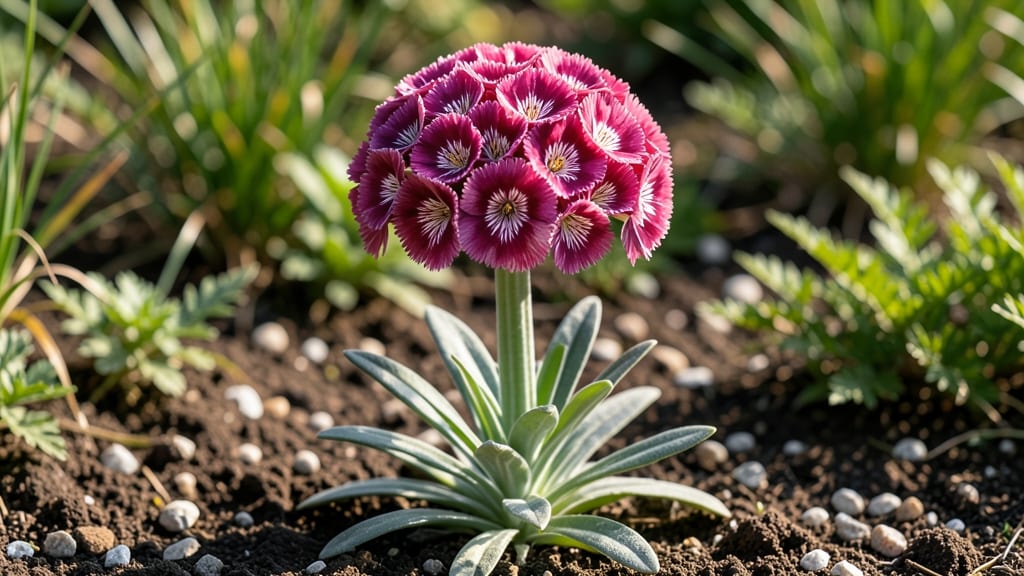
The Sweet William bloom time 🌸 peaks in late spring to early summer, turning your garden into a burst of color—but only if you play by its rules.
Picture this: You’ve waited all season, and suddenly those vibrant clusters appear, only to fade faster than you’d like. The secret? Knowing exactly when to prune and deadhead to stretch their show from May through July.
Climate, variety, and even your pruning habits can shift bloom timing by weeks. In USDA Zone 6a, most Sweet Williams start blooming in June, but cooler regions or late plantings might delay them until July.
In this guide, I’ll break down the month-by-month bloom cycle, share pruning tricks to keep flowers coming, and reveal the best companion plants to pair with your Sweet Williams for a nonstop seasonal display.
Sweet William bloom time by month: when to expect peak flowers
Sweet Williams (Dianthus barbatus) are a gardener's delight with their fragrant, clustered blooms in shades of pink, red, and white. But their bloom time varies dramatically by variety, climate zone, and even planting season.
Spring varieties typically bloom from late May to July, while fall-planted types may flower as late as September or October. Understanding these patterns helps you plan for continuous color and maximize your garden's appeal.
In most regions, spring-planted Sweet Williams begin showing buds in late April to early May, with peak blooming occurring in June and early July.
However, cooler climates like USDA Zones 3-5 may see delayed blooming until mid-June, while warmer zones like Zones 7-9 could enjoy earlier flowers as soon as late May. Fall varieties, planted in late summer, often bloom from September through October, extending your seasonal display.
Here’s how to predict bloom times based on your planting strategy and location:
| Month | Spring Varieties | Fall Varieties | Climate Notes |
|---|---|---|---|
| April | Bud formation begins | Planting time for fall blooms | Warmer zones see earlier buds |
| May | Peak buds; first blooms | Establishment phase | Cooler zones delay blooming |
| June | Full bloom; vibrant clusters | Bud formation begins | Deadhead for extended blooms |
| July | Late blooms; decline begins | Peak buds; first blooms | Prune for fall rebloom |
| August | Post-bloom care | Full bloom; vibrant clusters | Prepare for fall planting |
| September | Dormancy begins | Late blooms; decline begins | Cooler zones enjoy extended blooms |
| October | Frost sensitivity | Post-bloom care | Harvest seeds for next year |
If you’re growing early-blooming varieties like 'Black Prince' or 'White Queen', expect flowers as soon as late May, especially in southern climates. Mid-season bloomers like 'Red Riding Hood' peak in June and July, while late-season types such as 'Pink Beauty' may linger into early August in cooler regions.
For fall blooms, varieties like 'Matrix' planted in late summer will reward you with September and October color.
Climate plays a huge role in bloom timing. In hotter, drier regions, Sweet Williams may bloom earlier but produce fewer flowers due to heat stress. Conversely, cooler, wetter climates like the Pacific Northwest can delay blooming until mid-to-late June but often result in longer-lasting flowers.
If you notice buds forming but not opening, it could signal underwatering or poor soil drainage, both of which can shorten the bloom season.
To encourage continuous blooming, focus on consistent watering and regular deadheading. Remove spent blooms every 7-10 days to redirect energy to new flowers.
In USDA Zones 5-7, a light spring fertilizer with a 5-10-10 NPK ratio can boost flowering, while over-fertilizing in summer may lead to lush foliage but fewer blooms. Always pair care with seasonal planting—spring for summer blooms, fall for autumn color.
For gardeners in Zone 8 and above, Sweet Williams may even produce a second bloom cycle in fall if given proper care. Start by planting fall varieties in August, then deadhead aggressively through September to encourage late-season flowers.
In Zone 4 or colder, treat Sweet Williams as annuals and replant each spring for reliable blooms.
Pair Sweet Williams with complementary plants to extend your garden's seasonal interest. Try sweet alyssum for early spring color or salvia for late-summer blooms. Their fragrant foliage and clustering habit make them perfect for borders, containers, and cut flower arrangements.
With the right timing and care, you can enjoy Sweet Williams from late spring to early fall—or even longer in ideal conditions!
🌸
How to prune Sweet Williams to extend bloom time: step-by-step guide
Sweet Williams (Dianthus barbatus) reward gardeners with clusters of fragrant blooms that seem too good to be temporary. But with the right pruning techniques, you can turn their 6-8 week bloom cycle into a season-long display.
The key? Timing and precision—cut too early or too late, and you’ll stunt new growth or miss the chance for reblooming.
Annual varieties typically bloom from late spring to early summer, while perennial types may rebloom in fall with proper care. Whether you’re growing dwarf varieties (8–12 inches) or standard types (1.5–2 feet), the same principles apply: deadhead spent blooms, prune strategically, and avoid over-trimming foliage.
Let’s break it down into actionable steps to keep your Sweet Williams flourishing longer.
Step-by-Step Pruning for Extended Blooms
-
Step 1: Deadhead Daily
Remove faded blooms as soon as they wilt. Use clean, sharp pruners or pinch stems with fingers. This redirects energy to new flower buds instead of seed production. -
Step 2: Prune After First Bloom
Once the main bloom cycle (late spring) fades, cut back 1/3 of the plant height with sterilized shears. Avoid cutting into old wood—focus on leggy stems. -
Step 3: Fertilize Lightly
After pruning, apply a balanced fertilizer (5-10-10) to encourage reblooming. Perennials may produce a fall flush with this boost. -
Step 4: Mulch for Moisture
Add 2–3 inches of mulch to retain soil moisture and suppress weeds. Sweet Williams prefer well-draining soil but benefit from consistent hydration. -
Step 5: Watch for Rebloom Cues
Look for new buds forming at stem bases in late summer. If you see green growth, withhold pruning until blooms appear.
Timing is everything when pruning Sweet Williams. If you prune too early, you’ll remove buds that haven’t opened yet. Wait until 70% of blooms have faded before cutting back.
For perennial varieties, a light trim in early fall can tidy up the plant while allowing it to harden off for winter.
Don’t forget to sterilize your pruners between cuts to prevent disease spread. A quick wipe with rubbing alcohol keeps your tools ready for the next garden task.
And if your Sweet Williams start looking leggy or sparse, a light feed of phosphorus-rich fertilizer can encourage root and bloom development.
With these steps, your Sweet Williams will reward you with weeks of extra color, turning a 6-week show into a 3-month spectacle. Happy pruning—and enjoy the fragrance! 🌸