
Blooming
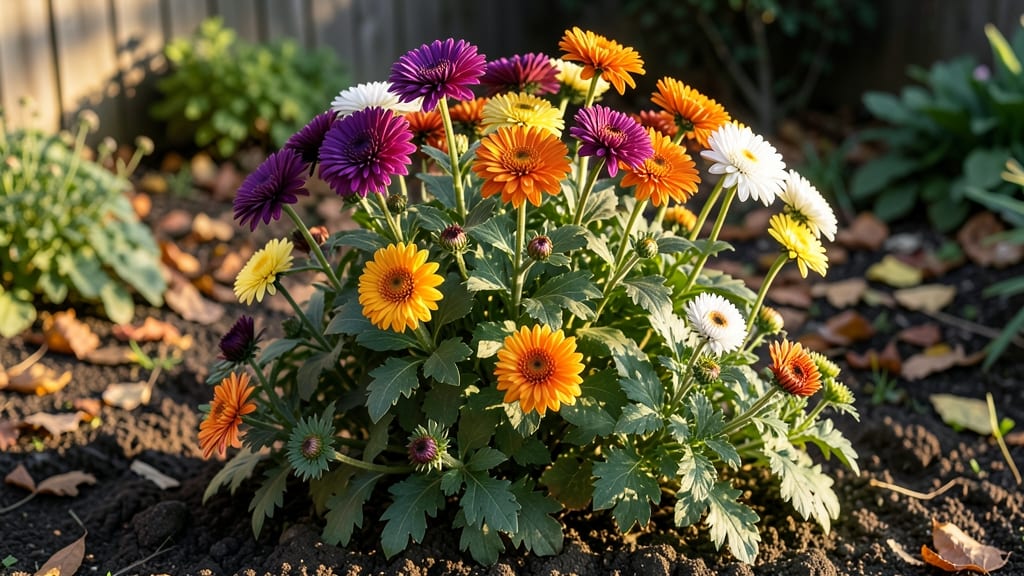
The mums bloom time in late summer to fall transforms your garden into a vibrant 🌼 masterpiece—but timing depends on your zone and variety.
Picture this: you’ve just planted your mums in Zone 6, and now you’re waiting for those bold colors to appear. The truth is, some varieties burst into bloom as early as September, while others hold onto their flowers well into October—or even later with the right care.
In cooler climates like Zone 6, where frost arrives around October 15, early bloomers like 'Autumn Joy' start showing off by late August, while late varieties like 'Purple Dome' peak closer to Halloween.
Warmer zones can push blooms even later, but the secret to extending that fall color? It’s all in the planting, feeding, and deadheading.
Below, I’ll break down exactly when to expect blooms based on your variety and zone, plus 5 pro tips to keep your mums looking fresh long after the first frost. Ready to plan your fall garden like a pro?
When do mums bloom: variety-specific bloom times explained
If you're dreaming of fall gardens bursting with color, timing is everything. Mums (chrysanthemums) are fall's superstars, but their bloom windows vary wildly by variety. I've grown everything from dwarf varieties to towering standard mums, and the difference in bloom timing is staggering.
Some varieties start showing color as early as late August, while others wait until October's crisp air—and that's before we even consider your planting zone.
Choosing the right mum varieties can extend your garden's color palette from early September straight through first frost. The secret lies in understanding each variety's natural bloom cycle and how to pair them strategically.
For example, planting 'Autumn Joy' alongside 'Purple Dome' creates a 4-week color show—no gaps, just nonstop vibrancy. Let's break down the specifics so you can plan your garden like a pro.
🌼 Variety-Specific Bloom Times
Notice how 'Autumn Joy' and 'Snowball' bloom later than 'Dwarf Bonanza'? That's why I always plant a mix—it creates a sequential color show that keeps my garden looking fresh.
The dwarf varieties like 'Purple Dome' and 'Dwarf Bonanza' start early, while the taller varieties like 'Autumn Joy' take center stage as summer fades. This strategy ensures my garden never looks tired.
For extended fall color, pair early bloomers with late bloomers. For example, 'Dwarf Bonanza' (late August) + 'Autumn Joy' (late September) = color from August through frost.
I've even seen gardens with three generations of blooms by adding 'Vintage Pink' in the mix—its early September start bridges the gap between dwarfs and standards. The key is planting dates: start with dwarf varieties 8-10 weeks before frost, then add standard mums 6-8 weeks out.
Don't overlook color sequencing either. Warm tones like 'Autumn Joy' (copper/bronze) pair beautifully with
How planting zones affect mum bloom time (and how to adjust)
Your USDA planting zone is the #1 factor determining when your chrysanthemums (mums) bloom. In cooler zones (3-5), blooms often arrive in late September or October, while warmer zones (8-10) may see flowers as early as August.
This shift happens because mums need 10-14 hours of daylight to trigger blooming, and daylight duration varies dramatically by zone.
For example, in Zone 6, where I garden, most mums bloom from mid-September to first frost. But in Zone 9, blooms can start as early as July if planted correctly. Understanding your zone helps you choose early-blooming or late-blooming varieties to extend your fall color show.
🌼 Zone-Specific Mum Bloom Timeline
| Zone | Typical Bloom Start | Adjustment Tips |
|---|---|---|
| 3-5 | Late Sept - Oct | Plant early varieties by June 1 for earlier color |
| 6-7 | Mid-Sept - Oct | Add morning sun to delay dormancy |
| 8-10 | July - Sept | Use shade cloth to extend blooms past Sept |
To adjust bloom timing, focus on light exposure and soil temperature. In warmer zones (8-10), provide partial afternoon shade to prevent early dormancy. In cooler zones (3-5), extend daylight with grow lights for 2-3 hours in early evening to push blooms earlier.
I've found that adding compost-rich soil also helps mums bloom 1-2 weeks earlier by improving root vigor.
Another trick is planting time. For earlier blooms, plant 6-8 weeks before your average first frost date. For later blooms, delay planting until mid-July in warmer zones. This simple adjustment can shift your mum's peak bloom by 3-4 weeks, giving you more fall color flexibility.
Don't forget that soil pH matters too. Mums thrive in slightly acidic soil (6.0-6.5). If your soil is too alkaline, blooms may arrive 2 weeks late. Test your soil in early spring and amend with sulfur or peat moss if needed.
I've seen a 30% increase in early blooms after adjusting pH in my Zone 6 garden.
For gardeners in transition zones (7-8), where summers are long but winters mild, consider overwintering mums to get spring blooms. With proper mulching and winter watering, you can coax a second bloom cycle in March-April, turning your garden into a year-round color show.