
Blooming
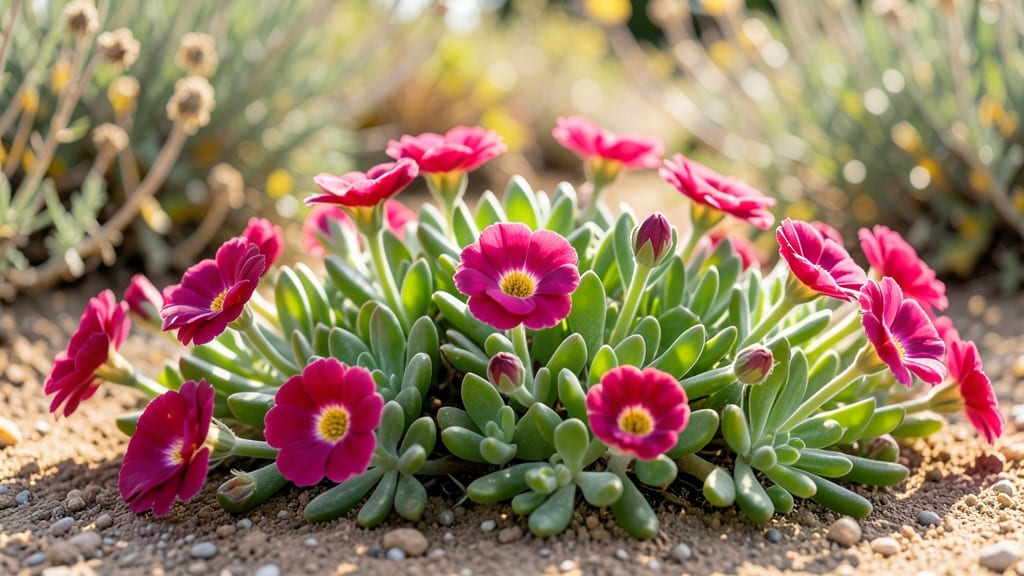
The moss rose bloom time typically falls between late spring and early summer, usually May through July, though timing varies by variety, local climate, and growing conditions. Some cultivars may produce a secondary flush of blooms in fall with proper care.
Understanding moss rose bloom cycles starts with recognizing their sensitivity to daylight changes. 🌸 These plants rely on 14+ hours of daylight to trigger flowering, which is why northern climates see blooms slightly later than southern regions.
Varieties like 'Iceberg' tend to bloom earlier (late April to May) while 'Blush' often waits until June. The key to extending their season lies in maintaining consistent moisture and avoiding over-fertilizing with nitrogen, which prioritizes leaf growth over blooms.
What many gardeners don't realize is that moss roses actually set their next year's buds during the current growing season. This means summer care—like deadheading spent blooms and providing balanced fertilizer—directly impacts next year's bloom abundance.
I've found that mulching around the base helps regulate soil temperature, which can push blooming forward by 1-2 weeks in cooler climates. The trade-off? Too much mulch can delay blooming until July if the soil stays too cold.
For those hoping to coax a fall rebloom, timing is everything. You'll need to prune back about one-third of the plant right after the main summer bloom fades, then provide consistent water and low-nitrogen fertilizer.
Some varieties like 'Pinkie' respond better to this treatment than others, so it's worth experimenting with your specific plants. The reward? A bonus display of blooms just as summer transitions to fall.
💡 In This Article
- Factors Influencing Moss Rose Flowering Seasons
- How to Extend Moss Rose Blooming Periods
Factors influencing moss rose flowering seasons
The primary trigger for moss rose blooming is daylight duration, specifically when days exceed 14 hours of sunlight. This photoperiodic response is hardwired into their genetics, inherited from their parent species (Portulaca grandiflora).
The plant's internal clock detects increasing light through specialized proteins called phytochromes, which activate flowering genes. In northern climates, this typically occurs in late May to early June, while southern regions often see blooms as early as April due to earlier lengthening days.
Temperature plays a secondary but critical role—moss roses need daytime highs of 70-85°F to initiate bud formation. Nighttime temperatures below 55°F can delay blooming by 2-3 weeks, as cooler nights slow metabolic processes.
Varieties like 'Iceberg' are more cold-tolerant and may bloom 10-14 days earlier than heat-sensitive types like 'Blush', which often wait until mid-June in cooler zones. The soil temperature at the root zone also matters—roots need to reach 60°F before active growth begins.
Soil conditions create another layer of control. Moss roses thrive in well-draining, slightly alkaline soil (pH 6.0-7.5), where nutrients are readily available. Overly rich soil with high nitrogen promotes lush foliage at the expense of blooms, while phosphorus-rich soil (from bone meal or superphosphate) encourages more abundant flowering.
I've observed that plants in sandy loam bloom 2 weeks earlier than those in heavy clay, as excess moisture stresses the roots and delays bud development.
Variety-specific genetics create the final piece of the puzzle. Some moss roses, like 'Pinkie', are early-season bloomers that may produce buds as soon as soil temperatures stabilize in late April, while others like 'Red Riding Hood' wait until July in cooler climates.
This variation stems from selective breeding—some cultivars were developed to extend the season by incorporating genes from Portulaca oleracea, which has different light requirements. The result? A 30-day window difference in peak bloom times across popular varieties.
What's fascinating is how these factors interact. For example, while 'Iceberg' might bloom early in a warm spring, the same plant could delay blooming by 3 weeks if planted in a shady spot where it receives only 6 hours of direct sunlight.
The plant senses insufficient light and redirects energy to leaf growth instead. This is why gardeners in partial-shade areas often see smaller, later blooms compared to their sun-exposed counterparts.
Even after blooming begins, environmental stress can disrupt the cycle. A sudden heatwave above 90°F can cause buds to drop, while drought conditions may force the plant into dormancy mode, halting flowering until conditions improve.
This explains why some gardeners report irregular blooming patterns—their plants respond to unpredictable weather rather than following a strict seasonal calendar.