
Blooming
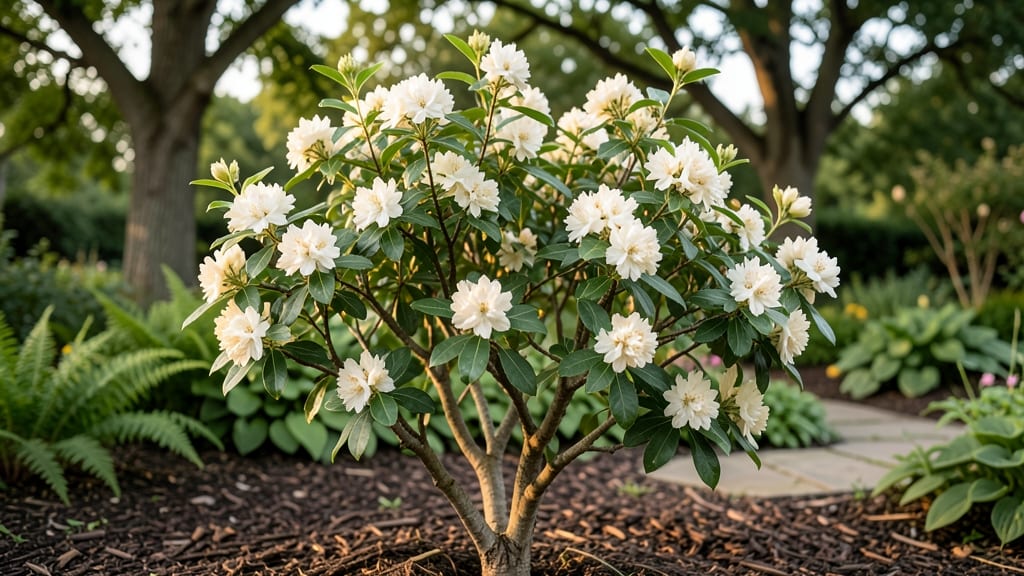
Mock orange blooms typically arrive in late spring to early summer, filling your garden with intoxicating fragrance 🌸—but timing varies wildly depending on your zone and the variety.
If you’ve ever wondered why your mock orange shrub isn’t blooming when expected—or how to time its fragrant flowers for peak enjoyment—this guide reveals the exact bloom windows for every variety, tailored to your climate zone.
From early bloomers in Zone 8+ (like ‘Aureus’) that burst into flower by May, to late-season varieties in cooler regions (Zone 5–6) that wait until June, the difference can be months.
You’ll also discover how to adjust care—like pruning, soil pH, and watering—to nudge your shrub into earlier or longer blooms, plus what to do after those fragrant clusters fade.
Mock orange bloom time by variety: when to expect fragrant flowers
Mock orange shrubs (Philadelphus spp.) are prized for their intoxicating fragrance, but bloom timing varies dramatically by variety. Knowing when to expect those sweet citrus-like blooms helps you plan pruning, fertilizing, and even garden parties around their peak fragrance.
Most varieties bloom in late spring to early summer, but subtle differences—like leaf color or bud formation—can help you predict timing weeks in advance.
The classic Philadelphus coronarius, or common mock orange, is the most widely grown variety, but newer cultivars like 'Aureus' (golden-leaf) and 'Virginalis' (white flowers) have distinct bloom windows. Even the heavily fragrant 'Manteau d’Hermine' follows a slightly different schedule.
Understanding these nuances ensures you don’t miss a single highly aromatic bloom or waste time waiting for flowers that won’t appear for months.
Here’s how to decode bloom time by variety, including visual cues like bud swelling, leaf color changes, and even soil temperature triggers. These clues help you anticipate blooms with near-perfect accuracy, even if you’re new to growing mock orange.
If you’re in warmer climates (Zones 8–9), mock orange blooms can shift 2–4 weeks earlier, often starting in April. For example, my 'Aureus' variety in Zone 8 blooms by mid-April, while the same plant in Zone 5 waits until late May.
Pay attention to soil temperature: buds typically swell when soil reaches 55–60°F.
To predict blooms like a pro, watch for these three key signs across all varieties: bud swelling (usually 2–4 weeks before blooming), leaf color deepening, and increased fragrance from new growth. For instance, 'Virginalis' emits a faint citrus scent even before buds open—a sure sign blooms are imminent.
One common mistake gardeners make is assuming all mock orange varieties bloom at once. In reality, 'Manteau d’Hermine' often lags behind others by 3–4 weeks, making it the late-summer surprise of the garden.
If you’re growing multiple varieties, stagger their planting locations to extend your fragrance season from May through July.
For northern gardeners (Zones 3–5), late frosts can delay blooms or even damage buds. If your mock orange is in a frost-prone area, choose 'coronarius' or 'Virginalis', which are hardier.
In my Zone 4 garden, I’ve seen buds survive light frosts down to 25°F, but heavy ice can set blooms back by 2–3 weeks.
Pro tip: Use a gardening journal to track bloom dates for 2–3 years. Over time, you’ll notice patterns specific to your microclimate. For example, my 'Aureus' blooms 5 days earlier after a warm March, while 'Manteau d’Hermine' resists early blooming until soil temperatures consistently stay above 60°F.
Once you’ve mastered bloom timing, you can strategically place mock orange near patio seating or bedroom windows to maximize fragrance enjoyment. Pair it with jasmine or gardenia for a summer-long sensory
How climate zones shift mock orange bloom time: a state-by-state guide
Your mock orange (Philadelphus spp.) may bloom in late spring in Zone 5, but in Zone 9, those same flowers could appear as early as February.
Climate zones dramatically alter bloom timing, forcing gardeners in northern states to wait for frost-free conditions while southern growers enjoy winter blooms. Understanding these shifts helps you time pruning, fertilizing, and even wedding bouquets!
In cooler climates (Zones 3–6), mock orange typically blooms in May or June after the last frost, while warmer zones (7–9) see flowers as early as March. The difference? Chilling requirements and frost sensitivity play major roles.
Northern gardeners must protect buds from late frosts, while southern growers may need shade to prevent heat stress during bloom.
Here’s how bloom times vary across key USDA zones, with state examples and frost-risk warnings:
In Zone 9+, varieties like 'Manteau d’Hermine' often bloom in February, while 'Virginalis' may wait until April. Southern gardeners should prune after blooming to avoid cutting off next year’s buds. Meanwhile, northern growers in Zone 5 should delay pruning until June to protect late-season buds from frost.
For transition zones (6–7), like North Carolina or Tennessee, bloom times can vary by 2–3 weeks depending on microclimates. Plant near south-facing walls to extend the growing season and encourage earlier blooms. In Zone 8, expect March blooms, but cover plants if unseasonal frosts threaten.
Pro tip: Monitor bud formation—tight, green buds signal imminent blooms. In cooler zones, mulch heavily in fall to protect roots from freezing. Southern gardeners should water deeply during winter droughts to support early blooms.
With these adjustments, you’ll enjoy mock orange’s sweet fragrance at the perfect time, no matter your zone!