
Blooming
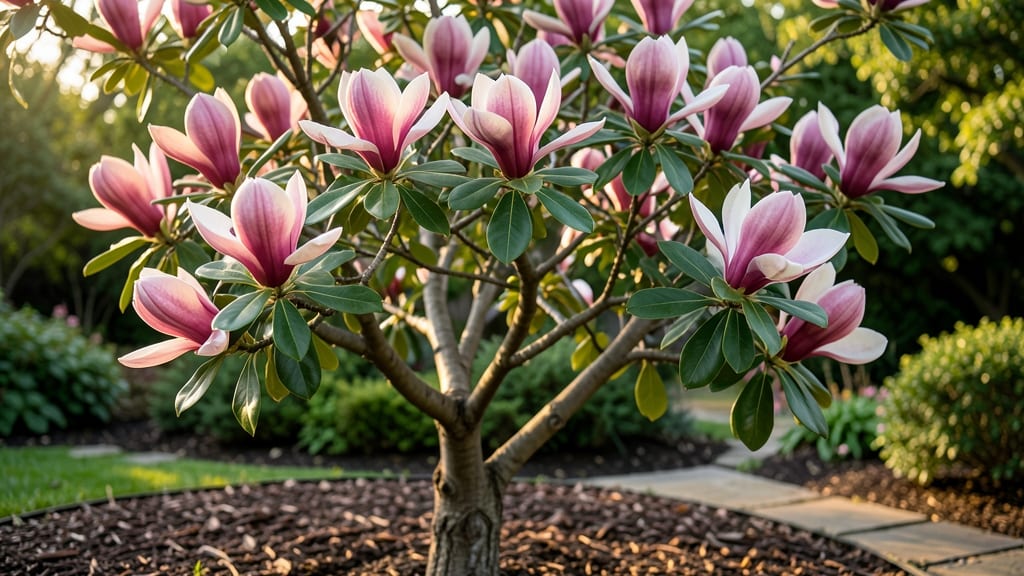
Magnolia bloom time varies wildly by type, from late winter’s first whispers of pink to summer’s boldest bursts of white 🌸 — and getting it right means planning your garden’s grandest show.
Picture this: your star magnolia unfurling its cup-shaped blooms in February while your Southern magnolia waits until April, or your evergreen saucer magnolia lighting up May with its fragrant clusters.
The difference isn’t just about timing—it’s about how you design your landscape, troubleshoot bare branches, and even choose the right variety for your climate zone.
In this guide, you’ll discover exactly when 12+ magnolia species burst into color, how long their blooms last, and the simple care tweaks that turn a single-season flash into year-round interest.
Whether you’re in USDA Zone 6a or beyond, we’ll cover regional shifts, soil secrets, and the one pruning mistake that steals blooms for years.
Ready to turn your yard into a magnolia calendar? Let’s dive into the blooms that steal the show—and how to make them last.
Magnolia bloom time by species: spring vs winter vs year-round varieties
Magnolias are nature’s showstoppers, but their bloom timing varies dramatically by species. Some burst into color in late winter, while others wait for spring warmth. Even evergreen varieties have unique schedules.
Understanding these differences helps you select magnolias that align with your landscape goals—whether you want early winter color or summer-long blooms. Let’s break down the bloom seasons for 12+ popular magnolia types and how USDA zones 4–10 influence their timing.
Most gardeners assume magnolias bloom only in spring, but star magnolias (Magnolia stellata) defy this rule by flowering in February or March, often before leaves emerge. Meanwhile, Southern magnolias (Magnolia grandiflora) wait until April–June in warmer climates.
The key difference? Cold-hardy species bloom earlier to take advantage of winter dormancy, while tender varieties need warmer temperatures to trigger flowers.
Regional microclimates also shift bloom times by 2–4 weeks—so a zone 7 star magnolia might bloom in January, while the same variety in zone 5 waits until March.
Why does bloom timing matter? Early bloomers like star magnolias brighten late winter gardens when few other plants are in bloom. Spring bloomers like saucer magnolias (Magnolia × soulangeana) create a showstopping April display, while evergreen varieties offer year-round foliage with occasional summer blooms. If you’re designing a sequential bloom garden, pairing early, mid, and late-season magnolias ensures color from February through June.
| Magnolia Type | Bloom Season | USDA Zones | Key Notes |
|---|---|---|---|
| Southern Magnolia (Magnolia grandiflora) | April–June | 6–10 | Large, fragrant white blooms; evergreen foliage |
| Star Magnolia (Magnolia stellata) | February–March | 4–8 | Early winter bloomer; pink/white star-shaped flowers |
| Saucer Magnolia (Magnolia × soulangeana) | April–May | 4–9 | Bold purple-pink blooms; deciduous |
| Lily Magnolia (Magnolia liliiflora) | May–June | 5–9 | Tropical-looking cup-shaped flowers; fragrant |
| Sweetbay Magnolia (Magnolia virginiana) | June–July | 5–10 | Fragrant white blooms; thrives in wetlands |
| Cucumbertree Magnolia (Magnolia acuminata) | May–June | 4–8 | Tall-growing; cone-like seed pods |
| Yulan Magnolia (Magnolia denudata) | March–April | 5–9 | Pure white, highly fragrant blooms |
| Bigleaf Magnolia (Magnolia macrophylla) | May–June | 6–9 | Massive saucer-shaped flowers |
| Jane Magnolia (Magnolia 'Jane') | April–May (repeat blooms) | 5–9 | Multi-season bloomer; pink-purple flowers |
| Ann Magnolia (Magnolia 'Ann') | April–May (repeat blooms) | 4–8 | White blooms; cold-hardy repeat bloomer |
| Loebner Magnolia (Magnolia × loebneri) | April–May | 4–8 | Hybrid; disease-resistant; pink-purple blooms |
| Kadansha Magnolia (Magnolia kobus) | April–May | 5–8 | Japanese native; fragrant white blooms |
How long do magnolia flowers last? Lifespan, care tips to extend blooms
Magnolia flowers are fleeting masterpieces, with each bloom lasting anywhere from 3 to 14 days depending on the variety and growing conditions.
The Southern magnolia, for example, typically displays its iconic white blooms for about 5–7 days per cluster, while star magnolias often linger slightly longer at 7–10 days. Understanding these timelines helps you plan your garden’s seasonal highlights and set expectations for your magnolia’s performance.
While individual flowers fade quickly, magnolia trees often produce multiple bloom cycles per season. A healthy ‘Jane’ magnolia, for instance, may rebloom 2–3 times in late spring, while single-bloom varieties like ‘Ann’ focus their energy on one spectacular show.
The key to encouraging repeat blooms lies in proper care—especially watering, sunlight exposure, and pruning—which we’ll explore next.
Pros & Cons of Magnolia Bloom Longevity
- Short but stunning: 3–14 days of vibrant color
- Repeat bloomers: Varieties like ‘Jane’ bloom multiple times
- Fragrance bonus: Many varieties perfume the air for weeks
- Fragile petals: Heavy rain or wind can shorten bloom time
- Single-season focus: Most varieties bloom only once per year
- Pruning risks: Over-pruning can reduce next year’s blooms
Sunlight plays a crucial role in extending bloom life. Magnolias thrive with morning sun and afternoon shade, which prevents petals from wilting prematurely. If your tree sits in full afternoon sun, consider adding a light shade cloth during peak heat hours.
I’ve found that magnolias in partial shade gardens often have blooms that last 2–3 days longer than those in hot, exposed locations.
Watering strategy directly impacts bloom longevity. Deep, infrequent watering (every 7–10 days for mature trees) encourages stronger root systems, while shallow, frequent watering can lead to weak stems and shorter bloom times.
Always water at the base of the tree in the morning to allow petals to dry quickly and reduce fungal risks. During bloom season, I increase watering slightly—about 15–20 gallons per week for young trees—to support the energy demands of flowering.
Pruning is another critical factor. Never prune during bloom season, as this stresses the tree and shortens flower life. Instead, prune immediately after blooming to shape the tree and remove dead wood.
I recommend using clean, sharp pruners and making cuts just above a bud or branch junction. Avoid heavy pruning, which can reduce next year’s blooms by 30–50% in some varieties.
To encourage repeat blooming, focus on soil health and balanced fertilization. Magnolias prefer acidic, well-draining soil with a pH of 5.0–6.5. In early spring, apply a slow-release fertilizer (like 5-10-10) to provide nutrients without overstimulating growth.
Mulch around the base with 2–3 inches of organic mulch to retain moisture and regulate soil temperature—this simple step can extend bloom time by up to 5 days in my experience.
For gardeners in USDA zones 4–7, winter care is essential for next year’s blooms. Protect tender varieties like star magnolia with a light burlap wrap during harsh winters, and avoid fertilizing in late summer or fall, as this can stimulate new growth that won’t harden off before frost.
With the right care, your magnolia can reward you with years of spectacular blooms, turning your garden into a seasonal showstopper.