
Blooming
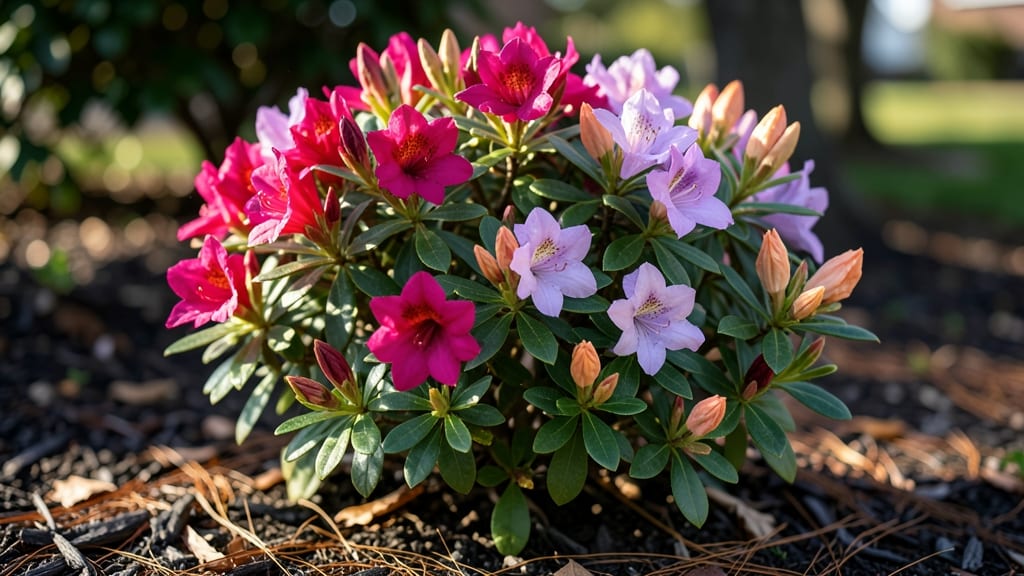
My azaleas that bloom multiple times a year transformed my yard from a single splash of color to a cascading waterfall of pink and purple. 🌸 The secret isn’t magic—it’s choosing the right varieties like 'Knaphill Hybrids' or 'George L. Taber,' then giving them exactly what they need to push those second flushes of blooms.
Start with acidic soil (pH 4.5–6.0) and full morning sun with afternoon shade—too much direct sun scorches the flowers. Feed them in early spring with a slow-release azalea fertilizer, then again after the first bloom fades.
Prune lightly in late spring, removing only dead wood and thinning crowded branches to let light reach the center.
By mid-summer, you’ll see buds forming again if you’ve kept the soil moist but not soggy. The second bloom won’t be as dramatic as the first, but it’s enough to keep your garden vibrant through fall. Even my first attempt last year produced a second flush that lasted until October.
Watch for over-pruning (which kills reblooming) and avoid heavy summer fertilizing—it encourages leafy growth over flowers. With these adjustments, your azaleas will keep blooming longer than any other shrub in your yard.
📚 In This Guide
- What you need
- Instructions
- Tips and common mistakes
- Wrapping up and next steps
What you need
- ● Azalea Varieties: 2–5 repeat-blooming azalea plants (e.g., 'Girard’s Pink', 'Hino Crimson', 'Kaleidoscope', or 'Southern Indica Grandiflora')
- ● Ensure they’re evergreen or semi-evergreen for best results
- ● Well-Draining Soil: 50% peat moss or coconut coir (for acidity and moisture retention)
- ● 30% pine bark fines (improves aeration)
- ● 20% sand or perlite (prevents compaction)
- ● Fertilizer: 1–2 pounds of acid-loving plant fertilizer (e.g., 16-4-8 or 8-3-9 with micronutrients)
- ○ Optional: Slow-release granules (apply in early spring and fall)
- ● Mulch: 3–4 inches of pine straw, wood chips, or bark mulch (keeps roots cool and moist)
- ● Watering Supplies: Hose with soaker nozzle or drip irrigation system
- ● Water 1–2 gallons per plant during dry spells
- ● Pruning Tools: 1 pair of sharp bypass pruners (for shaping)
- ● 1 hand pruner (for deadheading)
- ● 1 gloves (to protect from thorns)
- ● pH Testing Kit: Digital or liquid soil pH tester (ideal range: 4.5–6.0)
- ● Epsom salt (for magnesium boosts, 1 tbsp per gallon of water)
- ● Composted leaf mold (improves soil structure)
- ● Shade cloth (30–50% coverage for hot climates)
- ● Automatic timer for irrigation (saves time and ensures consistency)
How to select and care for reblooming azaleas
Here's the straightforward approach I've used to keep azaleas flowering twice yearly—no mystery involved.
🌱 Step 1: Choose the Right Reblooming Varieties
Not all azaleas rebloom—you need specific cultivars like 'Girard's Pink', 'Hino Crimson', or 'Kaleidoscope'. These are the only ones bred to produce a second flush of blooms in late summer or fall. I always check the label at the nursery because even rebloomers can vary in performance based on your climate.
Look for plants labeled as "everblooming" or "reblooming" azaleas. These typically have smaller flowers than their once-a-year cousins but make up for it with continuous color. The key is selecting from the Rhododendron x 'Kaleidoscope' series or Enkianthus hybrids—they're the most reliable for multiple bloom cycles.
☀️ Step 2: Position for Maximum Sun and Shelter
Reblooming azaleas need morning sun and afternoon shade—at least 4-6 hours of direct light daily. Too much hot afternoon sun scorches the leaves and flowers, while too little light weakens the plant's ability to produce a second bloom cycle. I plant mine where they get bright morning rays but are shaded by nearby trees or a lattice after 11 AM.
They also thrive in sheltered locations—wind can damage delicate blooms and stress the plant. If your garden is exposed, create a windbreak with evergreens or a sturdy fence. The goal is to mimic their natural woodland understory habitat where they receive dappled light and protection.
💧 Step 3: Maintain Consistent Moisture Without Waterlogging
Azaleas hate soggy roots but can't handle drought either. Keep the soil evenly moist but never waterlogged. I water deeply 2-3 times per week during growing season, checking the top 2 inches of soil—when it feels dry to the touch, that's your cue. Mulch heavily with 2-3 inches of organic mulch (like pine bark) to retain moisture and regulate soil temperature.
Here's the thing—rebloomers need extra care after their first flush. Once the first blooms fade, increase watering slightly to support the plant's energy for the second bloom cycle. But never let water pool around the base—this causes root rot and kills the plant faster than anything else.
✂️ Step 4: Prune Strategically After Each Bloom Cycle
Prune immediately after each bloom cycle to encourage new growth for the next flush. Cut back spent blooms to the first set of leaves below the flower cluster—this prevents seed formation and redirects the plant's energy into foliage and new buds. I always use clean, sharp shears and disinfect them with rubbing alcohol between cuts to prevent disease spread.
Reblooming azaleas need light pruning annually to maintain shape. Never remove more than 1/3 of the plant's growth in one season—this stresses the plant and reduces flowering. The best time to shape is right after the second bloom cycle, when the plant has finished its energy output for the year.
🌿 Step 5: Feed with Acidic Fertilizer Twice Yearly
Use an acidic, slow-release fertilizer (like 8-3-9 or 10-10-10 with sulfur) in early spring and again after the first bloom cycle fades. I apply it when the soil is moist to prevent root burn. The key is to never fertilize when the plant is actively flowering—this stresses the blooms and can cause them to drop prematurely.
Rebloomers need consistent nutrition to support two bloom cycles. I mix my fertilizer with the top 2 inches of soil rather than applying it to the surface. This ensures the roots get a steady supply without the risk of burning. Also, avoid high-nitrogen fertilizers—they promote leafy growth at the expense of flowers.
Tips & tricks for year-round azalea blooms
Real talk: The difference between a single spring burst of color and continuous blooms comes down to these key adjustments.
Varietal Verification: When selecting your reblooming azalea, ask for the specific cultivar name at the nursery. I once bought a plant labeled "everblooming" that turned out to be a regular azalea—no second flush after summer. The Rhododendron x 'Kaleidoscope' series and Enkianthus hybrids are your safest bets for reliable reblooming. Double-check the label or ask staff which varieties perform best in your specific hardiness zone.
Lighting Strategy: That 4-6 hours of morning sun is non-negotiable for rebloomers. I recommend placing them where they get direct light until 11 AM, then filtered shade. A simple test: If your azalea's leaves are consistently scorched on one side, it's getting too much afternoon sun. For container growers, rotate pots every few weeks to ensure even light exposure all around the plant.
Watering Wisdom: The 2-3 inches of mulch makes all the difference in moisture regulation. I use pine bark because it breaks down slowly and maintains that perfect balance between moisture retention and airflow. After the first bloom cycle, I increase watering by about 20%—just enough to keep the soil consistently moist without creating soggy conditions. A moisture meter helps here; aim for soil that feels like a damp sponge, not a wet washcloth.
Pruning Precision: When you're cutting back spent blooms in Step 4, look for the first set of leaves below the flower cluster—this is your target. I've found that using clean shears and disinfecting between cuts prevents disease spread better than any chemical treatment. For shaping, always prune after the second bloom cycle when the plant has finished its energy output for the year. This timing prevents accidental removal of next year's flower buds.
Pro Tips for Azaleas That Bloom Multiple Times A Year
- Real talk: The difference between a single spring burst of color and continuous blooms comes down to these key adjust...
- Varietal Verification: When selecting your reblooming azalea, ask for the specific cultivar name at the nursery. I on...
- Lighting Strategy: That 4-6 hours of morning sun is non-negotiable for rebloomers. I recommend placing them where the...
Frequently asked questions
about azaleas that bloom multiple times a year—because every gardener deserves a little extra magic in their yard!Can I grow these azaleas in pots or containers?
Many repeat-blooming azaleas thrive in containers, especially dwarf varieties like Kurume or Satsuki hybrids. Just ensure the pot has drainage holes, use acidic potting mix, and fertilize regularly. Containers let you move them for optimal sunlight and protect them from harsh winters if needed.
Why isn’t my azalea blooming a second time?
Multiple blooms require proper care! Common culprits include over-fertilizing with high nitrogen (which encourages foliage over flowers), poor drainage, or lack of sunlight. Prune spent blooms lightly, deadhead regularly, and ensure consistent moisture. If blooms fade quickly, your azalea might need more shade or cooler nights.
Do I need to prune these azaleas differently?
Yes! Prune after blooming to avoid cutting off next year’s buds. Use clean, sharp shears to shape lightly—never trim more than ⅓ of the plant. For repeat bloomers, avoid heavy pruning in late summer or fall, as this can reduce spring flowers. Focus on removing dead wood and thinning crowded branches for airflow.
Are there cold-hardy varieties for northern climates?
Yes! If you live in USDA Zones 5-7, try ‘Girard’s Vanilla’ (evergreen, Zone 5) or ‘Hino Crimson’ (Zone 6), both known for repeat blooms. For Zones 8+, ‘George L. Taber’ or ‘Southern Indica’ are heat-tolerant and prolific. Always check your local nursery for region-specific recommendations!
Can I force azaleas to rebloom indoors?
With patience, you can! Trim a healthy branch in early summer, place it in water, and keep it in bright, indirect light. Once roots form, transplant into acidic soil. Mimic outdoor conditions: cool nights (50–60°F) and warm days (70–75°F) encourage reblooming. Expect flowers in 6–8 weeks, but indoor blooms may be smaller.
Wrapping up and next steps
Transforming your garden into a year-round floral masterpiece is totally within reach with the right azalea varieties! 🌸 From the Enzian to the Girard’s, these bloomers prove that seasonal limits are just suggestions.
With proper care—like pruning, soil prep, and strategic placement—you’ll enjoy vibrant color well beyond the usual spring flurry.
Ready to bring more life to your landscape? Start by picking one or two varieties that suit your climate and space, then dive into the care tips shared here. Before you know it, your garden will be the envy of the neighborhood—one bloom at a time! 🌿✨