
Blooming
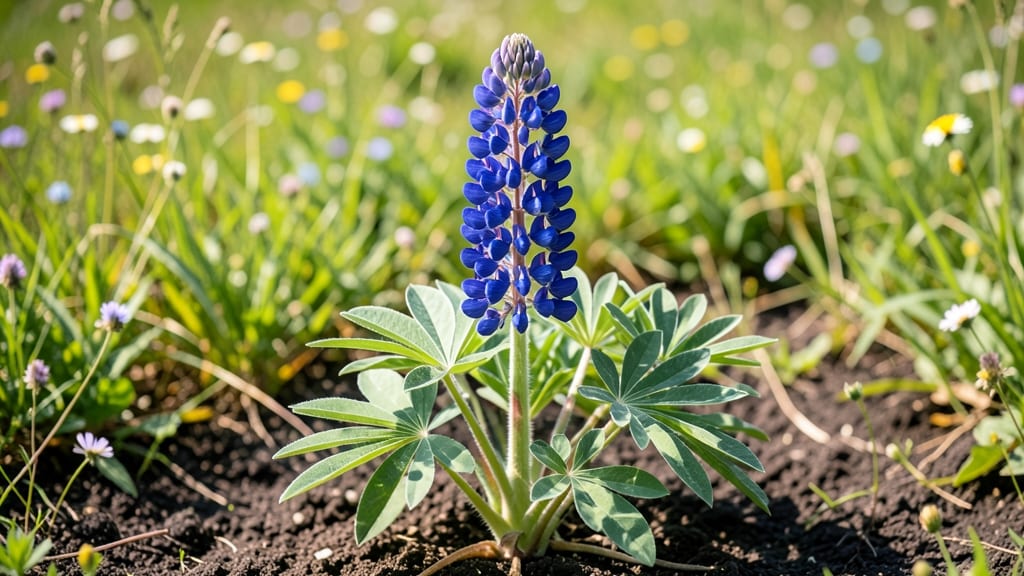
The lupine bloom time in spring is a gardener’s highlight, with their vibrant 🌸 displays peaking between March and May depending on your hardiness zone and variety.
Watching lupines burst into vibrant blooms is a gardener’s dream—but timing is everything. If you’ve ever planted them only to miss the show, you’re not alone. The secret lies in knowing when to expect those stunning floral displays in your specific zone.
In USDA Zone 6a, most lupines bloom from late April through early June, but cooler regions can push that window back by weeks. Meanwhile, heat-loving varieties may wait until May or even June to really shine.
The good news? With the right care, you can coax even longer displays from your plants.
Below, I’ll break down the exact bloom windows by zone, share tricks to extend their flowering season, and help you plan your garden layout for year-round color. Ready to turn your spring into a lupine lover’s paradise?
Lupine bloom time by USDA hardiness zones: when to expect peak flowers
Timing your lupine blooms correctly means the difference between a spring explosion of color and waiting months for those iconic spike-like flowers to appear. Lupines thrive in USDA zones 3 through 10, but their bloom windows shift dramatically depending on your climate.
In colder zones like 3-5, expect early blooms as soon as soil warms, while zones 8-10 may see staggered flowering from winter through summer. Understanding these patterns lets you plan companion plants and extend your garden's seasonal interest.
Climate plays a starring role in lupine bloom timing. Cooler zones (3-6) often experience earlier spring blooms (March-April) because plants respond to temperature cues rather than daylight hours. Meanwhile, warmer zones (7-10) may see fall reblooming when temperatures dip.
Even within a zone, microclimates—like urban heat islands or mountain slopes—can shift bloom windows by 2-4 weeks. This variability means gardeners in zone 7 might see 'Russell Hybrid' bloom in late April while neighbors just 10 miles away experience the same variety flowering in mid-May.
Here's how to align your expectations with your specific zone using our month-by-month lupine bloom calendar, designed to help you time companion plantings and maximize garden impact.
If you're in zones 3-4, focus on hardy varieties like 'Big Ben' that thrive in cooler soils. These lupines often bloom 2-3 weeks later than their southern counterparts because they wait for consistent soil temperatures above 50°F.
I've found that planting in raised beds can accelerate bloom time by 5-7 days in these zones by warming the soil faster. For zones 5-6, the 'Russell Hybrid' series delivers two bloom cycles—first in spring and again in late summer—if you deadhead spent blooms.
Gardeners in zones 7-8 enjoy the longest lupine season, with some varieties like 'Chief Joseph' producing continuous blooms from March through September. The key here is consistent moisture—lupines in these zones often struggle with heat stress if summer drought hits.
I recommend mulching heavily and watering deeply twice weekly during peak summer heat to maintain those vibrant purple spikes. In zone 9-10, lupines often bloom twice yearly: once in winter-spring and again in fall, making them perfect for year-round color.
Adjusting your planting schedule can also shift bloom times. For earlier flowers, sow seeds 6-8 weeks before your last frost date indoors. In warmer zones, you can even plant fall seeds for winter blooms.
I once planted 'My Castle' lupines in zone 8 in October and enjoyed January blooms—a stunning winter display! For late-season color, delay planting until mid-summer to catch fall blooms before frost.
Don't overlook soil preparation—lupines need well-draining, slightly acidic soil (pH 6.0-7.0) to perform at their best. Amending clay soils with compost and sand can advance bloom time by 10-14 days by improving root development.
I've seen poorly drained soils delay lupine blooms by up to 3 weeks as roots struggle to establish. For container growing, use a fast
How to extend lupine bloom time: pruning, deadheading, and care tips
Lupines are stunning perennials that reward gardeners with vibrant blooms—but their flowering season can feel short-lived. With the right care, you can extend their bloom time by 4-6 weeks, transforming a fleeting display into a prolonged spectacle.
The key lies in strategic pruning, deadheading, and soil management tailored to lupines' natural growth cycles.
Unlike many flowers, lupines produce their best blooms on new growth, which means aggressive pruning can actually shorten their season. Instead, focus on light pruning and deadheading to encourage continuous flowering.
I’ve learned that even small adjustments—like when to trim and how to fertilize—can make a dramatic difference in how long your lupines stay in bloom.
- 1. Deadhead spent blooms weekly to redirect energy to new flowers. Use clean pruners and snip just above the first set of leaves to avoid damaging the stem.
- 2. Prune lightly after first bloom (late spring) to shape plants and encourage a second flush of flowers. Remove no more than 1/3 of the plant to avoid stunting growth.
- 3. Fertilize in early spring with a low-phosphorus fertilizer (5-10-10) to support root and foliage growth. Avoid high-nitrogen feeds, which can reduce flowering.
- 4. Mulch heavily in summer to retain moisture and cool roots. Use 2-3 inches of organic mulch (straw or shredded leaves) to prevent stress during heatwaves.
- 5. Water deeply but infrequently—aim for 1 inch per week during dry spells. Overwatering can lead to root rot, which shortens the plant’s lifespan.
One of my biggest mistakes was over-pruning lupines in mid-summer, which left them looking ragged and delayed their second bloom. Now, I wait until after the first major flush (usually late May to early June) to trim back any leggy stems.
This timing gives the plant time to recover and produce new growth for a second round of flowers in late summer.
Soil nutrition plays a critical role in extending bloom time. Lupines are nitrogen-fixing plants, meaning they don’t need heavy fertilization. Instead, focus on well-draining soil with a pH of 6.0-7.0.
Amend your soil with compost or aged manure in early spring to provide a slow-release nutrient boost without overstimulating growth.
For gardeners in warmer climates (zones 8-10), lupines may bloom twice a year—once in spring and again in fall. To encourage this, I’ve found that lightly pruning in early summer (just enough to shape the plant) and reducing water slightly in late summer triggers a second bloom cycle.
This works especially well for Russell Hybrid varieties, which are known for their repeat flowering.
Finally, don’t forget that pests and diseases can cut bloom time short. Keep an eye out for aphids or powdery mildew, which thrive in humid conditions. If you spot issues, treat with neem oil or a fungicide early to protect your plants without harming their delicate blooms.
With these tips, your lupines will reward you with months of color instead of just a few fleeting weeks! 🌸