
Blooming
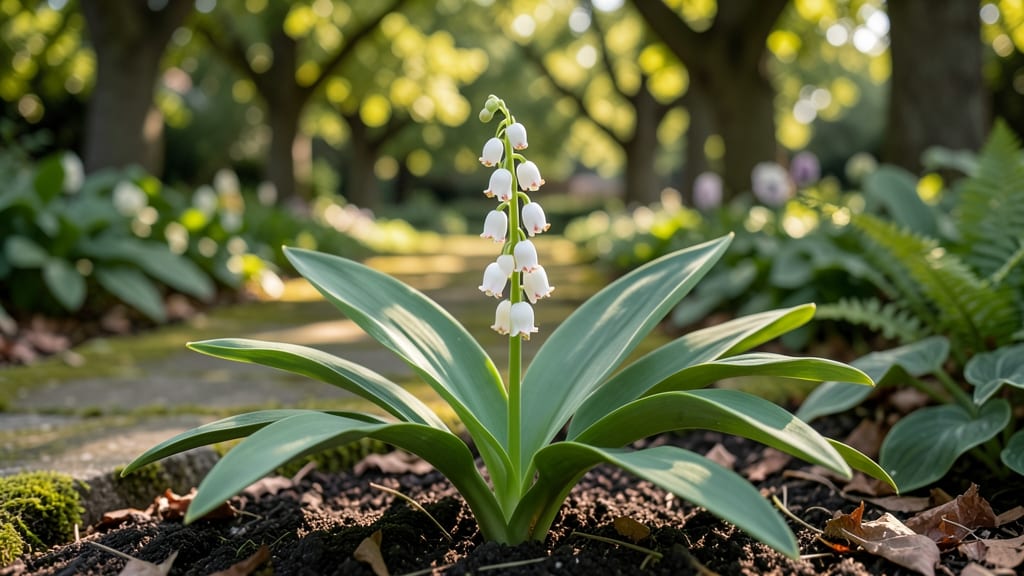
The lily of the valley bloom time is a delicate dance between patience and perfect conditions—typically arriving in late spring, but only if you’ve planted it right.
If you’ve ever planted lily of the valley (Convallaria majalis) hoping for that iconic fragrance and delicate bell-shaped blooms—only to wait in vain—you’re not alone. This hardy perennial thrives in the right conditions, but its bloom time depends entirely on your climate zone, sunlight exposure, and planting strategy.
In USDA Zone 6a (like much of the Midwest), expect those sweet-smelling blooms to appear in May or June, but shift that window by weeks if you’re in the Pacific Northwest or Southern states.
The key? Planting in September or October for the best results, and giving it partial shade to mimic its woodland roots.
Below, I’ll break down exactly when to expect those fragrant blooms in your area, how to nudge them earlier or later, and the 3 most common mistakes that keep gardeners waiting year after year.
Lily of the valley bloom time by USDA hardiness Zones (with exact months)
Lily of the valley (Convallaria majalis) is famous for its fragrant, bell-shaped blooms that signal spring's arrival. But the exact bloom timing varies dramatically by USDA hardiness zone, with some regions seeing flowers as early as April and others waiting until July.
Understanding your zone's typical bloom window helps you plan for peak fragrance and visual impact.
Most gardeners expect blooms between late May and June, but microclimates and elevation shifts can push timing by 2-4 weeks. For example, high-altitude gardens in Zone 5 might bloom 3 weeks later than coastal areas in Zone 7. Let's break down what to expect in each zone.
In Zone 3, where winters are harsh, lily of the valley often waits until late May to bloom, as the plant conserves energy during cold snaps. Gardeners in Zone 4 typically see flowers by early May, but shaded microclimates can trigger blooms as early as late April.
The Pacific Northwest stands out in Zone 5, where blooms may appear in early April due to mild coastal winters.
Southern gardeners in Zone 7 enjoy the earliest blooms, with some varieties flowering as early as February. However, inland areas like northern Virginia may not see flowers until early May.
The key difference? Winter chill hours—lily of the valley needs 400-600 hours below 45°F to trigger blooming, which explains why Zone 8 gardens in Florida bloom in December while Arizona gardens wait until March.
If you're in a transition zone (like Zone 6b), expect a 3-week spread from earliest to latest bloomers. Planting near deciduous trees can delay blooms by 1-2 weeks
How to trigger earlier or later blooms (proven gardening hacks)
Want to coax your lily of the valley into blooming earlier for spring weddings or delay its flowers to extend your garden's summer display? The secret lies in strategic timing and environmental cues.
Unlike many perennials, lily of the valley responds dramatically to soil temperature, light exposure, and even its planting season. With these science-backed hacks, you can shift bloom times by 2-4 weeks—without chemicals or guesswork.
For earlier blooms, focus on fall planting and winter chilling. The plant needs 6-8 weeks of temperatures below 50°F (10°C) to trigger flowering. In warmer climates (Zones 7-8), use shade cloth or mulch heavily to mimic winter conditions.
For later blooms, delay planting until late spring or provide consistent afternoon shade to slow growth.
- 1 Plant in fall (Sept-Oct) for earlier spring blooms. The 6-week chill period kickstarts flower buds.
- 2 Use black plastic mulch in winter to raise soil temps by 5-10°F and delay blooming by 2-3 weeks.
- 3 Prune spent blooms immediately after flowering to redirect energy to next year’s buds—extends bloom season by 10-14 days.
- 4 Pair with hostas or ferns for natural shade. Too much sun = bolting (premature flowering).
- 5 For containers, use terracotta pots (breathable) and move to shadier spots in summer to slow growth.
Container gardening is your best bet for urban climates where microclimates run wild. Lily of the valley thrives in 5-gallon pots with well-draining soil and morning sun only.
To delay blooms, place pots under decorative trees or patio umbrellas after May 1st. For earlier blooms, pre-chill containers in a garage or unheated shed for 4-6 weeks before planting outdoors.
Pro tip: Companion planting with bulbous perennials like bleeding heart or foamflower creates a shade canopy that naturally regulates temperature. This trick works especially well in Zone 6-7 gardens, where sudden warmth can shock plants into early (but weak) blooms.
Monitor your plant’s foliage growth—healthy leaves by March 1st mean blooms by May 15th. If growth stalls, add a low-nitrogen fertilizer (5-10-10) in early spring to boost root development.
Avoid high-nitrogen feeds; they promote leaves over flowers. For maximum fragrance, deadhead spent blooms and water deeply every 7-10 days during bud formation.
Remember: Patience is key. Lily of the valley often skips blooming in its first year as it establishes roots. By year two, with the right timing tricks, you’ll have perfectly timed blooms—whether you’re chasing spring or savoring summer’s last whispers. 🌸