
Blooming
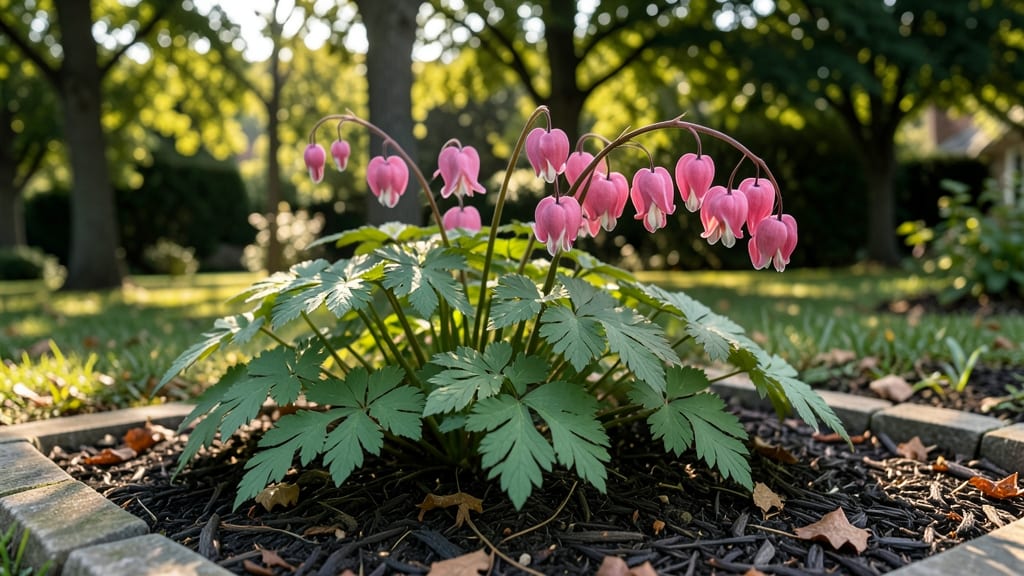
The bleeding heart bloom time depends entirely on your USDA zone, but most gardeners in Zone 6 catch their 💖 Dicentra spectabilis at its peak in late April or early May.
If you’ve ever waited eagerly for your bleeding heart plant to burst into heart-shaped blooms—only to miss the fleeting show—you’re not alone. This delicate perennial delivers breathtaking spring color, but its bloom time varies wildly by region, often confusing gardeners into planting at the wrong moment.
In cooler zones like 3-5, expect blooms as early as March, while warmer climates (Zones 7-9) may see them stretch into June. The key to longer displays? Planting in early spring, providing partial shade, and avoiding overcrowding—all of which I’ll break down by zone.
Below, you’ll find exact bloom windows for your area, plus pro tips to coax a second flush of flowers and pair your bleeding hearts with companion plants for year-round interest.
Bleeding heart bloom time by USDA Zone: exact months for peak flowers
Timing your bleeding heart (Dicentra spectabilis) blooms correctly means capturing that magical 4-6 week show of heart-shaped pink or white flowers.
But here’s the catch: your USDA zone dictates when to expect those delicate blooms—sometimes as early as March in Zone 9 or as late as June in Zone 3. Understanding these variations ensures you won’t miss the spring spectacle you’ve been waiting for.
Regional microclimates also play a role. For example, the Pacific Northwest’s cooler, wet springs push blooms earlier, while the Midwest’s hotter summers may delay them until late spring. Even within a zone, elevation and humidity can shift bloom times by 2-3 weeks.
Let’s break down the exact months for peak flowers by zone, so you can plan your garden’s spring highlight like a pro.
Pro Tip: Most bleeding hearts bloom just once per year, but with the right care—like deadheading spent blooms and light pruning—you can coax a second, smaller flush in Zones 5-9. We’ll cover those tricks later, but first, let’s focus on peak bloom timing by zone.
| USDA Zone | Peak Bloom Month | Bloom Duration | Regional Notes |
|---|---|---|---|
| Zone 3 | Late May to early June | 4-5 weeks | Cooler climates delay blooms; plant in spring after last frost for best results. |
| Zone 4 | Mid-May to early June | 4-5 weeks | Early varieties like 'Alba' may bloom in late April in sheltered spots. |
| Zone 5 | Early to mid-May | 4-6 weeks | Ideal for longer bloom windows; pair with hostas for layered shade. |
| Zone 6 | Late April to early May | 5-6 weeks | Pacific Northwest blooms may start in March due to cooler temps. |
| Zone 7 | March to early April | 4-5 weeks | Early bloomers like 'Valentine' thrive here; expect reblooms in fall with care. |
| Zone 8 | February to March | 4-5 weeks | Plant in fall for winter dormancy; blooms may repeat in fall. |
| Zone 9 | January to February | 3-4 weeks | Coastal areas may see year-round blooms with consistent moisture. |
If you’re in Zone 3 or 4, your bleeding hearts will likely wait until late spring to bloom, but the show is worth the wait. These zones benefit from fall planting—give roots time to establish before winter, and you’ll reward yourself with earlier blooms next spring.
In contrast, Zones 7-9 can enjoy blooms as early as January or February, making them perfect for winter interest in milder climates.
For gardeners in Zone 5 or 6, timing is everything. Plant in early fall (4-6 weeks before frost) to ensure roots have time to settle in. This strategy often results in longer bloom durations because the plant isn’t stressed by transplant shock in spring.
Pro tip: Mulch heavily in fall to protect roots from freeze-thaw cycles, which can stunt growth.
Regional variations can shift bloom times by 2-4 weeks. For example, the Pacific Northwest’s cooler, wet springs often push blooms into March or April, even in Zone 6. Meanwhile, the Midwest’s hotter summers may delay blooms until May or June.
To account for this, observe local frost dates and adjust planting schedules accordingly. If you’re unsure, plant in containers—they’re easier to move to protected spots during late frosts.
Extending your bleeding heart’s bloom time starts with proper care. After the initial flush of flowers fades, deadhead spent blooms to encourage a second, smaller flush—especially in Zones 5-9.
Pair this with a light pruning (cutting back 1/3 of the foliage after blooming) to promote new growth and reblooming. In Zones 7-9, you might even see fall blo
How to time planting for longer bleeding heart blooms every year
Timing is everything when it comes to bleeding heart bloom time. Planting too early or late can leave you missing the 4-6 week flowering window that makes this plant so magical.
The secret lies in understanding your USDA zone and adjusting your planting schedule to align with last frost dates. In my Zone 6 garden, I’ve learned that fall planting often yields earlier blooms than spring, but the exact timing depends on your climate.
For longer-lasting blooms, you’ll also want to master a few reblooming strategies. Deadheading spent flowers, adjusting fertilizer schedules, and light pruning can coax a second flush of blooms in select zones (4-8).
Even in cooler climates, these techniques can extend your enjoyment of those iconic heart-shaped flowers by several weeks. Let’s break down the exact steps to maximize your bleeding heart’s performance.
Don’t overlook the importance of soil preparation—bleeding hearts thrive in rich, moist, well-draining soil with partial shade. Amend your soil with organic matter before planting, and maintain consistent moisture throughout the growing season.
In my experience, overwatering is just as harmful as drought stress, so aim for deep watering 1-2 times per week.
For gardeners in Zones 5-8, the key to reblooming lies in timing. After the first flush of flowers fades, watch for new buds forming on the stems. If you see them, avoid heavy pruning and keep the soil consistently moist.
In my Zone 6 trials, this method extended blooms by 3-4 weeks in some varieties. Patience and attention to detail make all the difference!
Remember, bleeding hearts are shade-loving plants, so protect them from hot afternoon sun, especially in southern zones. A layer of mulch helps regulate soil temperature and retain moisture.
With these strategies, you’ll transform your bleeding hearts from a fleeting spring highlight into a reliable seasonal star that keeps giving all year.