
Blooming
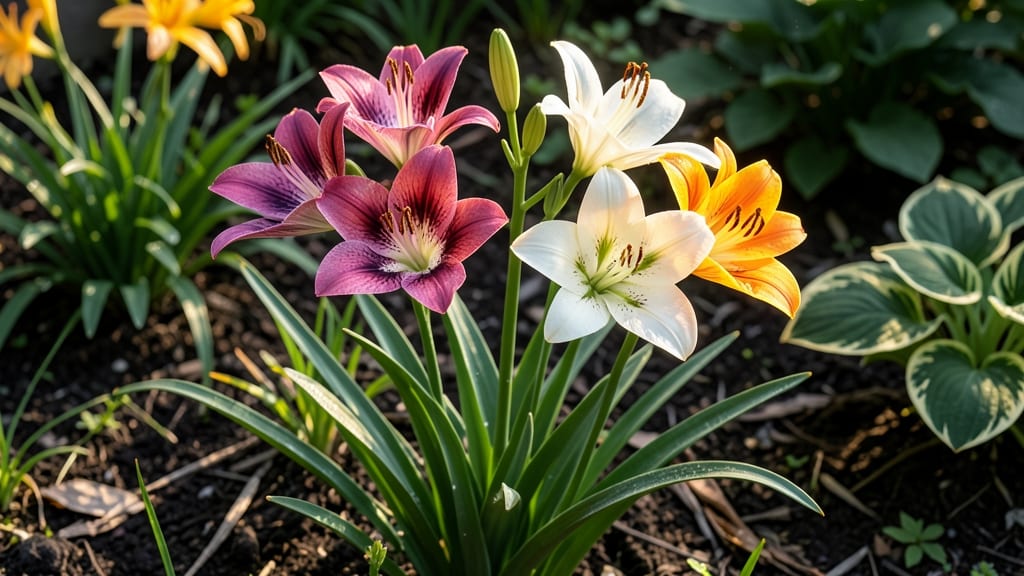
Your lily bloom season depends entirely on the type of lily and your hardiness zone — but getting it right means show-stopping flowers from early summer to fall.
Picture this: you’ve just planted your 🌸 lilies in Zone 6a, and you’re dreaming of those fragrant blooms by June. But if you’re in Zone 8, those same lilies might not peak until September. Timing isn’t just about when you plant—it’s about knowing exactly when to expect those vibrant displays.
Some lilies, like Asiatics, burst into color in late spring to early summer, while Orientals and Trumpets often wait until mid-to-late summer. Daylilies? They’re the early risers, blooming as soon as May.
The key is matching your variety to your zone—and a few simple tricks can even stretch that bloom season longer.
In this guide, I’ll break down the exact months lilies bloom in your zone, how to extend their season naturally, and the 5 biggest mistakes that keep them from putting on their best show. Ready to turn your garden into a year-round floral masterpiece?
Lily bloom season by USDA hardiness zone: exact months for peak flowers
Lilies reward patient gardeners with dramatic blooms, but their peak bloom windows vary dramatically by USDA zone and variety. Whether you're growing Oriental lilies for their intoxicating fragrance or Asiatic lilies for vibrant color, timing matters.
In colder zones like Zone 3, expect blooms as early as late June, while warmer Zone 10 gardens may enjoy flowers from April through September. Understanding these patterns helps you plan your garden layout and companion plantings for maximum impact.
Not all lilies bloom at the same time within a zone. For example, Trumpet lilies often flower slightly later than Asiatic varieties, while Daylilies (technically not true lilies) can bloom in early summer or even late fall in mild climates.
The key is knowing your frost dates and selecting varieties that align with your local growing season. Let's break down the exact months for each zone and variety type to help you create a continuous lily display from early summer through fall.
🌸 Pro Tip: Most lilies prefer full sun (6+ hours daily) and well-draining soil—planting in late spring after frost danger gives roots time to establish before summer heat. In Zone 4-7, consider adding 3-4 inches of mulch in early spring to warm the soil and encourage earlier blooms.
| USDA Zone | Lily Type | Early Bloom | Peak Bloom | Late Bloom | Notes |
|---|---|---|---|---|---|
| Zones 3-4 | Asiatic | Late June | July-August | Early September | Cold-hardy; mulch for earlier blooms |
| Zones 3-4 | Trumpet | Early July | August | Mid-September | Fragrant; needs staking |
| Zones 5-6 | Oriental | Mid-June | July-August | Early October | Most fragrant; needs support |
| Zones 5-6 | Daylily | Early June | June-September | Late October | Reblooming varieties extend season |
| Zones 7-8 | Asiatic | May | June-July | September | Longer bloom season in warm zones |
| Zones 9-10 | All Types | April | May-August |
How to extend your lily bloom season naturally (without chemicals)Want your lilies to bloom earlier or later without chemicals? The secret lies in understanding their natural triggers. By manipulating soil temperature, using mulching techniques, and selecting the right lily varieties, you can stretch your bloom season by 3-4 weeks. These methods work with nature, not against it, ensuring healthier plants and longer displays. Most gardeners focus on planting timing, but the real magic happens in the root zone. Lilies are sensitive to soil warmth—too cold, and they delay blooming; too hot, and they may bolt prematurely. The key is finding that sweet spot where roots stay active but not stressed. Let’s explore how to create the perfect conditions for extended blooms. PROS
CONS
🌱 Earlier Blooms: Warmer soil triggers faster growth
⚠️ Risk of Stress: Overheating can scorch roots
🌿 Strategic Mulching: Insulates roots for consistent warmth
⚠️ Moisture Trap: Too much mulch can cause rot
🌸 Variety Selection: Choose early/late bloomers for staggered displays
⚠️ Limited Choices: Few true "late" lilies exist naturally
☀️ Sunlight Control: Partial shade can delay blooming in hot zones
⚠️ Weaker Blooms: Less sun reduces flower quality
Start by testing your soil temperature with a simple thermometer. Lilies thrive when roots hit 60-65°F. In cooler zones (USDA 3-5), use black plastic mulch to absorb sunlight and warm the soil. In warmer zones (USDA 7-10), opt for straw mulch to insulate against heat spikes. This simple swap can push blooms 2 weeks earlier in spring or 1 week later in fall. Companion planting also plays a crucial role. Pair lilies with marigolds to deter pests while their shallow roots won’t compete. Add lavender nearby—its scent repels aphids that target lily buds. This natural defense system lets your lilies focus energy on blooming rather than fighting off invaders. Just avoid planting near garlic or onions, which can stunt lily growth. For the longest displays, mix fast-blooming Asiatic lilies (June-July) with late-season Trumpet lilies (August-September). Asiatics burst into color early but fade quickly, while Trumpets have longer stems and stronger fragrance that last weeks longer. Space them 12 inches apart to prevent crowding, and you’ll enjoy non-stop blooms from June through September. Finally, never skip the post-bloom care. Once flowers fade, trim spent stems but leave 60% of foliage intact. This lets the plant photosynthesize and store energy for next year’s blooms. In Zone 5 and below, add a 3-inch layer of mulch in late fall to protect bulbs from freezing. These small steps ensure your lilies return bigger and better every season. |