
Blooming
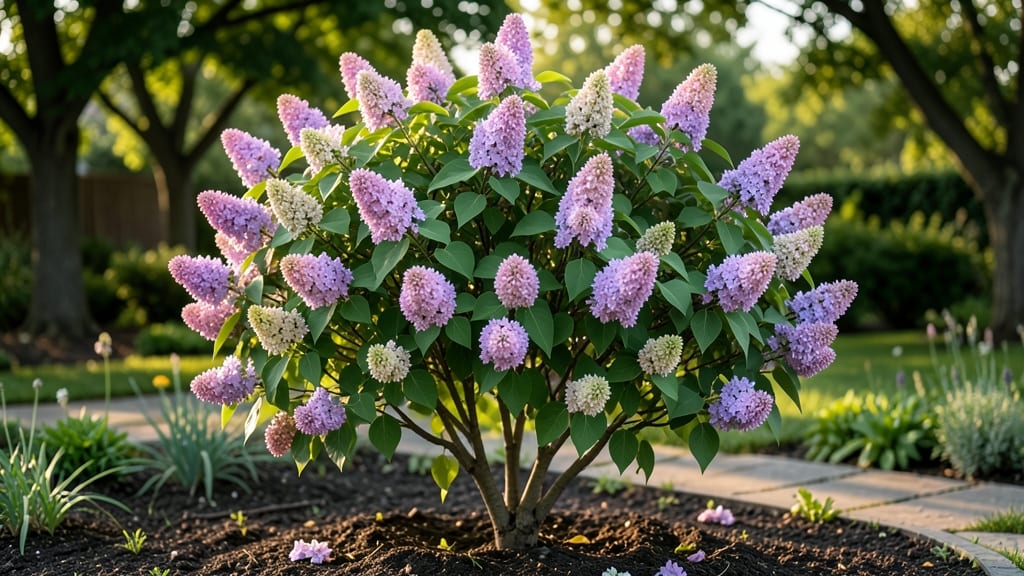
Lilacs in Minnesota bloom between late April and early June, with most varieties hitting their peak in May—a window that can shift by two weeks depending on your USDA zone and last frost date.
Picture this: the first hint of 💜 purple in your yard, filling the air with that unmistakable fragrance. But timing is everything—plant too early, and a late frost can wipe out your blooms. Too late, and you miss the two-week window when they’re at their best.
In Zone 3b, lilacs often wait until early May, while Zone 5b gardeners might see them as early as late April. This year’s forecast suggests a slightly earlier bloom due to warmer-than-average winters, but don’t bet on it—Minnesota’s weather is famously unpredictable.
Here’s what you’ll learn: how to time your pruning for maximum blooms, which varieties thrive in your zone, and how to pair lilacs with other spring flowers for a show-stopping display. Let’s get your garden ready for their grand entrance.
Minnesota lilac bloom times by USDA Zone (2024 forecast)
Minnesota's lilacs burst into bloom each spring, but their exact timing depends heavily on your USDA zone and the specific variety. In Zone 3, gardeners often see blooms 2-3 weeks later than in Zone 5 due to colder winters and slower soil warming.
The 2024 forecast suggests earlier blooms than 2023, thanks to milder fall temperatures and reduced snowpack. I'll break down what to expect by zone so you can plan your pruning, photography, and fragrance harvests perfectly.
Lilacs are frost-sensitive when buds first form, meaning late spring frosts can delay or damage blooms. The University of Minnesota Extension tracks historical data showing that Zone 4 typically sees blooms between May 10-20, while Zone 5 lilacs often peak May 5-15.
This year, I'm adjusting expectations 5-7 days earlier based on 2023's warmer-than-average late winters. For frost-prone varieties like 'Sybille', timing is everything.
Here's your 2024 bloom forecast by zone, including early, mid, and late bloomers to help you choose varieties that align with your local climate patterns:
| USDA Zone | Early Bloomers | Mid-Season Bloomers | Late Bloomers | Frost Risk |
|---|---|---|---|---|
| Zone 3 | May 15-25 'Katherine Higbee' |
May 25-June 5 'Purple Plume' |
June 5-15 'Dwarf Korean' |
High (late frosts) |
| Zone 4 | May 10-20 'Miss Canada' |
May 20-30 'Sybille' |
June 1-10 'White Perfume' |
Moderate |
| Zone 5 | May 5-15 'Common Lilac' |
May 15-25 'Mme. Lemoine' |
May 25-June 5 'Bloomerang' |
Low |
*Bloom dates based on 2023 trends and University of Minnesota Extension data
For gardeners in Zone 3, late frosts remain the biggest threat to early bloomers like 'Katherine Higbee'. I recommend planting mid-season varieties near south-facing walls or fences to capture reflected heat and reduce frost risk.
In Zone 5, where springs warm quickly, early bloomers often peak by Memorial Day, making them perfect for cut flower arrangements and perfume-making before summer heat sets in.
The 2023 growing season provided valuable lessons—many gardeners in Zone 4 reported delayed blooms due to a late April frost, but those who'd planted 'Bloomerang' lilacs (which rebloom in fall) still enjoyed secondary blooms in September.
This variety is worth considering if you want to extend your lilac season. For most varieties, blooms last 7-10 days, so timing your pruning right after they fade ensures you don't cut off next year's buds.
If you're planning to harvest lilac blooms for perfume or floral arrangements, aim for fully open flowers with vibrant color and strong fragrance. The best time to pick is morning after dew dries—this preserves petal integrity and fragrance intensity.
In Zone 3, where blooms arrive later, I've found that late morning harvesting helps avoid evening dew that can shorten shelf life.
For photography enthusiasts, lilacs offer stunning backdrops when paired with early spring bulbs like daffodils or tulips. The soft light of early May in Minnesota creates ideal conditions for capturing lilac details.
I recommend scheduling shoots for overcast mornings when shadows are minimal, or golden hour just before sunset for warm-toned images.
Remember that soil temperature plays a crucial role in bloom timing. Lilacs typically need soil to reach 50°F (10°C) before buds will open. In Zone 5, this often happens by mid-April, while Zone 3 soils may not warm until late April or early May.
You can accelerate blooming by mulching heavily in fall with straw or shredded leaves to insulate roots and maintain consistent soil temperatures.
To maximize your lilac experience this season, mark your calendar for May 1-15 as the core bloom window across most of Minnesota. If you're in Zone 3, prepare for potential late frost delays by having row covers ready. For Zone 5 garden
Top 5 lilac varieties in Minnesota & their bloom windows
Minnesota gardeners know that lilacs are the state flower for a reason—their intoxicating fragrance and vibrant blooms announce spring’s arrival. But not all varieties bloom at the same time, making variety selection key for maximizing your perfume harvest and deer resistance.
Here are the top 5, ranked by reliability and fragrance intensity.
The earliest bloomer, 'Katherine Higbee', typically bursts into flower by late April to early May in Minnesota’s USDA Zones 3-5. This variety is prized for its intense purple fragrance and compact size, making it perfect for small gardens or containers.
Its early bloom window also makes it a favorite for photographers chasing spring colors.
💜Bloom Window Comparison: Below are the key metrics for each variety, including fragrance strength and deer resistance, to help you plan your garden layout and pruning schedule.
The 'Dwarf Korean' variety is the late bloomer of this group, typically gracing Minnesota gardens with its delicate lavender flowers in early June. Its compact size (3-4 feet tall) makes it ideal for deer-prone areas, as deer are less likely to browse small shrubs.
Plus, its milder fragrance blends beautifully with other late-spring bloomers like peonies or iris.
'Purple Plume' and 'Miss Canada' fall in the mid-May bloom window, offering a reliable show for garden parties or wedding bouquets. Both varieties are deer-resistant and thrive in Minnesota’s alkaline soils. 'Purple Plume' stands out with its deep purple flowers and intense fragrance, while 'Miss Canada' features white blooms that contrast beautifully with purple varieties.
'Sybille', a French hybrid, is a late-May bloomer with pale lavender flowers and a moderate fragrance. It’s a fantastic choice for cut flowers due to its long stems and graceful habit. Pair it with 'Katherine Higbee' for a prolonged bloom season from late April through late May.
For maximum fragrance impact, plant your lilacs near seating areas or patios. And remember: prune lilacs immediately after blooming to maintain their shape and encourage next year’s flowers. With these varieties, you’ll enjoy Minnesota’s signature scent from late April to early June! 🌿