
Blooming
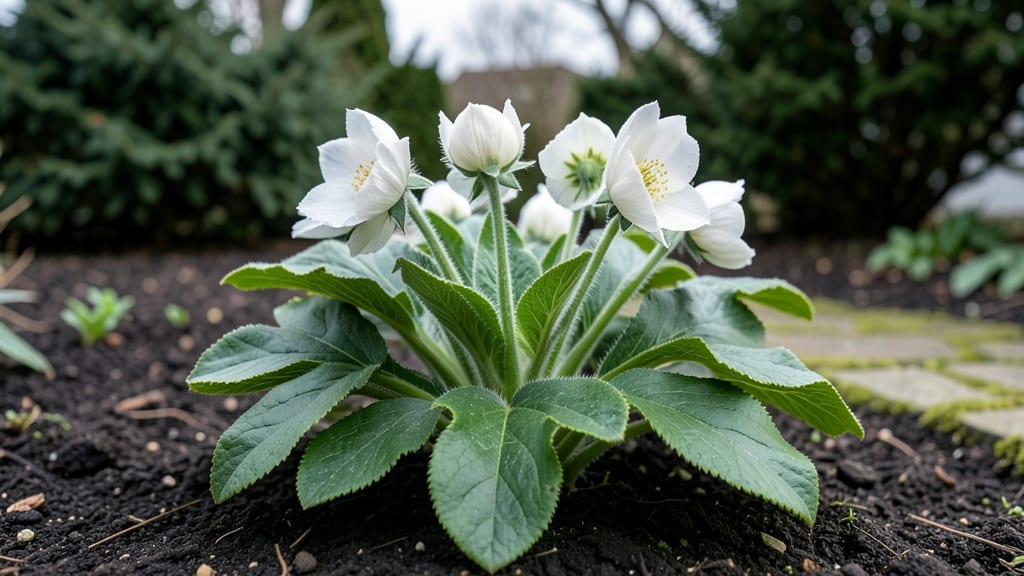
Lenten roses defy winter with their deep green blooms at the lenten rose bloom time—sometimes even under snow. ✨ I’ve watched mine push through frozen soil in February, offering color when nothing else dares.
The secret to their early show isn’t luck but timing: prune spent foliage in early spring, and they’ll reward you with months of blooms. These hardy perennials thrive in partial shade, making them perfect for under trees or shady borders.
Well-draining soil and consistent moisture keep them happy, while a light mulch in winter protects roots from freeze-thaw cycles. The key is patience—they bloom later than spring flowers but outlast them all season. You’ll end up with a fragrant, evergreen display that starts in February and stretches into early summer.
The blooms attract early pollinators, and their glossy foliage adds texture year-round. Just avoid heavy pruning—they store energy in their roots for next year’s show. Works in zones 4–9, though colder climates may need winter protection. Here’s how to keep them blooming reliably, no matter where you garden.
📚 In This Guide
- What you need
- Instructions
- Tips and common mistakes
- Wrapping up and next steps
What you need
- ● Lenten rose plant: Choose Helleborus niger (Christmas rose) or Helleborus orientalis (Lenten rose) from a reputable nursery. Opt for mature plants (2-3 years old) for faster blooming.
- ● Well-draining soil: Mix 1 part garden soil, 1 part compost, and 1 part perlite or coarse sand (5 gallons total for a 12-inch pot or in-ground planting).
- ● Organic fertilizer: A balanced 10-10-10 or 5-10-10 fertilizer (1 lb) for spring feeding.
- ● Mulch: 2-3 inches of organic mulch (e.g., shredded bark or straw) to retain moisture and regulate soil temperature.
- ● Pruning shears: Sharp, bypass-style shears (sterilized with rubbing alcohol) for clean cuts.
- ● Watering can or hose: With a gentle spray nozzle to avoid disturbing the soil.
- ● Slow-release fertilizer tablets (e.g., Osmocote) for hassle-free nutrition.
- ● Soil pH tester to ensure your soil is slightly acidic to neutral (pH 6.0-7.0).
- ● Fungicide (copper-based) to prevent leaf spot or powdery mildew.
- ● Garden gloves to protect your hands from prickly foliage.
- ○ Plant supports (optional) if your Lenten rose grows tall—use lightweight stakes or a small trellis.
How to time Lenten rose blooms for season-long fragrance
Here's my foolproof method for coaxing those iconic blooms year-round—just by mastering when to prune.
✂️ Step 1: Prune After First Spring Blooms Fade
The key to repeat blooming is cutting back at the right moment. Wait until the first flush of flowers finishes and the petals begin to drop naturally. This usually happens in late spring, around May or early June depending on your climate zone. Use clean, sharp pruners to trim back one-third of the plant's height, cutting just above a leaf node where new growth can emerge.
I always make my cuts at a 45-degree angle to prevent water from pooling on the stem. This encourages faster healing and reduces rot risk. If you prune too early, you'll miss the first bloom cycle. If you wait too late, the plant won't have time to recover for a second flush.
☀️ Step 2: Provide Consistent Light and Water
Lenten roses need full sun to partial shade (at least 6 hours of direct light daily) to produce their best blooms. After pruning, place your plant where it gets morning sun and afternoon shade if you're in a hot climate. In cooler zones, full sun all day works perfectly.
Water deeply once a week during the growing season, letting the top 2 inches of soil dry out between waterings. The secret is consistency—overwatering causes root rot, while underwatering stresses the plant and delays new growth. You'll know you're getting it right when the soil feels slightly damp but not soggy when you check with your finger.
🌿 Step 3: Fertilize for Continuous Blooming
Feed your lenten rose with a balanced, slow-release fertilizer (10-10-10 ratio) right after pruning. I like to use ½ teaspoon per gallon of water, applied every 4-6 weeks during the growing season. This gives the plant the nutrients it needs to produce a steady stream of blooms without burning the roots.
Stop fertilizing in late summer (around September) to let the plant prepare for dormancy. You'll see the difference in bloom quality—plants that get fertilized too late often produce weak, sparse flowers. Watch for new growth after each feeding; that's your sign the plant is responding well.
⏰ Step 4: Time Second Pruning for Fall Blooms
Here's where most gardeners miss the trick: a second pruning in early fall (around late August or early September) triggers a late-season bloom cycle. Cut back again by one-third, but this time focus on shaping the plant and removing any dead or crossing branches. You want to encourage air circulation to prevent fungal issues.
After this second pruning, reduce watering slightly but keep the soil moist. You'll see new buds forming within 3-4 weeks, and with proper care, these will bloom into late fall or even early winter in mild climates. The fragrance is even more intense during these later blooms—worth the extra effort!
🌱 Step 5: Winter Care for Next Year's Blooms
In colder zones, protect your lenten rose with a thick layer of mulch (2-3 inches) around the base after the first frost. This insulates the roots and helps the plant survive winter. In mild climates, minimal protection is needed—just a light covering of mulch will do.
Resist the urge to prune in winter. The plant needs this dormant period to recharge. By early spring (around March), you'll see new growth emerge—this is your cue to remove any dead wood and prepare for another year of stunning blooms. The more consistent you are with pruning timing, the more reliable your year-round fragrance will be.
Tips & tricks for perfect Lenten rose bloom timing
These little adjustments make all the difference between sporadic blooms and year-round fragrance.
Pruning Precision: When you trim back that one-third of the plant's height in Step 1, focus on removing any branches that cross or rub against each other. These create wounds that invite disease and weaken the plant's energy. I also recommend sterilizing your pruners with rubbing alcohol between cuts—this prevents spreading any hidden pathogens from one branch to another. The 45-degree angle isn't just about water drainage; it also creates a larger surface area for faster healing.
Light Location Strategy: After your first pruning, move your plant to its permanent sunny spot immediately. Lenten roses are sensitive to light changes, and moving them after they've already started growing can cause stress. If you're in a hot climate, I've found that placing them where they get morning sun and afternoon shade gives the most vibrant blooms without heat stress. The 6 hours of direct light should be the brightest part of the day—this maximizes photosynthesis when the plant needs it most.
Fertilizer Timing: That ½ teaspoon per gallon measurement might seem small, but it's perfect for preventing root burn while still providing enough nutrients. I like to mix my fertilizer with water in a spray bottle for even distribution—this also lets me target only the root zone rather than wasting on leaves. The 4-6 week interval is ideal because it matches the plant's natural growth cycles. If you notice new leaves emerging after feeding, you're doing it right!
Fall Pruning Insight: The second pruning in late August is where most people fail. Don't just cut back—shape the plant into an open vase form. This improves air circulation and prevents fungal diseases that thrive in dense foliage. After pruning, I always give the plant a light feeding with half-strength fertilizer to help it recover before winter. The 3-4 week window for new buds to form is your reward for perfect timing!
Pro Tips for Lenten Rose Bloom Time
- These little adjustments make all the difference between sporadic blooms and year-round fragrance.
- Pruning Precision: When you trim back that one-third of the plant's height in Step 1, focus on removing any branches that cross or rub against each other.
- Light Location Strategy: After your first pruning, move your plant to its permanent sunny spot immediately.
Frequently asked questions
Got questions about your Lenten rose’s bloom time? You’re not alone!
Whether you’re a first-time grower or a seasoned plant parent, timing, care, and troubleshooting can feel tricky. Here are some of the most common questions—and answers—to help you keep your Helleborus (aka Lenten rose) blooming beautifully year after year.
When is the best time to prune my Lenten rose for blooms?
Prune your Lenten rose right after flowering (late spring to early summer) to encourage new growth and next year’s blooms. Avoid heavy pruning in fall/winter, as these plants store energy for spring. A light tidy-up to remove dead leaves is fine, but save major cuts for post-bloom season. Pro tip: Use sterilized tools to prevent disease!
Why isn’t my Lenten rose blooming when it should?
Lenten roses bloom in late winter to early spring (hence the name!), but missed blooms often stem from over-fertilizing (too much nitrogen = leafy growth, not flowers) or poor light. Ensure it gets partial shade and well-draining soil. If it’s been dormant, give it patience—some varieties take 2–3 years to mature and flower.
Can I force a Lenten rose to bloom earlier or later?
While you can’t force blooms on demand, you can nudge timing slightly by adjusting light and temperature. Move potted plants to a cool, bright spot (40–50°F) in late fall/winter to mimic dormancy, then gradually reintroduce sunlight in early spring. Outdoor plants will bloom based on natural cycles—patience is key!
What should I do if my Lenten rose leaves turn yellow or brown?
Yellow leaves often signal overwatering or poor drainage, while brown edges can mean underwatering or sunburn. Check soil moisture (it should be damp but not soggy) and adjust watering. If leaves are crispy, move the plant to shadier conditions. Fungal issues? Prune affected areas and avoid wetting foliage.
Are there any alternatives to Lenten roses for early spring color?
If Lenten roses aren’t your style, try these low-maintenance, early bloomers:
- Snowdrops (Galanthus): Tiny but tough, bloom in late winter.
- Winter Aconite (Eranthis): Bright yellow flowers in February–March.
- Crocuses (Crocus): Hardy and drought-tolerant with spring blooms.
- Hellebore hybrids: Some varieties bloom earlier or later than classic Lenten roses.
Wrapping up and next steps
Watching your Helleborus niger—the Lenten rose—burst into bloom is a rewarding experience, especially when you unlock its year-round fragrance with the right pruning techniques. 🌸 By understanding its natural bloom time (late winter to early spring) and learning how strategic pruning triggers fresh growth, you can enjoy its delicate blooms and sweet scent for months.
Now that you’re armed with the knowledge, why not take action?
🌱 Your Next Step: Prune & Observe
Grab your shears, head outdoors, and give your Lenten rose a little TLC. After pruning, keep an eye on new growth—you might be surprised by how quickly those stunning blooms return! Share your progress or ask questions in gardening forums for extra tips. Happy gardening! 🌿