
Blooming
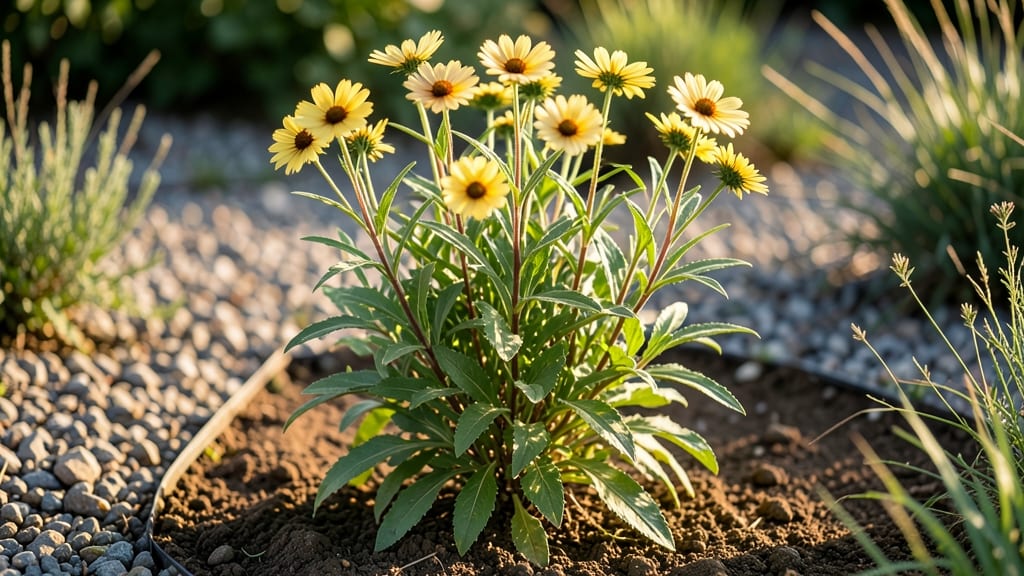
Yellow bloom flowers bring instant sunshine to any garden space—whether you're filling borders, brightening containers, or creating a pollinator paradise. 🌻 I've learned that the right yellow blooms can transform a dull corner into a cheerful focal point, and the best part?
Many thrive with minimal fuss once you know their preferences.
From early spring's cheerful daffodils to late-season sunflowers, yellow flowers offer season-long color with varieties for every light condition. Marigolds repel pests while adding warmth, coreopsis brings fine texture, and black-eyed Susans provide bold structure.
The key is pairing them with complementary colors—think deep purples or rich greens—to make them pop even more.
You'll end up with a garden that feels effortlessly vibrant, where every bloom catches the light just right. These flowers work equally well in cut arrangements, where their cheerful hues lift any bouquet, or as standalone stars in a mixed border.
The care is simple: most just need good drainage and regular watering to reward you with months of golden cheer.
Perfect for beginners or experienced gardeners looking to add a bright, cheerful element—yellow flowers bring joy with minimal maintenance. Whether you're working with containers, raised beds, or open ground, these sunlit stars deliver instant impact that lasts all season long.
Behind The Golden Glow
When your once-vibrant flowers start showing off a yellowing bloom—whether it’s petals, leaves, or even stems—it’s not just a cosmetic issue. This shift in color is often a cry for help from your plants, signaling underlying stress or nutrient imbalances.
Understanding the root causes can help you revive your garden’s beauty before it’s too late. Let’s break down the science behind why your flowers are turning golden.
Too much sun or scorching temperatures can cause chlorophyll breakdown in flower petals, leading to yellowing. While most plants need sunlight, prolonged exposure—especially during peak summer—can cook delicate blooms.
- How it happens: High temperatures (above 90°F/32°C) disrupt photosynthesis in petals, causing them to lose their natural pigments. Some flowers, like roses or hydrangeas, are particularly sensitive to heat stress.
- Signs to watch for:
- Yellowing starts at the edges of petals and spreads inward.
- Petals may feel dry or crispy to the touch.
- Leaves might curl or show brown scorch marks.
Actionable fix: Provide afternoon shade (especially for tropical flowers) and ensure consistent watering to help regulate temperature. Mulching around the base of plants can also insulate roots and reduce heat absorption.
Water is the lifeblood of flowers, but improper hydration—whether from drought or overwatering—can trigger yellowing. Both extremes disrupt nutrient uptake and lead to cellular damage.
- Underwatering:
- Causes oxidative stress in cells, breaking down chlorophyll.
- Leads to wilting and dry, brittle petals.
- Overwatering:
- Leads to root rot, which blocks nutrient absorption.
- Yellowing often starts at the base of petals and spreads.
- Soil may smell sour or moldy.
Actionable fix:
- Check soil moisture 1 inch below the surface—it should be damp but not soggy.
- Water deeply but infrequently (early morning is best to reduce evaporation).
- Use well-draining soil and containers with drainage holes.
Yellow blooms can be a red flag for nutrient deficiencies, particularly in nitrogen, magnesium, or iron. Each deficiency affects flowers differently, often starting with subtle color shifts.
| Nutrient | Yellowing Pattern | Other Signs | Fix It With |
|---|---|---|---|
| Nitrogen (N) | Pale yellow-green petals (older blooms first). | Stunted growth, weak stems. | Balanced flower fertilizer (e.g., 10-10-10) or compost. |
| Magnesium (Mg) | Yellowing between veins (interveinal chlorosis). | Older leaves yellow first, then petals. | Epsom salt solution (1 tbsp per gallon of water, applied monthly). |
| Iron (Fe) | Bright yellow petals (young leaves/blooms first). | Leaves may be small or distorted. | Iron chelate or acidic soil amendments (like peat moss). |
Pro tip: 💡 Conduct a soil test to pinpoint exact deficiencies. Most garden centers offer affordable kits!
Hidden invaders—like aphids, spider mites, or fungal infections—can drain nutrients from flowers, causing them to yellow prematurely. Some pests inject toxins that disrupt pigment production.
- Common culprits:
- Aphids: Cluster on buds, sucking sap and causing sticky residue (honeydew).
- Powdery mildew: White fungal coating on petals, leading to yellow/brown patches.
- Root-knot nematodes: Microscopic worms that damage roots, starving the plant.
- Signs to spot:
- Sticky or web-like substances on blooms.
- Petals dropping prematurely.
- Mushy stems or black spots.
Actionable fix:
- Spray flowers with neem oil or insecticidal soap for pests.
- Remove infected blooms immediately and disinfect pruners.
- Improve air circulation to prevent fungal spread (space plants 12+ inches apart).
Not all yellowing is a problem! Some flowers—like chrysanthemums or marigolds—naturally transition to gold as they age or in response to cooler temperatures. This is part of their lifecycle and often enhances their beauty.
- Seasonal triggers:
- Autumn: Many perennials (e.g., black-eyed Susans) turn golden as they prepare for dormancy.
- Spring: Some bulbs (like daffodils) fade to yellow as they finish blooming.
- How to tell it’s natural:
- Yellowing is even across the bloom.
- No wilting, spots, or pests present.
- Other flowers in the same species are doing the same.
What to do: Let nature take its course! Deadhead spent blooms to encourage new growth, but avoid over-pruning if the plant is healthy.
Revive your blooms naturally
Watching your vibrant yellow flowers lose their luster can be disheartening, but the good news is that most issues have simple, effective fixes. Whether your blooms are wilting, fading, or struggling to thrive, these targeted solutions will help you restore their golden glow.
Let’s tackle the most common problems with practical steps and prevention tips to keep your flowers flourishing for seasons to come.
Symptoms: Yellowing petals, soggy soil, or a musty smell around the base.
How to Fix It: 🔥 Adjust Your Watering Routine Reduce how often you water—yellow blooms often signal overwatering. Stick your finger about an inch into the soil; if it’s damp, wait a few more days before watering again. Most yellow-blooming plants prefer soil that’s slightly dry between waterings.
👨🍳 Improve Drainage If your pots lack drainage holes, transfer your plant to a container with them. For in-ground plants, amend the soil with perlite, sand, or compost to loosen it up.
A mix of 60% potting soil and 40% perlite works wonders for many yellow-blooming varieties like marigolds or coreopsis.
🥘 Repot if Necessary If the roots are rotting (black, mushy roots), trim the affected areas with sterilized scissors and repot in fresh, well-draining soil. Add a handful of orchid bark or coconut coir to boost aeration.
Prevention Tips: ✨ Water in the morning to allow excess moisture to evaporate during the day. 💡 Use self-watering pots if you tend to overwater—they regulate moisture levels automatically.
Symptoms: Crispy edges, drooping petals, or flowers that open but quickly wilt.
How to Fix It: 🔥 Increase Hydration Gradually Slowly reintroduce water by giving your plant a deep soak once a week (adjust based on your climate). For container plants, water until it drains from the bottom. Mulch around the base with straw or shredded bark to retain moisture.
🌡️ Provide Shade During Peaks If your yellow blooms are in direct sun (like sunflowers or black-eyed Susans), shield them from the harsh afternoon rays with a sheer cloth or move them to partial shade temporarily.
A simple DIY shade cloth or even a white umbrella can work in a pinch.
🍎 Fertilize Lightly Yellow blooms often need a nutrient boost after heat stress. Use a balanced, water-soluble fertilizer (like 10-10-10) diluted to half strength. Apply it every 4–6 weeks during the growing season.
Prevention Tips: 🎯 Group plants together to create a microclimate that retains moisture. 💡 Mist leaves in extreme heat (early morning or late evening) to cool them down.
Symptoms: Pale yellow leaves, stunted growth, or flowers that bloom weakly.
How to Fix It: 🔥 Test Your Soil Use a simple soil test kit (available at garden centers) to check pH and nutrient levels. Yellow blooms often thrive in slightly acidic to neutral soil (pH 6.0–7.0). Adjust with lime (to raise pH) or sulfur (to lower it) as needed.
👨🍳 Feed the Right Way If your soil is lacking, switch to a slow-release granular fertilizer like 14-14-14. For a quick fix, use a liquid bloom booster (high in phosphorus) every 2 weeks. But—if your leaves are yellow with green veins, you’re likely overdoing it with nitrogen.
Cut back on fertilizer and focus on phosphorus and potassium.
🥘 Compost Tea Boost Brew a batch of compost tea (steep compost in water for 24–48 hours, then strain) and use it as a gentle, nutrient-rich foliar spray. This adds microbes and trace minerals without the risk of burning roots.
Prevention Tips: ✨ Follow the label—more fertilizer isn’t better! 💡 Use organic matter like worm castings or banana peels (for potassium) to enrich soil naturally.
Symptoms: Spots on petals, holes in leaves, or a sticky residue (sap).
How to Fix It: 🔥 Identify the Culprit Common pests for yellow blooms include aphids, spider mites, and whiteflies. Check the undersides of leaves for tiny bugs or webbing. Fungal issues (like powdery mildew) may appear as white, powdery patches.
👨🍳 Treat Naturally - For pests: Spray with a mix of 1 tsp dish soap + 1 quart water, or use neem oil (follow package instructions).
Repeat every 5–7 days. - For fungi: Remove affected leaves and spray with a baking soda solution (1 tsp baking soda + 1 quart water + a few drops of soap). Improve airflow around plants to prevent recurrence.
🥘 Encourage Beneficial Insects Ladybugs and lacewings devour aphids. Attract them by planting companion flowers like dill or marigolds nearby.
Prevention Tips: 🎯 Inspect new plants before bringing them home—quarantine them for a week if possible. 💡 Water at the base (not overhead) to reduce fungal spores splashing onto petals.
Symptoms: Flowers blooming poorly, roots circling the pot, or soil drying out too quickly.
How to Fix It: 🔥 Repot Gently Carefully remove the plant from its pot and tease apart tangled roots. Trim any that are circling or rotting, then place it in a pot 2–3 inches larger with fresh soil. Yellow-blooming perennials like coneflowers or black-eyed Susans often need repotting every 2–3 years.
👨🍳 Divide Clumps For perennials, dig up the plant in early spring or fall, separate the root ball into smaller sections (each with 3–5 stems), and replant them. This rejuvenates growth and encourages more vibrant blooms.
🥘 Refresh the Soil Even if you’re not repotting, replace the top 2 inches of soil with a mix of compost and potting soil to refresh nutrients.
Prevention Tips: ✨ Choose pots with room to grow—avoid "root-bound" situations by upgrading containers every few years. 💡 Prune back spent blooms to redirect energy to root and foliage health.
Final Thought: Yellow blooms are resilient—with the right care, they’ll bounce back stronger than ever. Start with one or two fixes based on your plant’s symptoms, and don’t forget to celebrate small victories like new buds forming or leaves perking up! 🌼✨
Frequently asked questions
Which yellow blooms attract the most pollinators?
Marigolds, black-eyed Susans, and coreopsis are top choices for pollinators like bees and butterflies. These flowers produce abundant nectar and have flat, open structures that make it easy for insects to access. Plant them in clusters near other pollinator-friendly blooms for maximum impact.
Can I grow yellow flowers in containers?
Many yellow varieties thrive in containers, including petunias, geraniums, and dwarf sunflowers. Choose pots with drainage holes and use well-draining soil. For small spaces, try trailing varieties like nasturtiums or compact perennials like coreopsis.
How do I make yellow flowers last longer in bouquets?
Trim stems at an angle and place them in cool water with a drop of bleach or flower food. Change the water every 2-3 days and remove leaves that would sit underwater. Sunflowers and daffodils naturally last longer than delicate varieties like marigolds.
What's the best way to deadhead yellow blooms?
Use clean pruners to snip just above a leaf node or bud. For perennials like black-eyed Susans, remove spent flowers regularly to encourage more blooms. With annuals like marigolds, you can cut back to the base if the plant looks tired but still healthy.
Are there yellow flowers that bloom year-round?
Most yellow flowers have seasonal blooms, but some like petunias (in warm climates) or geraniums can provide near-continuous color with proper care. For winter interest, try hellebores which produce cheerful yellow blooms in late winter/early spring when little else is flowering.