
Blooming
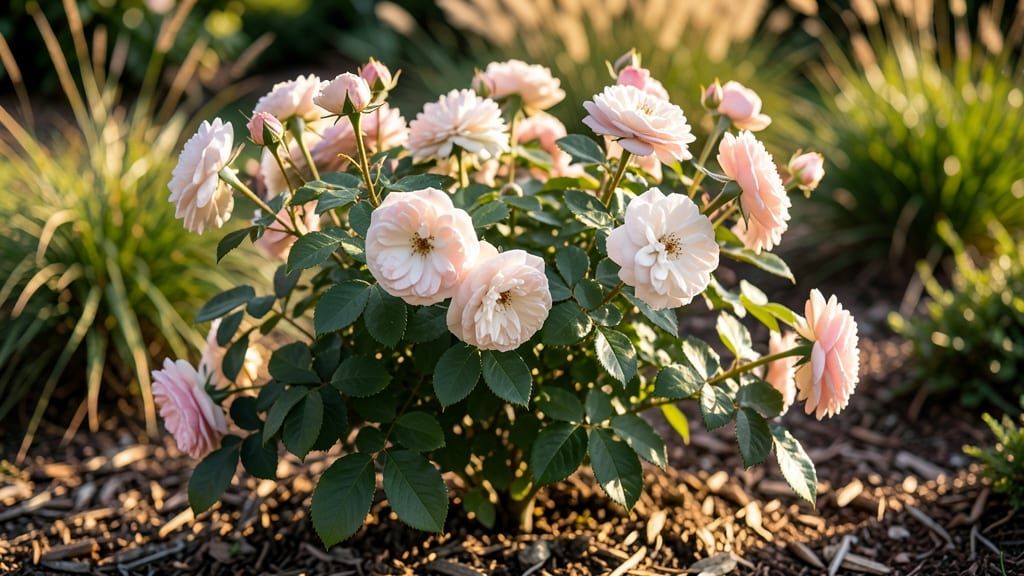
Your drift roses bloom time isn’t just a season—it’s a six-month cascade of fragrance that starts right after your last frost and carries through fall. 🌹 I learned the hard way that timing pruning and care to their natural rhythm is what turns a pretty shrub into a nonstop floral show.
The key? Understanding how climate, variety, and even last year’s growth shape when those clusters of tiny blooms appear.
Most drift roses burst into color in late spring to early summer, with some varieties like 'Iceberg' or 'Playful' reblooming in fall if you prune correctly.
But here’s the twist: cooler climates (zones 3–5) get a longer bloom window because heat stresses them, while zone 7–9 gardens might see a mid-summer lull unless you adjust watering. The secret weapon?
Pruning in early spring (before buds swell) and again after the first flush—this keeps them bushy and flowering.
By mid-summer, you’ll have clusters of blooms that last 3–4 weeks per flush, with proper care. The fragrance hits its peak in the morning, and the petals stay fresh even in light rain.
Think year-round interest if you choose repeat-blooming varieties like 'Radrazz' or 'Double Delight'—they’ll reward you with color even when other roses fade.
Regional tweaks matter: Northern gardeners should prune later (May) to avoid frost damage, while Southern growers might prune twice (spring and fall). The payoff?
A shrub that looks like a cloud of blossoms from May through October—and yes, you can even force a few late-season blooms with a light pruning in early September. Let’s get those timing details nailed down.
📚 In This Guide
- What you need
- Instructions
- Tips and common mistakes
- Wrapping up and next steps
What you need
- ● Drift Roses plants – Choose Rosa 'Drift' varieties (e.g., 'Drift Rose' or 'Drift Rose Series'). Buy 3–5 plants for a full, fragrant display.
- ● Well-draining potting mix – 10–15 gallons of a blend like 50% garden soil, 30% compost, and 20% perlite/sand for containers. For in-ground planting, amend native soil with compost.
- ● Container or garden bed – If container-grown, use 15–20 gallon pots (one per plant) with drainage holes. For in-ground, select a spot with 6+ hours of sunlight and slightly acidic to neutral soil (pH 6.0–7.0).
- ● Slow-release fertilizer – 10–20 lbs of 10-10-10 or rose-specific fertilizer per 100 sq ft of garden bed. For containers, use 1 tbsp per plant every 4–6 weeks.
- ● Mulch – 2–3 inches of organic mulch (e.g., shredded bark or pine straw) to retain moisture and regulate soil temperature.
- ● Watering can or hose with a gentle nozzle – Drift roses need 1–1.5 inches of water per week (deep watering 2–3 times weekly).
- ● Pruning shears – Bypass pruners (sharp and clean) for shaping and deadheading blooms.
- ● Garden gloves – A pair of durable, breathable gloves to protect your hands from thorns.
- ● Soil moisture meter – Ensures you’re watering at the right depth without over- or under-watering.
- ● Epsom salt (magnesium sulfate) – 1 tbsp per gallon of water monthly for a green boost during blooming season.
- ● Rose-specific fungicide – Like neem oil or copper fungicide to prevent black spot or powdery mildew.
- ● Trellis or support stakes – Helps taller drift roses (like 'Drift Rose Blush') stay upright and encourages airflow.
- ● Fragrance-enhancing spray – A mix of 1 tsp witch hazel + 1 tsp rubbing alcohol per quart of water can intensify scent when sprayed lightly on blooms.
- ● Grow lights (for indoor/early blooms) – LED grow lights (12–16 hours/day) if extending bloom time indoors.
Instructions for maximizing Drift roses bloom time
Here's how to coax those fragrant clusters year-round—no guesswork, just precision timing.
🌱 Step 1: Prune for Seasonal Bloom Cycles
Drift roses bloom in waves, so timing your prune is everything. For spring blooms, cut back 1/3 of the plant in late winter (just as buds swell) to redirect energy. I like to make clean cuts 1/4 inch above an outward-facing bud
For fall blooms, wait until after the first flush of flowers fades. Prune again in early September to stimulate late-season growth. Avoid heavy pruning after mid-August—new growth won't harden off before winter, and tender stems will die back. Drift roses need 6+ hours of direct sun daily for continuous blooming. If your roses get partial shade, you'll see fewer flowers and longer gaps between blooms. I move mine a few inches closer to the sun in early spring to jumpstart growth—watch for new leaves unfurling as your signal. Feed with a balanced rose fertilizer (10-10-10) every 4-6 weeks during growing season. Stop fertilizing after mid-August to let plants prepare for winter. Too much late-season nitrogen means soft growth that won't survive frost. Deep watering once weekly (or more in extreme heat) keeps blooms coming. Water at the base early in the morning to reduce fungal risks—wet leaves overnight invite black spot. You'll know you're doing it right when the soil feels 2-3 inches deep and moist but not soggy. Mulch with 2-3 inches of organic mulch to retain moisture and regulate soil temperature. This is where many gardeners go wrong—I see people mulching too thinly, which lets soil dry out too fast. Check mulch depth annually and refresh as it breaks down. Deadhead spent blooms immediately to encourage new flowers. Cut back to the first 5-leaflet leaf below the bloom—this signals the plant to produce another stem. I do this every 2-3 days during peak bloom season to keep flowers coming. For fall extensions, stop deadheading after mid-September to let hips form. These provide winter interest and food for birds. Prune lightly in late fall to remove dead or crossing branches, but leave the structure intact for spring. Stop all fertilizing and watering 6-8 weeks before first frost. This lets roses enter dormancy naturally. In late winter (just before buds swell), give them a light prune to remove dead wood and open the center for airflow. Here's the thing—if you prune too early, you'll stimulate new growth that gets nipped by frost. Wait until you see swollen buds (about 2-3 weeks before last frost) to prune for spring blooms. This timing ensures flowers arrive right when pollinators wake up.☀️ Step 2: Adjust Light and Fertilizer for Extended Blooming
💧 Step 3: Water Strategically for Continuous Blooms
✂️ Step 4: Deadhead and Prune for Seasonal Extensions
⏰ Step 5: Time Dormancy for Spring Renewal
Tips & tricks for perfect Drift roses bloom timing
Precision timing transforms ordinary roses into fragrant showstoppers—here's how to get it right every season.
Bud Swell is Your Cue: The exact moment for spring pruning is when you see those fat, green buds swelling on the stems. I learned this the hard way—pruning too early when buds are still tight means you're cutting off potential blooms. Wait until they're visibly swollen (about 1/4 inch in diameter) before making those clean cuts 1/4 inch above an outward-facing bud. This timing ensures you're not sacrificing next season's flowers for this year's.
Sunlight Strategy for Consistent Blooms: Move your roses closer to the sun in early spring—just a few inches makes a difference. Watch for new leaves unfurling as your signal that they're ready for more light. I've seen roses in partial shade produce half as many blooms compared to their sunlit counterparts. If your garden has afternoon shade, consider relocating them to a sunnier spot permanently—those 6+ hours of direct sun are non-negotiable for continuous blooming.
Fertilizer Timing Secrets: The 4-6 week feeding schedule works because it matches the rose's natural growth cycles. I've found that applying fertilizer right after a heavy pruning (like your spring cutback) gives plants the boost they need to recover and produce new growth. But here's the critical part: stop by mid-August. That late-season nitrogen is what causes those tender stems that won't survive winter—you want your roses to harden off, not keep growing when frost is coming.
Deadheading Discipline: Those 2-3 days between deadheading sessions might seem short, but they're perfect for keeping roses in continuous bloom mode. The key is consistency—when you see a bloom starting to fade, snip it immediately. Cut back to the first 5-leaflet leaf below the bloom, not just the stem. This might seem like over-trimming, but it's what signals the plant to produce another stem from that spot. I've seen roses go from one bloom to the next without pause when I stick to this schedule.
Pro Tips for Drift Roses Bloom Time
- Precision timing transforms ordinary roses into fragrant showstoppers—here's how to get it right every season.
- Bud Swell is Your Cue: The exact moment for spring pruning is when you see those fat, green buds swelling on the stems.
- Sunlight Strategy for Consistent Blooms: Move your roses closer to the sun in early spring—just a few inches makes a difference.
Frequently asked questions
Got questions about drift roses and their bloom time?
Here are answers to the most common ones—so you can plan your garden like a pro!
When do drift roses typically bloom?
Drift roses usually bloom in late spring to early summer (May–June in most U.S. zones), but many repeat-bloom varieties (like ‘Drift Rose’) produce secondary flushes in fall (September–October). Cold-hardy types may even bloom sporadically in spring or summer heatwaves! Check your specific cultivar’s tag for exact timing.
Can I force drift roses to bloom earlier?
While you can’t guarantee earlier blooms, you can encourage healthier, earlier flowers by:
- Pruning in early spring (before buds swell) to remove dead wood.
- Using a balanced fertilizer (like 10-10-10) in late winter.
- Avoiding heavy frost damage—cover plants if temps drop below 20°F.
Why aren’t my drift roses blooming?
Common culprits include:
- Over-fertilizing with nitrogen (promotes leaves, not flowers). Switch to a low-nitrogen, high-phosphorus fertilizer (e.g., 5-10-5).
- Poor sunlight—drift roses need 6+ hours of direct sun daily.
- Stress from drought or overwatering. Keep soil consistently moist but well-drained.
- Young plants may take 1–2 years to establish and bloom.
Are drift roses fragrant? When is the best time to enjoy their scent?
Yes! Most drift roses (like ‘Pink Drift’ or ‘Blush Drift’) have a light, sweet fragrance. The scent peaks morning to early afternoon during bloom time (May–June and September–October). For maximum aroma, plant near patios or windows—just avoid high-traffic areas where pets/kids might brush against thorns!
What’s a good alternative if I want roses that bloom year-round?
While drift roses aren’t truly year-round bloomers, consider these long-blooming alternatives:
- Knock Out® Roses: Bloom continuously from spring frost to fall (with minimal care!).
- David Austin English Roses: Fragrant, repeat-blooming varieties (e.g., ‘Gertrude Jekyll’).
- Hibiscus or Camellias: Offer seasonal blooms with bold colors and low maintenance.
Wrapping up and next steps
Drift roses are a gardener’s dream—offering year-round fragrance with the right care! Their bloom time varies by variety, but with precision timing and ideal conditions, you can enjoy their delicate beauty almost 12 months a year.
Whether you’re a seasoned gardener or just starting, a little patience and attention will reward you with lush, fragrant blooms that brighten any space.
Ready to transform your garden? Start by choosing the perfect variety for your climate, then give these roses the love they deserve. Happy planting—your nose (and your garden!) will thank you! 🌸