
Blooming
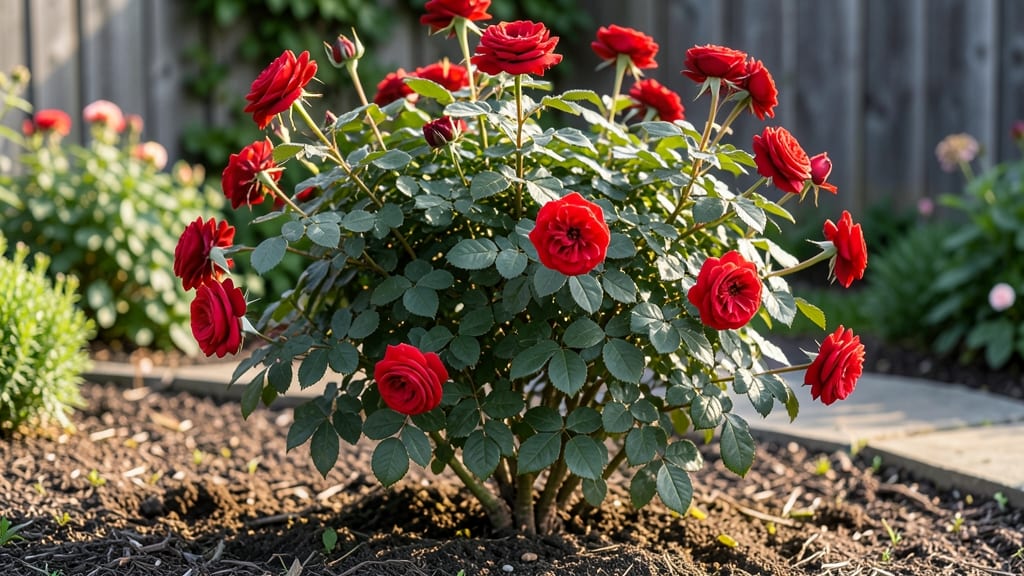
The knockout roses bloom cycle turns your yard into a nonstop floral display from spring to frost 🌹 — a 165-day show of bold, continuous blooms that never quits.
But here’s the catch: their natural cycle only lasts until the first hard frost. If you love the bold, continuous blooms but wish they lasted longer, understanding their bloom cycle—and how to manipulate it—could transform your garden into a year-round floral masterpiece.
These roses thrive in USDA Zone 6a, where they burst into color after the last frost in mid-April. With the right pruning and care, you can push that cycle well into fall, even past the October 31 first frost date.
Below, I’ll walk you through the three key stages of their bloom cycle, pruning secrets to extend their season, and the simple fixes that keep them flowering like clockwork.
Understanding the natural knockout rose bloom cycle and its stages
Knockout roses are famous for their nonstop blooms, but their natural cycle follows three distinct phases that respond to seasonal cues. Unlike traditional roses, they don't have a single peak bloom period—instead, they continuously produce flowers when conditions are right.
Understanding these phases helps you time care perfectly for maximum impact.
The bloom cycle is triggered by temperature shifts, daylight hours, and moisture levels. In early spring, rising temperatures and longer days kickstart bud formation. By summer, peak blooms thrive under full sun, while fall brings gradual slowdown as days shorten.
Winter dormancy resets the cycle, preparing the plant for next year's reblooming.
Here’s how each phase unfolds—and how to support your roses through every stage:
| Stage | Key Triggers | Temperature Range | Care Tips |
|---|---|---|---|
| Bud Formation | Spring warmth, 12+ hours daylight | 50–70°F (10–21°C) | Prune lightly, fertilize lightly, water deeply |
| Peak Bloom | Summer heat, consistent moisture | 70–90°F (21–32°C) | Deadhead spent blooms, mulch, feed monthly |
| Dormancy | Falling temps, shorter days | Below 40°F (4°C) | Reduce water, stop fertilizing, protect from frost |
During bud formation (late spring), your roses are setting the stage for summer blooms. This is when new canes emerge, and you’ll notice small, tight buds forming along the stems. Daylight length is the primary trigger—once days exceed 12 hours, the plant shifts into growth mode.
To support this phase, focus on balanced fertilization (10-10-10 NPK) and deep watering to encourage root development.
Peak bloom arrives in late spring to early fall, typically from June through September, depending on your climate.
This is when your knockout roses put on their best show, producing vibrant blooms continuously. Temperature consistency is key—extreme heat or drought can stress the plant, causing buds to drop. Deadheading (removing spent blooms) is critical here to redirect energy into new flowers instead of seed production.
As temperatures dip and daylight shortens in fall, your roses will naturally slow their bloom production. This is their cue to prepare for dormancy.
By October or November, most varieties will stop blooming entirely. Pruning back by one-third and reducing water can help the plant harden off for winter, preventing frost damage to tender canes.
Winter dormancy is often misunderstood—it’s not a time of inactivity, but a reset period. During dormancy, your roses are conserving energy and building root reserves for next year’s growth. Cold stratification (exposure to freezing temps) actually strengthens the plant.
Avoid pruning or fertilizing during this time, as new growth is vulnerable to frost damage.
One of the biggest misconceptions about knockout roses is that they bloom nonstop without intervention. While they’re more resilient than hybrid teas, they still need seasonal adjustments to perform at their best.
For example, over-fertilizing in fall can stimulate late growth that won’t harden off before winter. Similarly, under-watering during bud formation can reduce bloom quantity.
To extend the bloom cycle naturally, pay attention to microclimates in your garden. A south-facing wall can add 10–15°F of warmth, delaying dormancy. In colder zones (below Zone 6), consider mulching heavily with straw or shredded leaves to insulate roots.
Even a 5°F difference can mean weeks longer of blooms in spring.
Pro tip: Use a gardening journal to track your roses’ bloom cycles year after year. Note when buds first appear, peak bloom dates, and when dormancy begins. Over time, you’ll spot patterns—like how rainfall timing affects bud drop or how humidity levels influence bloom size.
This data helps you adjust care for even better performance next season.
By aligning your care with these natural phases, you’ll not only enjoy longer bloom seasons but also a healthier, more resilient plant. The key is observation—watch how your roses respond to seasonal changes, and adapt accordingly.
With the right timing, your knockout roses could bloom from early spring until first frost, turning your garden into a year-round floral oasis. 🌹
Pruning secrets to extend knockout rose blooms beyond one season
Knockout roses are famous for their non-stop blooms, but with the right pruning techniques, you can push those vibrant flowers even further into the season.
Unlike traditional roses, these hardy shrubs don't need a strict dormant-season prune—they bloom on new wood, meaning aggressive cuts won't shock them. The key lies in timing, technique, and tools to encourage continuous flowering.
I’ve learned that deadheading isn’t just about looks—it’s a signal to your roses to produce more buds. But there’s a science to it: when you remove spent blooms, you’re redirecting energy from seed production back into flower formation.
Combine this with seasonal trimming and strategic rejuvenation cuts, and you’ll have knockout roses blooming well into fall or even winter in mild climates.
🌹 Step-by-Step Pruning Guide for Year-Round Blooms
- 1 Deadhead Daily: Snip off spent blooms down to the first five-leaflet leaf below the bloom. Use clean, sharp bypass pruners to avoid tearing stems. This encourages new buds to form within weeks.
- 2 Light Trim After Blooms: Every 4-6 weeks, remove 1/3 of the oldest canes at the base. This improves airflow and prevents disease buildup while stimulating new growth from the base.
- 3 Rejuvenation Cut (Late Winter): In USDA Zone 6a, prune back 1/3 to 1/2 of the plant in February (before buds swell). Cut just above a bud facing outward to shape the shrub and encourage dense, bushy growth.
- 4 Shape for Sunlight: Thin out overcrowded branches to ensure 6+ hours of sunlight reaches the center. Use hand pruners for small stems and loppers for thicker canes over 1/2 inch in diameter.
- 5 Fall Cleanup (Zone 6a): After the first frost (late October), remove dead or diseased canes and mulch heavily (4-6 inches) with straw or shredded leaves to insulate roots. Avoid heavy pruning in fall—wait until late winter.
💡 Pro Tip: Sterilize tools with rubbing alcohol between cuts to prevent rose rosette disease.
Timing is everything with knockout roses. Deadheading should happen daily during peak bloom (June-August), while rejuvenation cuts are best done in late winter when the plant is dormant.
I’ve seen roses in my Zone 6a garden bloom until November with this approach—just imagine the color that adds to your fall landscape!
The right tools make all the difference. Invest in bypass pruners for clean cuts, loppers for thicker branches, and a sharp saw for any stubborn canes. Disinfect tools between plants to avoid spreading fungal diseases.
I also keep a small spray bottle of water nearby to rinse pruners—it’s a game-changer for keeping cuts sterile.
Don’t forget that fertilizer timing complements pruning. After your rejuvenation cut in late winter, apply a balanced 10-10-10 fertilizer to fuel new growth. Then, feed lightly every 4-6 weeks during the growing season, pairing it with deep watering to avoid root burn.
This combo keeps your roses thriving and blooming.
With these pruning secrets, your knockout roses will reward you with season-long color and minimal effort. The key is consistency—stay on top of deadheading, time your cuts right, and give your roses the care they crave.
Before you know it, your garden will be the talk of the neighborhood! 🌿