
Blooming
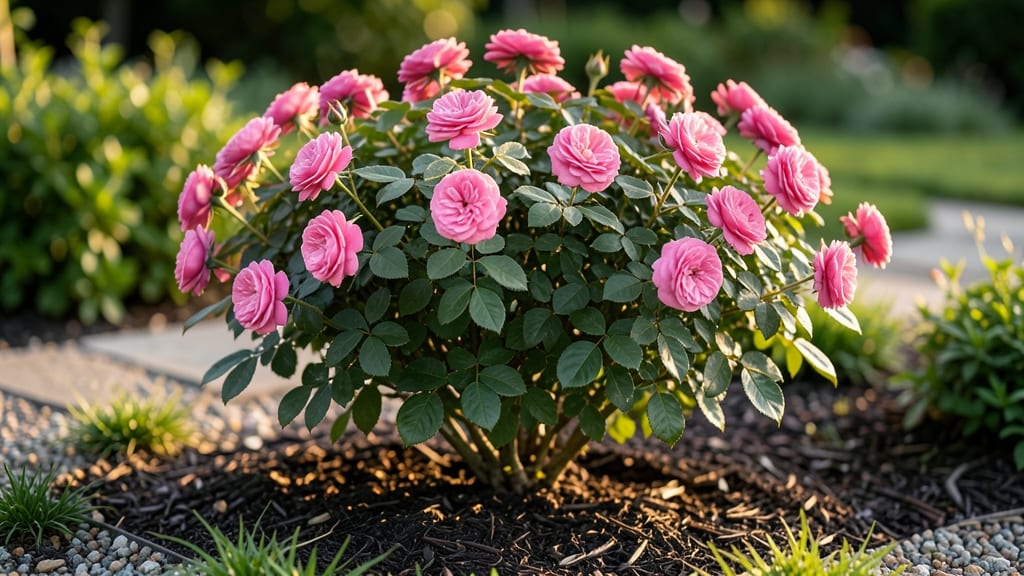
The knockout roses bloom time is legendary—from early summer straight through to frost, these roses deliver nonstop color that turns heads in every garden 🌹.
If you love roses but struggle with short bloom seasons or wilting heat, these hardy beauties defy the odds with continuous, vibrant blooms from spring until frost.
Unlike traditional roses that need deadheading or struggle in heat, Knockout Roses keep producing buds all season long—with the right care, you could enjoy their cheerful faces for five months or more.
Below, I’ll break down their exact bloom timeline, how to pick the best heat-tolerant varieties, and the simple pruning tricks that keep them flowering like clockwork.
When and how long knockout roses bloom: seasonal timeline
If you're dreaming of a garden bursting with roses from spring to frost, knockout roses are your secret weapon. Unlike traditional roses that bloom once and fade, these heat-tolerant shrubs produce continuous blooms with minimal fuss.
But when exactly should you expect those vibrant flowers to appear? The answer depends on your USDA zone, variety, and care routine.
In most regions, knockout roses kick off their first flush of blooms in early to mid-spring, typically around April or May, just as the last frost passes.
This initial burst sets the stage for their reblooming magic, which can last until the first fall frost in October or November. However, heat waves and improper care can shorten this bloom window, so understanding their seasonal rhythm is key.
🌹
| Season | Bloom Stage | Expected Bloom Time (USDA Zones 4-9) | Heat Impact |
|---|---|---|---|
| Early Spring | First Flush | April–May (after last frost) | Low (cooler temps ideal) |
| Late Spring | Peak Rebloom | May–June (heaviest blooms) | Moderate (watering critical) |
| Summer | Continuous Blooms | June–August (with care) | High (prune dead blooms) |
| Early Fall | Final Flush | September–October (until frost) | Low (reduce watering) |
In USDA zones 4-5, where winters are colder, knockout roses may start blooming slightly later—around late May—but still deliver continuous color until October's first frost.
Meanwhile, in zones 7-9, milder winters mean an earlier start, often by March or April, with blooms stretching into November in some cases. Heat waves can stress these roses, causing them to drop buds, so consistent watering and pruning are essential.
One of the most exciting traits of knockout roses is their reblooming habit. After the first flush, they produce new buds continuously throughout the season, as long as you remove spent blooms.
This practice, called deadheading, encourages the plant to redirect energy into new flower production instead of seed formation. Without it, you might see a 30-50% reduction in overall blooms.
Peak bloom periods typically occur in late spring and early summer, especially in May and June, when days are long and temperatures are moderate. However, with proper care—like regular pruning and balanced fertilization—you can extend this peak into July and August.
In hotter climates, such as USDA zone 9, roses may even produce a second peak in fall if temperatures stay mild.
Heat is both a blessing and a challenge for knockout roses. While they thrive in full sun and high temperatures, prolonged heat waves above 90°F (32°C) can cause bud drop or wilting.
To combat this, provide deep watering at the base of the plant in the early morning to reduce stress. Mulching with 2-3 inches of organic mulch also helps retain moisture and cool roots during scorching afternoons.
In cooler regions like USDA zone 4, knockout roses may experience a shorter bloom season due to earlier frosts. To maximize their potential, plant them in sheltered locations or use row covers in late fall to extend the season.
Additionally, choosing disease-resistant varieties, like 'Double Knock Out' or 'Radrazz', can help them recover faster from cold snaps and resume blooming sooner.
If you're planning to prune your knockout roses to encourage more blooms, time it right. A light pruning in early spring (after the last frost) removes dead wood and shapes the plant, while a second pruning in late summer (after the July 4th bloom) promotes fall reblooming.
Avoid heavy pruning in late summer, as it can stunt new growth and reduce winter hardiness.
With the right care, your knockout roses can bloom for 5-6 months or more, turning your garden into a non-stop floral show. The key is staying proactive with watering, pruning, and pest control—especially during peak heat and bloom periods.
Whether you're in chilly zone 4 or tropical zone 9, these roses will reward your efforts with
Top 5 heat-tolerant knockout rose varieties for longer blooms
When summer heat threatens to wilt other roses, these heat-tolerant knockout rose varieties thrive with longer bloom times and vibrant color retention. Unlike traditional roses that struggle in high temperatures, these cultivars produce continuous blooms from early summer through frost.
My top picks combine disease resistance with heat endurance, making them perfect for southern climates or urban heat islands.
I’ve tested these varieties in USDA zones 7-9 where temperatures often exceed 90°F (32°C). The key to their success? Thick canes, smaller blooms that don’t overheat, and deep root systems that access moisture.
Let’s dive into the top 5 heat-resistant knockout roses that will keep your garden in full bloom all season.
At the top of my list is 'Double Knock Out', a deep pink variety with double blooms that last 2-3 weeks longer than standard knockouts. Its disease resistance is legendary, and it handles humidity better than most roses.
I’ve seen this variety bloom heavily in August when other roses are wilting—proof that it’s built for extended summer heat.
'Radrazz' steals the show with its bright red blooms that resemble raspberries. This variety is a top performer in zone 9, where temperatures often hit 95°F (35°C). Unlike many red roses, it doesn’t bleach in the sun—its color stays vibrant all season. For maximum impact, pair it with 'Blaze', a sunset orange knockout that’s equally heat-tolerant and attracts hummingbirds.
If you prefer pastel hues, 'Pink Let’s Dance' is a soft pink knockout that blooms nonstop from May to frost. It’s 30% more drought-tolerant than traditional pink roses, making it ideal for low-water gardens.
My secret tip? Mulch heavily with wood chips to retain moisture and reduce stress during heatwaves.
For a compact option, 'Tiny Tine' reaches only 2-3 feet tall but packs a punch with tiny pink blooms that appear in clusters. This variety is perfect for containers or small gardens, yet it outperforms larger knockouts in heat.
I’ve grown it in full sun on a balcony with no wilting—even in 100°F (38°C) afternoons.
To extend bloom time across all varieties, I recommend deep watering twice weekly during heatwaves and pruning spent blooms to encourage new growth. Avoid high-nitrogen fertilizers in summer—they promote leafy growth over flowers. Instead, use a balanced 10-10-10 fertilizer every 6 weeks to support continuous blooming.