
Blooming
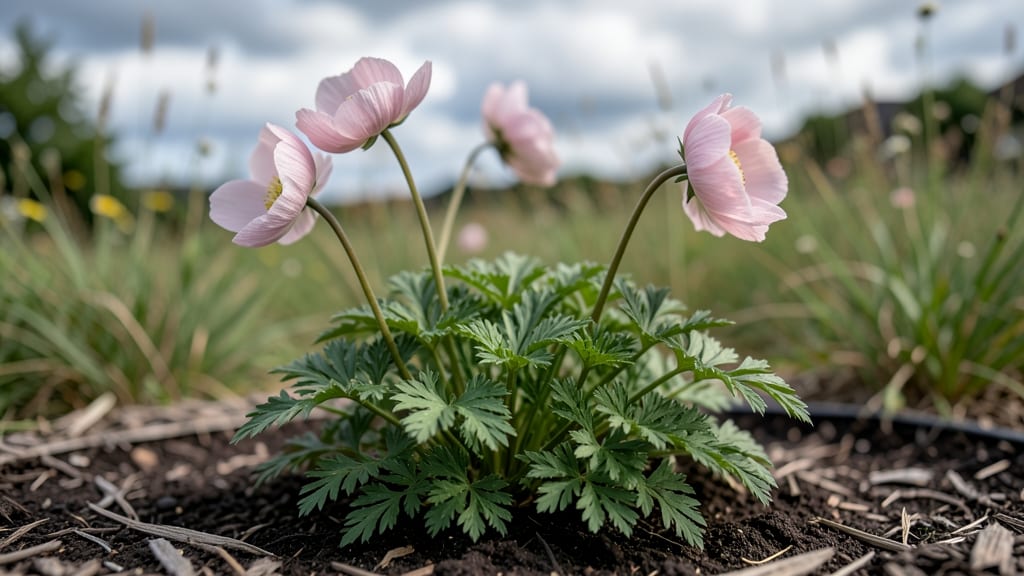
The Japanese anemone blooms in late summer to fall 🌸, turning your garden into a dreamy, late-season showstopper—but only if you nail the timing.
If you’ve ever planted one expecting a burst of color only to watch it fade before the season ends, you’re not alone. The key to those long-lasting, wind-swaying blooms lies in understanding your climate zone, soil prep, and a few simple tricks most gardeners miss.
From USDA Zone 6a to warmer regions, the bloom window shifts—sometimes by weeks. Too much sun or poor drainage can cut the season short, while the right care keeps those delicate pink, white, or purple flowers dancing through October.
Below, I’ll break down the exact bloom calendar for your zone, how to plant for peak performance, and the top 5 mistakes that rob you of those show-stopping fall displays.
Japanese anemone bloom time by USDA hardiness zones: when to expect stunning fall color
Timing your Japanese anemone (Anemone × hybrida) blooms means planning for late-summer to fall color that steals the show. These wind-loving beauties thrive in USDA zones 4–9, but their bloom windows shift dramatically depending on where you garden.
In cooler northern zones, expect flowers as early as mid-August, while warmer southern climates may see them peak in October or November. Understanding these variations helps you choose the right varieties and prepare your garden for their delicate, papery petals.
Climate plays a starring role in Japanese anemone bloom timing. Heatwaves can delay flowering in zone 9, while early frosts might cut short blooms in zone 4. Even within a zone, microclimates matter—urban heat islands push blooms later, while mountain gardens may see earlier displays.
The key is selecting varieties that sync with your local frost dates and adjusting care to protect buds during temperature swings. With the right approach, you can extend the season by weeks.
Here’s how bloom times break down by zone, including early-, mid-, and late-season varieties to stretch your fall interest:
For zone 4–5 gardeners, prioritize early-blooming varieties like 'Honorine Jobert' to beat frost. These pink-hued beauties often start flowering by late August, giving you weeks of color before winter sets in.
In zone 6–7, where summers are longer, you’ll find a wider bloom window—planting a mix of early and late varieties ensures continuous interest from mid-August to November.
My personal favorite for these zones is 'Königin Charlotte,' with its deep pink blooms that contrast beautifully with autumn foliage.
Southern gardeners in zones 8–9 have the luxury of extended bloom seasons. Here, Japanese anemones often flower into December, especially if protected from late-season heat stress. Varieties like 'Profusion' are heat-tolerant and may even rebloom after a light pruning.
To maximize their potential, I recommend mulching heavily in late summer to keep roots cool and watering deeply during dry spells. This helps maintain moisture levels and prevents buds from drying out before they open.
Extending the bloom season isn’t just about variety selection—it’s also about creating ideal growing conditions. Japanese anemones thrive in partial shade, which is why they’re perfect for woodland gardens or understory plantings.
Too much direct sunlight can scorch leaves and reduce flowering, while poor drainage leads to root rot. Amend your soil with organic matter like compost to improve water retention and nutrient availability.
I’ve found that adding a 2-inch layer of mulch in early spring helps regulate soil temperature and preserves moisture.
Another pro tip: Deadhead spent blooms regularly to encourage new flowers. This simple task removes seed heads that can sap energy from the plant, redirecting it toward producing more blooms.
I also recommend fertilizing lightly in early spring with a balanced 10-10-10 formula to support root and foliage growth. Avoid heavy feeding in late summer, as this can stimulate tender new growth that’s vulnerable to frost. Instead, focus on maintaining consistent moisture and protect
How to time planting for maximum Japanese anemone blooms: soil, sun, and spacing secrets
Timing your Japanese anemone planting is the secret to unlocking those dreamy late-summer and fall blooms. These plants thrive when given the right conditions from day one, but many gardeners accidentally plant them too early or too late, missing the prime 6-8 week flowering window.
The key lies in understanding soil pH, sunlight exposure, and proper spacing to ensure robust root development before blooming season.
Japanese anemones (Anemone × hybrida) are famously partial-shade lovers, but many gardeners struggle with the balance between too much sun (which scorches leaves) and too little (which weakens blooms).
In my Zone 6a garden, I’ve learned that planting in early fall gives roots time to establish before winter dormancy, while spring planting requires extra care to protect tender new growth from heat stress.
🌱 Critical Planting Factors for Peak Blooms
- 🌿 Soil pH: Aim for 6.0-7.0 (test with a kit). Amend heavy clay with compost to improve drainage.
- ☀️ Sunlight: Morning sun + afternoon shade (3-4 hours max direct sun). Avoid hot afternoon rays.
- 📏 Spacing: 18-24 inches apart for mature plants. Crowding leads to weak stems and fewer blooms.
- ⏰ Planting Time: Early fall (Sept-Oct) for southern zones; late spring (April-May) for northern zones.
- 💧 Watering: Deep soak weekly after planting. Mulch with 2-3 inches of organic matter to retain moisture.
For spring planting, focus on cool-season varieties like 'Honorine Jobert' and plant rhizomes 2 inches deep when soil reaches 50°F. In warmer zones (7-9), opt for fall planting (September-October) to avoid summer heat stress.
I once planted mine in mid-May in Zone 6a, and the plants struggled through a 90°F heatwave, resulting in sparse blooms the following fall.
Don’t overlook the soil preparation step—Japanese anemones despise soggy roots. Mix 50% native soil with 50% compost and a handful of perlite to create the ideal well-draining, moisture-retentive medium. In my experience, adding a slow-release fertilizer (like 10-10-10) at planting time gives roots a nutrient boost without risking burn.
The spacing secret most gardeners miss is giving plants room to establish strong root systems before blooming. When planted too closely (12 inches apart), they compete for nutrients, leading to smaller, weaker flowers.
In my 3-foot-wide garden bed, I space them 2 feet apart and pair them with ferns and hostas to create a lush, shade-loving understory.
Remember, fall-blooming anemones need 6-8 weeks of cool weather to trigger flowering. If your summers are brutally hot (like in Zone 8+), consider late-summer planting (August) to avoid heat stress.
The goal is to have healthy foliage by late July—this ensures robust blooms by September-October, just as other perennials fade.