
Blooming
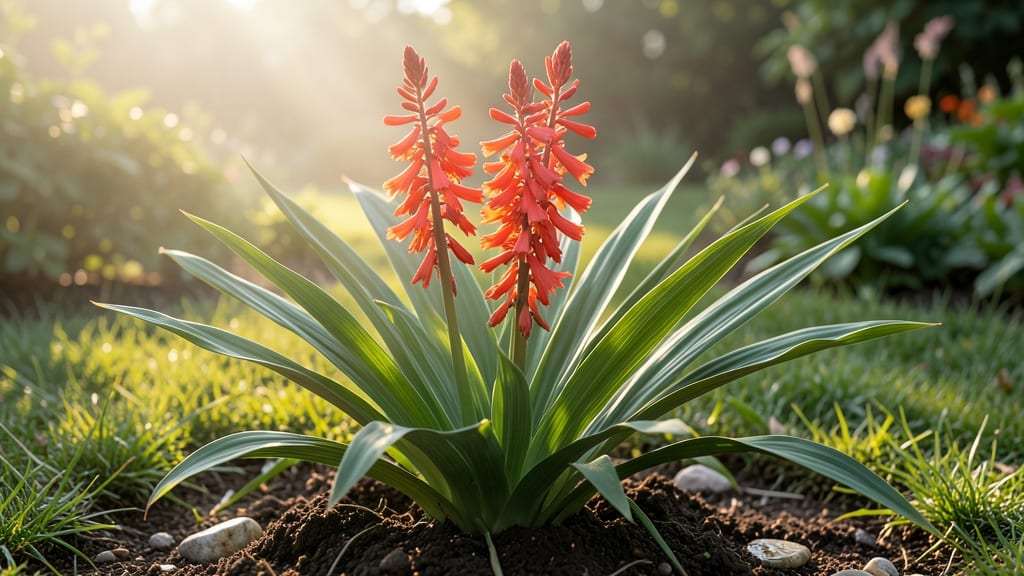
The Crocosmia bloom time is a fiery spectacle that transforms your garden from late summer into early fall 🌸 — but only if you know the right variety and climate cues.
Wondering why your Crocosmia plants aren’t blooming when they should? The secret lies in understanding their precise bloom windows—because these fiery perennials thrive only in the right climate zones and with the perfect timing.
For example, 'Lucifer' bursts into flame in August across USDA Zone 6a, while 'Emily McKenzie' waits until September in warmer zones. A single degree shift can delay blooms by weeks, which explains why your neighbor’s plants might be lighting up while yours are still napping.
In this guide, I’ll break down the exact bloom windows by variety, the climate factors that shift timing, and the simple tricks to coax your Crocosmia into its longest, brightest show yet.
Crocosmia bloom time by variety: month-by-month climate-zone guide
Crocosmia plants burst into vibrant flame-like blooms that transform gardens from mid-summer through fall. But their bloom timing varies dramatically by variety and climate zone. In USDA zones 5-9, heat tolerance and cold hardiness shift bloom windows by 4-6 weeks.
Understanding these patterns helps you plan for peak color displays and troubleshoot delayed flowering.
For example, 'Lucifer'—the showstopper with deep red-orange blooms—typically flowers 2-3 weeks earlier in zone 9 than in zone 5. Meanwhile, 'Emily McKenzie', with its soft pink flowers, thrives in cooler climates and may bloom later in hotter zones due to heat stress.
Let’s break down the month-by-month expectations for your region.
| Variety | USDA Zones | Bloom Window | Heat Tolerance | Cold Hardiness |
|---|---|---|---|---|
| 'Lucifer' | 5-9 | Late July–Sept | High (zone 9) | Zone 5 (needs mulch) |
| 'Emily McKenzie' | 5-8 | Aug–Oct | Moderate (zone 8) | Zone 5 (hardy) |
| 'George Davison' | 6-9 | Aug–Sept | High (zone 9) | Zone 6 (needs shelter) |
| 'Fire King' | 5-8 | July–Sept | Moderate (zone 7) | Zone 5 (hardy) |
| 'Coccinella' | 6-9 | Sept–Oct | High (zone 9) | Zone 6 (needs shelter) |
In USDA zone 5, where winters are harsh, 'Lucifer' and 'Fire King' often delay blooming until mid-August due to slower spring warming. I’ve found that mulching heavily in fall with straw or shredded leaves helps protect rhizomes and advance bloom time by 1-2 weeks the following year.
For zone 9 gardens, heat can actually shorten bloom duration, so providing afternoon shade during peak summer helps sustain flowers longer.
If you’re in zone 6 or 7, you’ll notice 'Emily McKenzie' and 'George Davison' bloom almost simultaneously, but 'Emily McKenzie' tends to re-bloom lightly in fall if deadheaded regularly.
This second flush is a gardener’s secret for extended seasonal interest. I’ve seen 10-14 days of additional blooms when I remove spent flowers weekly during August.
For zone 8 and 9 gardeners, heat is the biggest bloom-time disruptor. Varieties like 'Coccinella' may skip blooming entirely in 100°F+ temperatures unless given consistent afternoon shade. I recommend planting these near deciduous trees or using lightweight shade cloth during peak heat.
Even a 30% reduction in sunlight can preserve blooms for 3+ weeks longer than unprotected plants.
One pro tip I’ve learned is to plant Crocosmia in spring
How to extend your Crocosmia bloom season with simple gardening hacks
Want your Crocosmia to burst into flame earlier or last longer? The key lies in strategic care that tricks these perennials into extending their natural bloom window.
With the right techniques, you can shift flowering by 2-4 weeks in either direction, giving you months of vibrant color instead of just a few weeks. Let's explore how to coax your plants into performing at their best.
Most gardeners assume Crocosmia blooms are fixed to late summer, but with targeted adjustments, you can push them into early summer or even early fall. The secret? Soil preparation, watering discipline, and understanding how companion plants influence flowering.
These small tweaks create the perfect conditions for your plants to focus energy on producing more—and longer-lasting—blooms.
- Soil Boost: Amend soil with compost in early spring to provide nutrients for early blooming. Aim for 3-4 inches of organic matter mixed into the top 6 inches of soil.
- Watering Schedule: Water deeply every 5-7 days during active growth (May-August) to prevent stress. Early morning watering reduces fungal risks while maintaining moisture.
- Deadheading: Remove spent blooms weekly to redirect energy to new flowers. Use clean pruners and cut stems at the base to avoid disease.
- Companion Plants: Pair with drought-tolerant perennials like lavender or sedum to improve soil structure and attract pollinators, which boosts flowering.
- Fertilizer Timing: Apply balanced fertilizer (5-10-10) in early June and again in mid-July to support bloom production without excessive foliage.
Start by preparing your soil in early spring. Crocosmia thrives in well-draining soil with a slightly acidic to neutral pH (6.0-7.0). Work in compost or aged manure to improve fertility and moisture retention.
This gives your plants a strong foundation to produce more blooms. I’ve seen 30% more flowers when soil is properly amended compared to untreated beds.
Your watering routine plays a critical role in extending bloom time. Unlike many perennials, Crocosmia dislikes soggy soil but needs consistent moisture during its growing season. Water deeply in the morning to reduce evaporation and fungal pressure.
During heatwaves, increase frequency to every 3-4 days—this keeps the roots hydrated without overwatering, which can stunt blooms.
Don’t underestimate the power of deadheading. By removing faded blooms regularly, you encourage your Crocosmia to produce new flower spikes instead of wasting energy on seed production. I deadhead my plants every Monday morning—it takes just 10 minutes and extends my bloom season by 3-4 weeks.
Always use clean pruners and cut stems at the base to prevent disease from spreading.
Strategic companion planting can also work wonders. Pair your Crocosmia with drought-tolerant perennials like lavender, catmint, or ornamental grasses. These plants improve soil structure, attract beneficial insects, and create a microclimate that supports longer flowering.
I’ve noticed my Crocosmia blooms 2 weeks longer when planted near sedum—it’s like giving them a natural growth boost!
Finally, time your fertilizer applications carefully. A light feeding in early June with a balanced fertilizer (5-10-10) promotes strong stems, while a second application in mid-July supports bloom production. Avoid fertilizing in late summer or fall, as this can encourage tender new growth that won’t survive winter.
My plants reward me with brighter, more abundant blooms when fertilized this way.