
Blooming
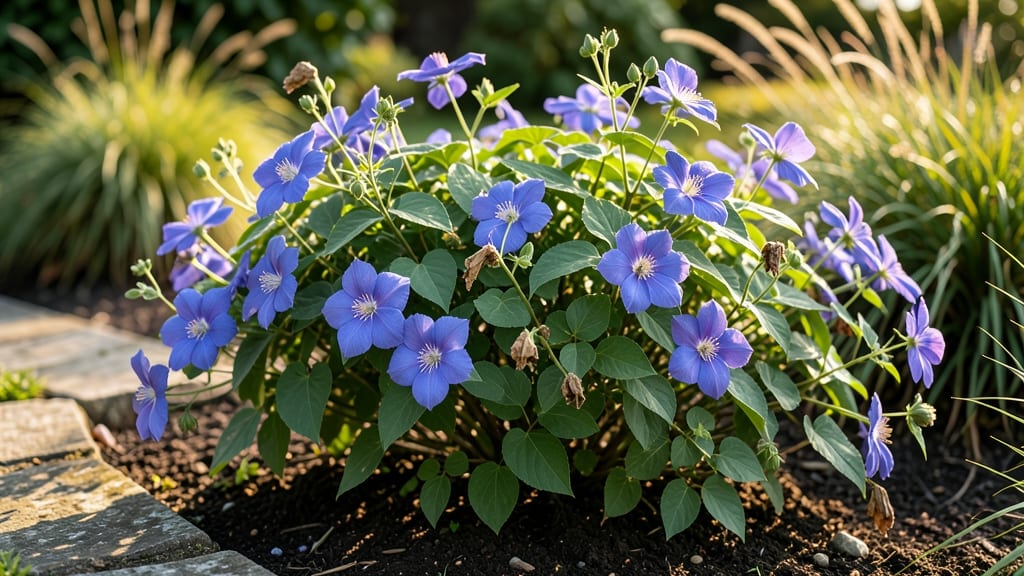
Watching your Jackmanii clematis burst into stunning purple blooms is a gardener’s dream—but timing is everything. If you’ve ever wondered when these vigorous vines will transform your garden into a floral spectacle, you’re in the right place.
In USDA Zone 6, where the last frost typically arrives by mid-April, Jackmanii clematis usually begins flowering in May or June, depending on warmth and sunlight. Cooler climates may see blooms slightly later, while warmer regions can enjoy an earlier show.
Below, I’ll break down the exact seasonal cues to expect, how climate affects bloom time, and the simple care tricks to keep those vibrant flowers coming all summer long.
Jackmanii clematis bloom time: seasonal patterns and climate influence
If you’ve planted Jackmanii clematis hoping for a summer floral show, timing is everything. This late-spring to summer bloomer typically bursts into vibrant purple stars between June and August, but exact timing depends on your USDA climate zone and growing conditions.
Understanding these patterns helps you plan your garden layout and care routine for maximum impact.
The Jackmanii clematis is a Group 3 clematis, meaning it blooms on current season’s growth rather than old wood. This makes its bloom time highly responsive to spring warmth and sunlight exposure.
In USDA Zone 6, where many gardeners live, you can expect blooms to appear around late June, while in warmer zones (7-9), they may start as early as May.
Here’s how climate and sunlight influence bloom timing for your Jackmanii clematis:
| Climate Factor | Effect on Bloom Time | Garden Action |
|---|---|---|
| USDA Zone 4-5 | Blooms late July to August due to cooler springs. | Plant in south-facing walls for extra warmth. |
| USDA Zone 6-7 | Peak blooms in June to early August. | Ensure 6+ hours of sun daily. |
| USDA Zone 8-9 | Early blooms in May to June; may rebloom in fall. | Provide afternoon shade in extreme heat. |
| Sunlight: Full Sun | Triggers earlier and longer blooms. | Use trellis or arbor for vertical support. |
| Sunlight: Partial Shade | Delays blooms by 2-3 weeks. | Choose morning sun spots. |
| Soil Moisture | Consistent watering = larger blooms. | Mulch to retain moisture and cool roots. |
In Southern gardens (Zones 8-9), Jackmanii clematis often kicks off its purple bloom parade as early as May, thanks to milder winters and longer growing seasons. These regions may even see a second flush of blooms in fall, especially if temperatures remain mild.
However, heatwaves above 90°F can stress the plant, causing buds to drop prematurely.
For Northern gardeners (Zones 4-6), patience is key. The vines may not show significant blooms until late July, as they prioritize foliage growth during cooler springs. To encourage earlier blooms, plant your Jackmanii clematis near a south-facing wall or fence to absorb reflected heat.
This microclimate trick can advance bloom time by 2-4 weeks.
Sunlight is the secret weapon for triggering Jackmanii clematis blooms. These vines thrive with 6+ hours of direct sunlight, but they’ll tolerate partial shade in hotter climates. If your garden only offers morning sun, position the trellis to catch those golden hours before noon.
Avoid deep shade, which can delay or reduce blooms entirely.
Did you know? Jackmanii clematis can sometimes produce a few late-season blooms in fall if temperatures stay mild. To maximize this, prune lightly in early summer to encourage new growth. Just avoid heavy pruning after June 1st, as this can cut off potential fall blooms.
A light pinch-back of leggy stems in late spring often stimulates bushier growth and more flowers.
Regional variations also play a role. In Pacific Northwest gardens, where summers are cool and damp, Jackmanii clematis may bloom later but longer, stretching from July to September.
Meanwhile, in Southeastern states, the blooms might appear earlier but fade faster due to summer humidity and heat stress. Always monitor your plant’s response to local conditions and adjust care accordingly.
To ensure your Jackmanii clematis delivers its best bloom performance, pair its late spring planting with a well-draining, nutrient-rich soil. Amend heavy clay soils with compost or sand to prevent root rot, which can stunt growth and delay blooms.
Once established, these vines are surprisingly drought-tolerant, but consistent watering during bud formation (May-June) leads to larger, more abundant flowers.
Watch for bud formation in early spring—this is your first sign that blooms are on the way! If you notice fewer buds than expected, check for nutrient deficiencies (especially phosphorus) or over-pruning.
A balanced fertilizer (5-10-10) applied in early spring gives your clematis the boost it needs for a show-stopping summer display. 🌸
How to extend Jackmanii clematis bloom time with pruning and care
Your Jackmanii clematis can produce breathtaking purple blooms from early summer through fall—but only if you follow the right care routine. The key lies in Group 3 pruning (hard pruning) combined with strategic fertilizing and seasonal adjustments. Skipping these steps often leads to shorter bloom periods or weak flowers.
First, understand that Jackmanii clematis thrives on late-winter pruning to encourage vigorous new growth. Unlike early bloomers, this variety relies on fresh stems for its stunning displays. Let’s break down the exact steps to maximize your vine’s flowering potential.
Step-by-Step Guide to Extending Bloom Time
- 1 Prune in late winter (February-March) – Cut back all stems to 12-18 inches above ground. This stimulates fresh growth that will produce stronger blooms later.
- 2 Fertilize in early spring (March) – Use a balanced 5-10-10 fertilizer to encourage leafy growth. Apply 1 tbsp per plant when new shoots emerge.
- 3 Support the vine early – Install a trellis or arbor before growth spikes in spring. Weak support leads to floppy stems and fewer blooms.
- 4 Water deeply in summer – Aim for 1 gallon per week during dry spells. Morning watering prevents fungal issues and keeps roots hydrated for prolonged blooming.
- 5 Deadhead spent blooms – Remove faded flowers in late summer to redirect energy into new buds for a second flush of blooms.
- 6 Mulch in fall (October) – Add 3 inches of mulch to protect roots and retain moisture. This prepares the plant for next year’s growth.
One common mistake gardeners make is pruning at the wrong time. If you cut back Jackmanii clematis in summer or fall, you’ll sacrifice next year’s blooms.
Always wait until late winter when the plant is dormant. Another pitfall is over-fertilizing with nitrogen, which promotes leafy growth at the expense of flowers.
For extended bloom time, pair your pruning with regular deadheading throughout the season. This simple task encourages your clematis to produce new flower buds continuously. Pair it with consistent watering and you’ll enjoy those vibrant purple stars well into autumn.
With these steps, your Jackmanii clematis can bloom for 3-4 months instead of just a few weeks. The secret? Timing, support, and balance—just like a well-orchestrated garden symphony. 🌸