
Blooming
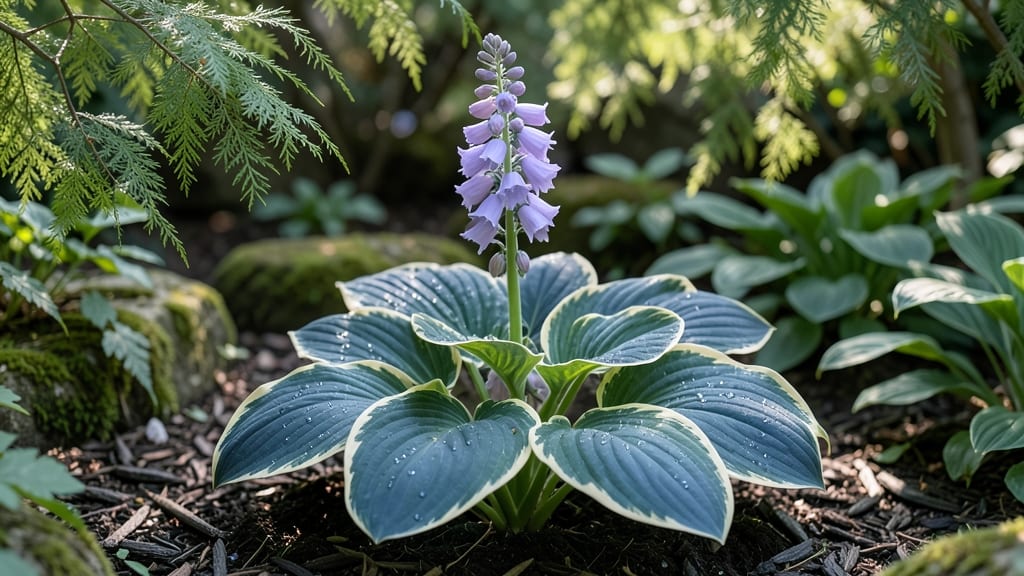
Hosta bloom time depends on your climate zone and the variety you’ve planted, but most send up their flower spikes between late spring and early summer—think June for cooler regions, May for warmer ones.
Wondering why your hostas aren’t blooming—or when to expect those stunning flower spikes? Timing is everything, and hosta bloom time varies dramatically by climate zone, plant variety, and care habits.
In USDA Zone 6a, where many gardeners live, blooms typically appear in June, but Pacific Northwest varieties might start as early as May, while Southern hostas can push flowers into July. The right balance of shade, soil, and nutrients keeps them on schedule.
Below, I’ll break down the exact months to watch for blooms in your area, how to coax longer flower spikes, and what to do after the blooms fade so your hostas 🌿 put on an even better show next year.
Hosta bloom time by climate zone: when to expect flowers
Hostas are prized for their lush foliage, but their delicate lavender or white flower spikes add a magical touch to shady gardens. The bloom time varies wildly depending on your USDA climate zone, local microclimates, and even the specific hosta variety.
In cooler northern zones, blooms often arrive early, while warmer southern regions may see extended flowering periods. Let’s break down what to expect where you garden.
Understanding these seasonal patterns helps you plan your garden layout, choose complementary plants, and provide the right care to encourage those showstopping flower spikes. For example, early bloomers like 'Blue Angel' might flower in late spring, while late-season varieties like 'Halcyon' can extend blooms into early fall.
Regional variations also play a role—hostas in the Pacific Northwest often bloom earlier than those in the Deep South.
Here’s a quick reference for hosta bloom windows across USDA zones 3-9, including regional adjustments for coastal vs. inland climates and humid vs. arid conditions.
In USDA zones 3-4, hostas typically bloom in mid to late June as the soil warms. Varieties like 'Francee' and 'Guacamole' are early bloomers, while 'Royal Standard' often extends the show into July. The cooler temperatures in these zones can delay blooming until the ground thaws completely.
Gardeners in zones 5-6 enjoy the longest bloom window, from late May to early July. This is prime time for 'Halcyon' and 'Patriot', which thrive in moderate climates. In these zones, hostas often produce more abundant flowers due to balanced day lengths and temperatures.
If you’re in the Midwest or Northeast, expect blooms to align closely with these timelines.
For those in zones 7-8, hostas can bloom as early as April in mild winters, with some varieties like '
How to extend hosta bloom time with proper care
Hostas are prized for their lush foliage, but their delicate lavender flower spikes add a magical touch to shady gardens. If you're dreaming of longer bloom seasons, the secret lies in understanding your hosta’s needs.
Most varieties bloom for just 2-3 weeks, but with the right care, you can coax them into flowering for 4-6 weeks—or even encourage second blooms!
The key to extending bloom time starts with sunlight exposure. While hostas thrive in shade, they need at least 3-4 hours of morning sun to set flower buds.
Too much shade delays blooming entirely, while afternoon sun can scorch their leaves. Finding that sweet spot is where the magic happens.
- 1. Sunlight Strategy: Gradually increase morning sun exposure by 1 hour per week in spring to prep for blooming.
- 2. Watering Schedule: Deep water 2-3 times per week during bloom season (May-July) to prevent stress.
- 3. Fertilizer Boost: Use a balanced 10-10-10 fertilizer in early spring, then switch to low-phosphorus (5-10-10) when buds form.
- 4. Pruning Tips: Deadhead spent blooms immediately to redirect energy to new flower spikes. Avoid cutting foliage until after blooming.
- 5. Variety Matters: Blue Angel and Halcyon varieties bloom 2 weeks longer than average with proper care.
Don’t overlook the power of consistent moisture—hostas wilt quickly when thirsty, and stressed plants skip blooming entirely. I’ve found that mulching with shredded bark retains moisture while keeping roots cool, which is especially critical during late spring heat waves.
Aim for 1-2 inches of mulch around the base, but avoid piling it against the crown.
For second blooms, try this trick: After the first flush of flowers fades, give your hostas a light feeding of compost tea in early August. This jumpstarts new growth just as daylight hours shorten, often triggering a second, smaller bloom cycle in fall.
Just be sure to remove any yellowing leaves first—they’re a sign of nutrient drain.
Finally, pruning after blooming is non-negotiable. Wait until late summer (after Labor Day) to trim back any damaged or overcrowded foliage. This gives your hosta time to replenish energy stores for next year’s blooms.
Pro tip: Save seeds from your favorite varieties—they often retain parent plant traits, including longer bloom times!
With these adjustments, you’ll transform your hostas from brief bloomers to season-long stars. The best part? These same techniques also boost foliage health, making your shade garden even more lush. Happy gardening! 🌿✂️💧