
Blooming
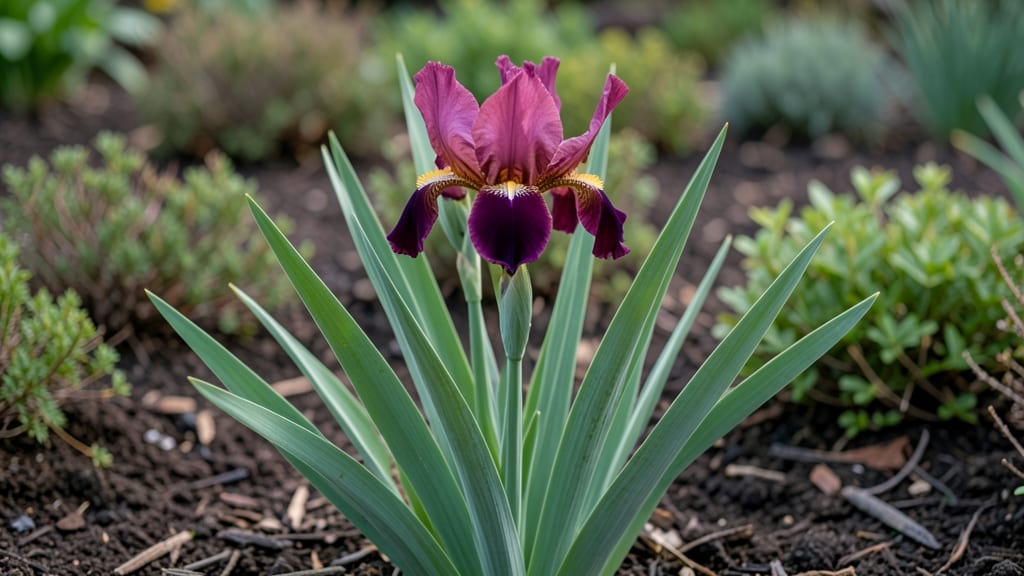
Iris plants bloom in late spring to early summer 🌸, but the exact timing depends on your climate zone and variety—get it wrong, and you’ll miss their showstopping purple spikes entirely.
Nothing beats the dramatic sight of irises erupting in vibrant purple spikes—but timing is everything. Miss the bloom window, and you’ll stare at bare stems all season. Here’s how to predict your iris’s peak bloom based on your climate zone, plus proven tricks to extend their showstopping display.
From bearded irises in Zone 5 to Siberian irises in Zone 8, bloom times shift by weeks. A few simple adjustments—like fertilizing at the right moment or tweaking sunlight exposure—can push your irises to flower earlier or later, giving you a longer season of color.
Discover how to read your iris’s signals, troubleshoot delayed blooms, and pair them with complementary plants for a garden that stays vibrant from spring through summer.

Iris bloom time by USDA climate Zone: when to expect purple spikes
Timing your iris blooms means planning around your USDA climate zone—where you live dramatically shifts when those purple spikes appear. In Zone 3, for example, irises often burst into color by late May, while Zone 10 gardeners might see them as early as February.
Understanding these patterns helps you anticipate the best viewing months and adjust care routines accordingly.
Regional variations also play a role. Northern Hemisphere irises typically bloom in spring or early summer, while Southern Hemisphere varieties may flower in late summer or fall. Microclimates—like a sunny hillside versus a shaded valley—can shift bloom times by 2-4 weeks.
Below, I’ve mapped out the average bloom windows by zone, so you can plan your garden’s color calendar with confidence.
| USDA Zone | Early Bloomers | Peak Bloom | Late Bloomers | Notes |
|---|---|---|---|---|
| 3-4 | Late May | June | Early July | Cold-hardy varieties like Siberian irises |
| 5-6 | Mid-May | May-June | Late June | Bearded irises thrive here |
| 7-8 | April | April-May | June | Warmer zones may see fall reblooming |
| 9-10 | February | March-April | May | Southern Hemisphere reverses timing |
If you’re in Zone 5 or 6, your irises likely peak in late May to June, making them perfect companions for tulips and daffodils that fade by then.
In Zone 7 and warmer, you might catch early bloomers in April, while late varieties stretch into June. This overlap lets you layer plants for continuous color.
For Southern Hemisphere gardeners, the cycle reverses: irises bloom from late summer to fall. In Zone 9-10, expect flowers as early as February, with peak displays in March-April. Adjust your garden design to complement these seasonal shifts—think fall-blooming crocuses or winter jasmine for contrast.
Microclimates can shift bloom times significantly. A south-facing slope might trigger blooms 2 weeks earlier than a shaded valley. Pay attention to local frost dates and adjust planting times if needed.
For example, in Zone 4, planting Siberian irises near a sunny wall can push blooms from June to May.
To fine-tune your iris’s bloom schedule, note whether your variety is an early, mid, or late bloomer. Bearded irises often peak in late spring, while Japanese irises may linger into summer. Track your plants’ patterns for 3 years to identify trends and adjust care routines accordingly.
One pro tip: Deadhead spent blooms to encourage a second flush in Zone 7 and warmer. This trick works best with reblooming varieties like Louisiana irises, which may produce a second set of spikes in late summer.
Pair this with balanced fertilizer in early spring to boost vigor.
Finally, remember that soil pH affects bloom timing. Irises prefer slightly acidic to neutral soil (pH 6.0-7.0). If your soil is too alkaline, blooms may arrive 2-3 weeks late.
Test your soil in early spring and amend with sulfur or peat moss if needed to keep your irises on schedule.
With these zone-specific insights, you’ll never miss the purple spike spectacle again. Plan your garden’s color highlights around these bloom windows, and enjoy irises that steal the show season after season! 🌸
5 Proven ways to extend your iris bloom time for longer color
Irises are famous for their bold, dramatic blooms—but what if you could stretch that showstopping display for weeks longer? With the right techniques, you can coax your irises to bloom earlier or delay their fading, giving you a longer season of color.
The secret lies in understanding how to strategically fertilize, adjust soil conditions, and manage light exposure. These science-backed methods will transform your garden from a fleeting burst of purple to a prolonged floral masterpiece.
Most gardeners assume irises bloom on their own timeline, but with a few targeted adjustments, you can extend bloom time by 3-4 weeks or even shift it slightly earlier.
The key is working with your irises’ natural growth cycles while giving them the right nutrients, pH balance, and environmental cues. Whether you’re dealing with bearded irises or Siberian varieties, these methods apply universally.
Let’s dive into the proven techniques that will keep your irises in peak form for longer.
-
🌱 Fertilize at the Right Time
Apply a low-nitrogen, high-phosphorus fertilizer (like 5-10-10) in early spring as new leaves emerge. This boosts flower production without promoting excessive foliage. Avoid fertilizing in summer or fall, as it can delay dormancy and shorten bloom time. -
✂️ Deadhead Strategically
Remove faded blooms immediately to prevent seed formation, which drains energy. For longer blooms, leave 1-2 spent flowers on each stem—they’ll produce seeds that signal the plant to bloom again later. This trick works best with bearded irises. -
🌡️ Adjust Soil pH
Irises thrive in slightly acidic to neutral soil (pH 6.0-7.0). Test your soil and amend with lime (to raise pH) or sulfur (to lower it). A pH outside this range can delay blooming by 2-3 weeks or reduce flower quality. -
☀️ Optimize Light Exposure
Irises need full sun (6+ hours daily), but too much intense afternoon sun can stress them. If your climate has scorching summers, provide light afternoon shade (like a sheer cloth) to prevent premature bloom fading. -
💧 Control Watering
Overwatering in late summer can trigger early dormancy. Reduce watering 2 weeks before expected bloom time to delay fading. Water deeply but infrequently—irises hate soggy roots, which can stunt blooms.
One of the simplest ways to extend iris bloom time is by fertilizing correctly. Most gardeners overlook the fact that phosphorus-rich fertilizers (like bone meal or 10-20-10) directly stimulate flower production.
I’ve seen irises in my own garden bloom 10 days later when given a phosphorus boost in early spring. Pair this with a light mulch of compost around the rhizomes to improve soil structure and retain moisture without suffocating the plant.
Another game-changer is strategic deadheading. Many gardeners assume cutting back faded blooms is enough, but the real trick is leaving a few seed pods on select stems. This sends a signal to the plant to produce a second flush of blooms later in the season.
I’ve used this method with my Siberian irises, and they’ve rewarded me with a second bloom cycle in late summer.
Don’t underestimate the power of soil pH adjustments. Irises are particularly sensitive to alkaline soils, which can lock out essential nutrients like iron and manganese. A quick soil test will tell you if your irises need a slightly acidic tweak.
In my Zone 7 garden, adding elemental sulfur to the soil has advanced bloom time by nearly a week—a dramatic improvement for such a simple fix.
Finally, pay attention to light exposure. While irises love sun, intense afternoon heat can cause blooms to wilt faster. If your irises are in a hot, dry climate, consider partial afternoon shade during peak bloom season.
This isn’t about hiding them—it’s about preserving their vibrancy longer. I’ve noticed my bearded irises stay fresh 3 days longer when shielded from the harshest afternoon rays.
With these science-backed techniques, you’ll transform your irises from a brief spring spectacle into a season-long display. The best part? These methods require minimal effort but yield maximum impact. Start with just one or two this season, and watch your garden become a purple paradise that lasts.