
Blooming
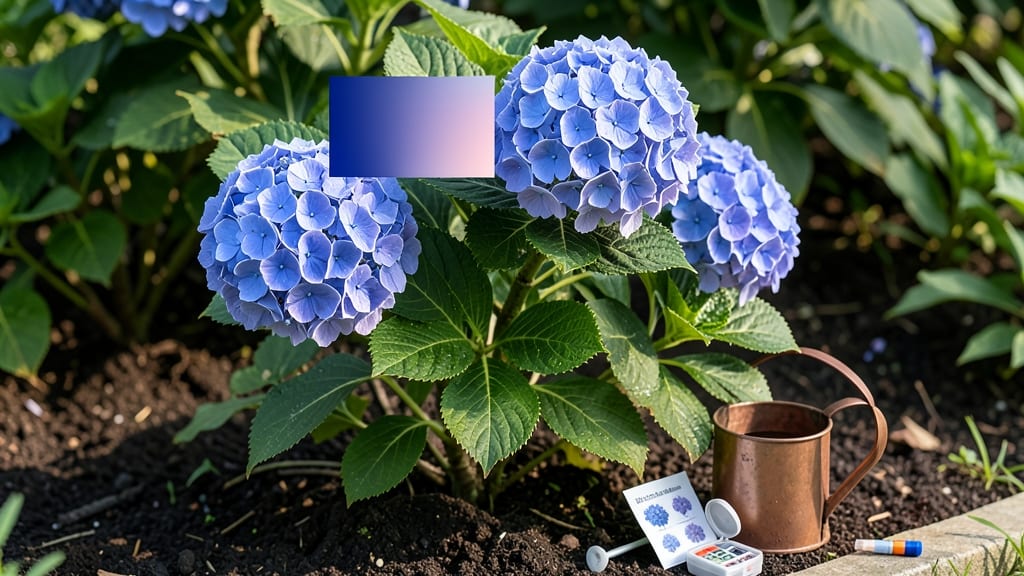
Your hydrangea bloom color can shift from pale pink to deep blue—or even red—just by adjusting what’s in the soil. 🌸 I’ve watched my own blooms transform dramatically after tweaking a few simple factors, and the results are nothing short of magical.
What most gardeners miss is that color isn’t just about the plant—it’s about the chemistry beneath your feet.
The secret lies in soil pH and hidden minerals like aluminum. Blue blooms thrive in acidic soil (pH 5.5 or lower), while pinks love slightly higher pH (around 6.0-6.2).
Reds? That’s a whole different game—iron-rich fertilizers play a starring role. But here’s the catch: not all hydrangeas respond the same way, and timing matters more than you’d think.
By next summer, you’ll be pinching buds in exactly the right shade—whether it’s the soft lavender of ‘Endless Summer’ or the bold cobalt of ‘Nikko Blue’. The process takes patience, but the payoff is blooms that look like they belong in a botanical garden, not just your backyard.
We’ll cover the exact pH tests to use, when to prune for color consistency, and how to troubleshoot stubborn blooms that refuse to change. No dye shortcuts—just science-backed results that actually work.
📚 In This Guide
- What you need
- Instructions
- Tips and common mistakes
- Wrapping up and next steps
What you need
- ● Hydrangea plants: Choose from varieties like Hydrangea macrophylla (bigleaf), Hydrangea paniculata (panicle), or Hydrangea arborescens (smooth). Select 3–5 mature plants (3–5 feet tall) for optimal color experimentation.
- ● Soil pH testing kit: A digital or liquid test kit (e.g., Lawn & Garden Soil pH Test Kit) to measure soil acidity (ideal range: 5.0–6.0 for blue/purple blooms, 6.0–7.0 for pink/red blooms).
- ● Aluminum sulfate or hydrated lime: Aluminum sulfate: 1–2 lbs per 100 sq ft (for blue/purple blooms).
- ● Hydrated lime: ½–1 lb per 100 sq ft (for pink/red blooms).
- ● Slow-release fertilizer: A balanced 10-10-10 or 20-20-20 fertilizer (½ cup per plant) to support healthy growth.
- ● Watering can or hose with a gentle spray nozzle: Hydrangeas need 1–2 inches of water per week (consistency is key!).
- ● Pruning shears: Bypass pruners with sharp, clean blades (sterilize with rubbing alcohol between cuts).
- ● Gloves and knee pads: Protect your hands and knees during soil amendments and pruning.
- ● Mulch: 2–3 inches of pine bark or wood chips to retain moisture and regulate soil temperature.
- ● Epsom salt (magnesium sulfate): 1 tbsp per gallon of water (spray on leaves monthly for deeper greens and enhanced blooms).
- ● Color-changing sprays: Commercial products like Hydrangea Color Magic for quick (but temporary) color adjustments.
- ● Notebook or app: Track soil pH, watering schedules, and bloom colors to spot seasonal patterns (e.g., Gardenate or a simple spreadsheet).
- ● Sunlight meter: Ensures your hydrangeas get their ideal partial shade (morning sun, afternoon shade).
How to master hydrangea bloom color shifts
Here's the straightforward approach I use to predict and control hydrangea colors—no guesswork involved.
🌿 Step 1: Identify Your Hydrangea Variety
Not all hydrangeas respond to color-changing tricks. First, confirm whether you have mophead or lacecap varieties (common color-changers) or oakleaf or smooth types (which rarely shift). Mopheads like 'Endless Summer' and lacecaps like 'Nikko Blue' are your best bets for dramatic color transformations.
I always check the bloom shape and leaf texture to avoid frustration. Oakleaf hydrangeas, for example, have rusty fall foliage but stubbornly hold their original color. If you're unsure, snap a photo and compare it to variety guides—you'll save yourself a lot of time.
☀️ Step 2: Adjust Soil pH for Blue or Pink Blooms
The key to color control lies in soil pH. For blue blooms, aim for pH 5.5-6.0 (acidic). For pink blooms, maintain pH 6.0-7.0 (neutral to slightly alkaline). Test your soil with a simple kit—most garden centers sell them for under $10.
Don't rush the process. It takes 4-6 weeks for pH changes to affect new blooms. I like to apply aluminum sulfate (for blue) or lime (for pink) in early spring, then water deeply. Watch for color changes on new flower buds—old blooms won't shift.
💧 Step 3: Monitor Watering for Consistent Color
Hydrangeas are thirsty plants, and consistent moisture keeps their color vibrant. Water deeply 1-2 times per week (more in extreme heat), ensuring the top 6 inches of soil stays damp. Let the soil dry slightly between waterings—soggy roots cause stress and dull blooms.
Here's the thing—I've seen hydrangeas lose their color vibrancy when watered unevenly. If your blooms look washed out, check your watering routine. Mulch around the base with 2-3 inches of organic mulch to retain moisture and stabilize pH over time.
⏰ Step 4: Time Your Fertilizer for Optimal Blooms
Feed your hydrangeas in early spring with a balanced, 10-10-10 fertilizer to encourage strong growth. Avoid high-nitrogen fertilizers—they promote leafy growth at the expense of flowers. I also add a slow-release fertilizer in mid-summer to support new blooms.
Stop fertilizing by late summer to let the plant focus on next year's buds. Over-fertilizing now leads to weak, colorless blooms. You'll know you're on track when you see tight, healthy buds forming by August.
🌱 Step 5: Prune Strategically for Next Season's Color
Prune mophead and lacecap hydrangeas in late winter or early spring before new growth appears. Cut back old wood (last year's stems) by 1/3 to encourage fresh, vibrant blooms. Never prune oakleaf hydrangeas in late winter—they bloom on old wood.
I always sterilize my pruners with rubbing alcohol to prevent disease. After pruning, take note of where you cut—this is where next year's color-changing blooms will emerge. A sharp pair of pruners and a little patience go a long way in keeping your hydrangeas looking their best.
Tips & tricks for perfect hydrangea bloom color shifts
Real talk: The difference between vibrant hydrangea blooms and lackluster ones often comes down to these small but crucial details.
Variety-Specific Care: Oakleaf hydrangeas are the exception to the rule—they bloom on old wood, so never prune them in late winter like you would mopheads or lacecaps. I learned this the hard way after accidentally cutting back my oakleaf's blooms before they even opened. For mopheads and lacecaps, focus on pruning in late winter to encourage fresh growth that will produce next season's vibrant blooms.
Soil pH Timing: The 4-6 week wait for pH changes to take effect is non-negotiable. I've seen gardeners rush this process and end up disappointed when their blooms didn't shift. Apply aluminum sulfate or lime in early spring, then be patient. The key is watching those new flower buds form—they're the ones that will show your color changes, not the old blooms still hanging on the plant.
Watering Consistency: Those 6 inches of damp soil matter more than you might think. I've noticed that hydrangeas watered inconsistently develop uneven coloration—some blooms vibrant, others washed out. Use a moisture meter if you're unsure, and always mulch with 2-3 inches of organic material to help maintain that consistent moisture level throughout the growing season.
Fertilizer Strategy: The early spring 10-10-10 feeding is your foundation, but don't overlook that mid-summer boost. I've found that adding slow-release fertilizer then helps support the new blooms that will determine next year's color. And remember—stop fertilizing by late summer to let the plant focus on setting buds for next season rather than producing leaves.
Pro Tips for Hydrangea Bloom Color
- Real talk: The difference between vibrant hydrangea blooms and lackluster ones often comes down to these small but crucial details.
- Variety-Specific Care: Oakleaf hydrangeas are the exception to the rule—they bloom on old wood, so never prune them in late winter like you would mopheads or lacecaps.
- Soil pH Timing: The 4-6 week wait for pH changes to take effect is non-negotiable.
Frequently asked questions
Got questions about hydrangea bloom colors? You’re not alone! Here are some of the most common queries—and their answers—to help you master those stunning seasonal shifts.
Why do my hydrangeas change color from season to season?
Hydrangea bloom colors shift based on pH levels in the soil. Blue hues thrive in acidic soil (pH 5.5–6.0), while pink or red blooms prefer neutral to alkaline soil (pH 6.0–7.0). Soil amendments like aluminum sulfate (for blue) or lime (for pink) can influence the change. Test your soil to pinpoint the cause!
Can I make my hydrangeas bloom earlier or later in the season?
Timing depends on your variety and climate. Early bloomers (like ‘Annabelle’) respond to pruning in late winter, while late-season varieties (e.g., ‘Endless Summer’) need minimal pruning. For delayed blooms, fertilize with low-nitrogen, high-phosphorus food in early spring. Pro tip: Mulch heavily in fall to protect roots and encourage next year’s blooms!
How do I permanently change my hydrangeas from pink to blue (or vice versa)?
Permanent color changes require consistent soil adjustments. To turn pink blooms blue, add aluminum sulfate (1 tbsp per gallon of water, applied monthly). For pink, amend soil with lime (follow package rates). Note: Results take 1–2 growing seasons—patience is key! Test soil pH annually to maintain desired tones.
My hydrangeas are turning brown—what’s wrong?
Brown blooms often signal stress from overwatering, underwatering, or fungal issues. Check for:
- Dry, crispy blooms = underwatering (water deeply 1–2x/week).
- Mushy stems = overwatering (ensure well-draining soil).
- Powdery spots = fungal disease (prune affected areas and spray with neem oil).
Are there hydrangea varieties that don’t change color with soil pH?
Yes! Mophead and lacecap hydrangeas (e.g., Hydrangea macrophylla) are pH-sensitive, but panicle hydrangeas (like ‘Limelight’ or ‘Little Lime’) and oakleaf hydrangeas (Hydrangea quercifolia) bloom in shades of white, cream, or green—regardless of soil pH. These are great for low-maintenance color consistency!
Wrapping up and next steps
Mastering the secrets of hydrangea bloom color is like unlocking a seasonal palette of nature’s artistry! 🌸 Whether you’re adjusting soil pH, choosing the right variety, or embracing seasonal shifts, your garden can burst with vibrant blooms year after year.
The key? Patience and experimentation—don’t be afraid to try new techniques and observe how your hydrangeas respond.
Ready to dive deeper? Start by testing your soil’s pH this weekend or explore a new variety at your local nursery. Every small step brings you closer to a garden that’s as stunning as it is rewarding!