
Blooming
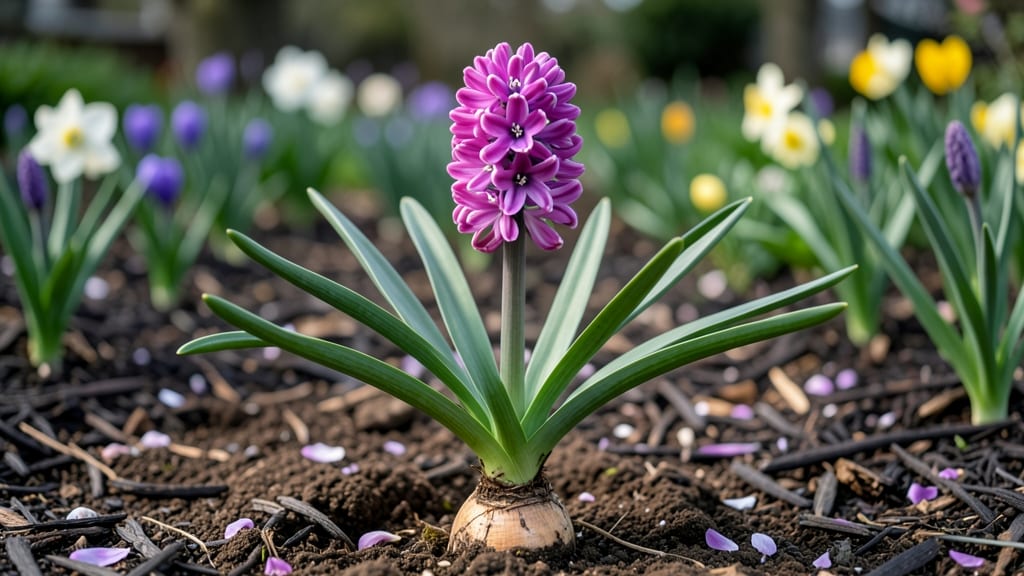
Hyacinths bloom in April and May 🌸, but timing varies wildly by variety and where you garden — and getting it right means the difference between a garden that pops with color or one that feels like a missed opportunity.
Picture this: you’ve just planted your fall bulbs in September, dreaming of that sweet, intoxicating fragrance next spring. But then you notice your ‘Annette’ hyacinths burst into bloom in late March, while your ‘Woodstock’ sits stubbornly dormant until June. What gives?
The answer lies in understanding your local climate, the specific needs of each variety, and a few simple tricks to nudge your bulbs into blooming on schedule.
Whether you’re in Zone 6 or further south, knowing the exact bloom windows—and how to adjust for them—will help you create a garden that smells like heaven from early spring well into summer.
Below, I’ll break down the month-by-month bloom times for popular varieties, how to time your plantings for a continuous display, and the secrets to coaxing those fragrant blooms right when you want them.
Exact hyacinth bloom time by popular varieties (month-by-month guide)
Hyacinths are one of the first spring bloomers to light up gardens with their fragrant clusters. But did you know different varieties bloom at specific times?
Understanding these windows helps you create a sequential display from early spring to late winter. For example, 'Woodstock' blooms earliest, while 'Pink Pearl' often lingers into May.
The USDA zone where you garden shifts bloom times by 2-4 weeks. In Zone 3, expect flowers 3 weeks earlier than in Zone 10. Soil temperature also plays a role—warmer microclimates can trigger blooms 10 days sooner than cooler spots.
Let’s break down the exact months for popular varieties and how to adjust for your climate.
Pro Tip: Plant bulbs in staggered rows to extend your display. For instance, add 'Blue Jacket' (late April) alongside 'Anna Marie' (early March) for a 6-week color show.
| Variety | USDA Zones 3-6 Bloom Time | USDA Zones 7-10 Bloom Time | Notes |
|---|---|---|---|
| 'Woodstock' | Late February - Early March | Early March - Mid-March | Early bloomer; white with pink tips |
| 'Anna Marie' | Early March - Mid-March | Mid-March - Late March | Classic pink with strong fragrance |
| 'Blue Jacket' | Late March - Early April | Early April - Mid-April | Deep blue-purple hue; late bloomer |
| 'Delft Blue' | Mid-March - Late March | Late March - Early April | Soft sky blue; early to mid-season |
| 'Pink Pearl' | Late April - Early May | Early May - Mid-May | Late bloomer; pale pink with long stems |
| 'Jan Bos' | Early March - Mid-March | Mid-March - Late March | Red-purple with intense fragrance |
| 'L’Innocence' | Mid-March - Late March | Late March - Early April | Pure white with delicate scent |
If you live in Zone 7-10, expect blooms to shift 2-3 weeks later than the table above. For example, 'Woodstock' in Zone 10 may not bloom until mid-March instead of late February.
To adjust, plant bulbs 4-6 weeks earlier in cooler zones or delay planting by 2 weeks in warmer climates.
For forced indoor blooms, chill bulbs for 10-12 weeks at 35-45°F before potting. This mimics winter conditions and triggers blooms indoors by Christmas. Use 'Delft Blue' or 'Anna Marie' for holiday displays—their bright colors stand out against winter greenery.
To extend your garden’s bloom season, plant 3 varieties with staggered times. For instance, combine 'Woodstock' (late winter), 'Blue Jacket' (spring), and 'Pink Pearl' (late spring). This creates a 3-month cascade of color and fragrance. Mulch heavily after planting to insulate bulbs and encourage consistent blooming.
Creating a non-stop hyacinth display is easier than you think! The trick lies in staggering plantings and understanding each variety’s unique bloom window. By planting bulbs in 3-week intervals from late summer to early fall, you’ll enjoy overlapping blooms from late winter through spring. This method ensures your garden never loses its fragrant, colorful punch. For example, early varieties like 'Delft Blue' bloom in March-April, while late varieties such as 'Pink Pearl' shine in April-May. Pairing these with forced indoor blooms (like Christmas hyacinths) extends your display even further. The key is soil temperature—hyacinths need 6-8 weeks of chilling below 50°F (10°C) to trigger blooming. One common mistake is planting all bulbs at once, which leads to a short-lived burst of color instead of a gradual show. Another pitfall is skipping the chilling period—hyacinths won’t bloom without it! If you live in a warm climate (USDA Zone 8+), pre-chill bulbs in your fridge’s crisper drawer for 8-10 weeks before planting. For maximum fragrance, plant hyacinths near patio seating or walkways. Their intense sweet scent wafts beautifully in morning sunlight. Pair with early spring perennials like heuchera or lamium to bridge gaps between blooms. Just remember: deadhead spent blooms to redirect energy to next year’s flowers! Pro tip: Label your hyacinth varieties at planting! This helps track which bulbs bloom when, so you can replicate your perfect timing each year. With this strategy, your garden will burst with color from late winter to early summer, making every season feel like spring. Start small—try 3-5 bulbs per variety in a sunny border or container garden. Before you know it, you’ll have a fragrant, ever-blooming display that’s the envy of the neighborhood! 🌷How to time hyacinth blooms for a continuous garden display