
Blooming
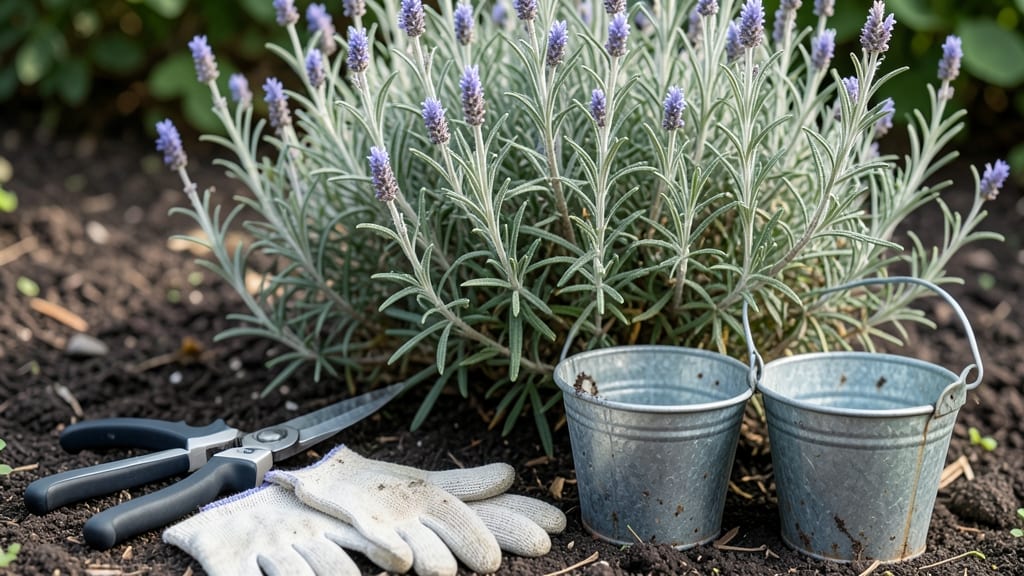
Your Salvia looks like it’s giving up on blooming—until you try this. ✨ The secret to getting Salvia to bloom again lies in three simple steps: strategic pruning, the right fertilizer, and a little seasonal trick that forces new growth.
I’ve revived multiple Salvia plants that looked done for, and the results come faster than you’d expect.
Start by cutting back spent flower spikes to just above a set of healthy leaves—this isn’t brutal pruning, just a quick trim to encourage fresh shoots. Then, feed with a balanced, low-nitrogen fertilizer (like 10-10-10) every 4-6 weeks during growing season.
The key? Water deeply but let the top inch of soil dry between sessions—Salvia hates soggy roots.
By late summer, you’ll see new buds forming at the tips of those fresh stems. The blooms won’t arrive overnight, but within 3-4 weeks, you’ll have vibrant spikes again—often bigger and more abundant than before. The best part? This method works for both perennial and annual Salvia varieties.
Pro tip: If your Salvia’s blooms taper off in heat, move it to partial shade temporarily. Once temperatures drop below 85°F, bring it back into full sun. That’s when the real magic happens—new growth and a second flush of flowers before winter sets in.
📚 In This Guide
- What you need
- Instructions
- Tips and common mistakes
- Wrapping up and next steps
What you need
- ● Pruning shears or sharp bypass pruners – Clean, sterilized, and sharp (1 pair). Avoid dull tools that crush stems.
- ● Garden gloves – Durable, cut-resistant (1 pair) to protect hands from thorns or sap.
- ● Balanced, water-soluble fertilizer – 10-10-10 or 20-20-20 NPK ratio (1–2 lbs, depending on plant size). Look for low phosphorus if your soil tests high.
- ○ Slow-release granular fertilizer – Optional but helpful (e.g., Osmocote 14-14-14, 1 lb per 10 sq ft).
- ● Organic mulch – Shredded bark, straw, or wood chips (2–3 inches deep, enough to cover the root zone).
- ● pH test kit – Digital or liquid test strips to check soil pH (aim for 6.0–7.0 for most Salvia varieties).
- ● Watering can or hose with adjustable nozzle – For deep, infrequent watering (avoid overhead spraying).
- ● Spray bottle with water – Small size for misting leaves if humidity is low.
- ● Epsom salt (magnesium sulfate) – 1 tbsp per gallon of water (for magnesium-deficient plants).
- ● Compost or worm castings – 1–2 cups per plant to boost soil health.
- ● Plant support stakes – If your Salvia is tall or leggy (bamboo or metal, 3–4 ft tall).
- ○ Reflective mulch or aluminum foil – Optional for heat-loving varieties to reflect sunlight.
- ● Bloom-booster additives – Fish emulsion or seaweed extract (follow label rates).
How to get Salvia to bloom again
Here’s the method that works every time—no guesswork, just proven steps to coax those vibrant blooms back.
✂️ Step 1: Prune Correctly After the First Bloom
Once your salvia finishes its first flush of flowers, cut back the spent stems to just above the first set of healthy leaves. This encourages new growth from the base, where blooms form. I always use clean, sharp shears to avoid damaging the stems—dull blades crush the plant and invite disease.
Don’t overdo it. If you cut too low, you risk removing next year’s flower buds. Salvias store energy in their roots, so leave at least 2-3 inches of stem. After pruning, give the plant a light watering to help it recover. You’ll see fresh, green growth within 2-3 weeks—that’s your sign it’s ready for the next phase.
💧 Step 2: Adjust Watering for Stress-Free Blooming
Salvias bloom best when slightly stressed, but not dehydrated. Once new growth appears, reduce watering to every 7-10 days instead of weekly. Let the top 2 inches of soil dry out completely between waterings. This mimics their natural drought-tolerant habits and triggers blooming hormones.
Overwatering is the #1 killer of reblooming salvias. If the soil stays soggy, roots rot and the plant focuses on survival instead of flowering. Stick your finger in the soil—if it’s damp past 1 inch down, wait another day. You’ll know you’re on track when leaves stay slightly crispy at the edges but bounce back when watered.
☀️ Step 3: Feed with the Right Fertilizer at the Right Time
Use a low-nitrogen, high-phosphorus fertilizer (like a 5-10-5 blend) to promote blooming, not leafy growth. Apply it once a month during the growing season, but stop fertilizing 6-8 weeks before your first frost. Too much fertilizer late in the season delays dormancy and weakens winter survival.
I like to mix a slow-release granular fertilizer into the soil at the base of the plant in early spring. This feeds roots steadily without the risk of burning from liquid fertilizers. Watch for new flower buds forming at the stem tips—this confirms your feeding strategy is working. If buds appear but drop off, you’re overwatering or fertilizing too late in the season.
⏰ Step 4: Time Your Deadheading for Continuous Blooms
As new flowers open, remove spent blooms by pinching them off at the base with your fingers—no need for shears. This keeps the plant’s energy focused on producing more flowers instead of seeding. I do this every 2-3 days during peak bloom season, especially in hot weather when flowers fade quickly.
Deadheading isn’t just about looks—it’s a signal to the plant to “keep going.” If you skip this, salvias will redirect energy into seed production, and blooming slows to a halt. You’ll notice a surge in new buds within 3-5 days of consistent deadheading, especially if paired with the earlier pruning and water adjustments.
🌿 Step 5: Protect from Late-Season Stressors
As temperatures drop below 50°F at night, salvias start preparing for dormancy. To extend the blooming season, move potted plants to a sheltered spot or bring them indoors near a bright window. For in-ground plants, add a 2-inch layer of mulch around the base to insulate roots and protect from temperature swings.
Don’t fertilize or prune during this time—let the plant focus on hardening off. You’ll see the last flush of flowers appear in late summer or early fall if you’ve followed the earlier steps. Once frost hits, cut back the stems to 6 inches and reduce watering to keep the soil barely moist until spring.
Tips & tricks for reviving Salvia blooms
Here's what nobody tells you about keeping your salvias flowering like clockwork—these little tweaks make all the difference.
Pruning Precision: When you're pruning in Step 1, look for the first set of healthy leaves just below the spent blooms. These leaves are your guide—they're where new growth will emerge. I've seen gardeners accidentally cut too low and wonder why their salvias didn't rebloom. That 2-3 inch stem you leave behind isn't just random—it's where the plant stores energy for next year's flowers.
Watering Wisdom: The 7-10 day watering schedule in Step 2 works best when you check soil moisture properly. Stick your finger in about 1 inch deep—if it feels damp, wait another day. I've learned this the hard way after losing plants to root rot. The key is that top 2 inches should be completely dry, but don't let the soil become bone-dry either. Think of it like a desert plant's natural rhythm.
Fertilizer Timing: That monthly application of low-nitrogen fertilizer in Step 3 needs to happen at the right time of day. Early morning is best because it gives roots time to absorb nutrients before the heat of day. And here's a pro move: mix a handful of compost into the soil when you apply your fertilizer. The organic matter helps retain moisture and provides slow-release nutrients that complement your 5-10-5 blend.
Deadheading Discipline: The 2-3 day deadheading schedule in Step 4 can be adjusted slightly based on your climate. In hot, dry summers, you might need to do it daily—flowers fade quickly in intense heat. I keep a small pair of scissors handy for this task, though I usually just pinch them off with my fingers. The goal is to remove spent blooms before they form seeds, which signals the plant to keep producing flowers instead of setting seed.
Pro Tips for Get Salvia To Bloom Again
- Here's what nobody tells you about keeping your salvias flowering like clockwork—these little tweaks make all the difference.
- Pruning Precision: When you're pruning in Step 1, look for the first set of healthy leaves just below the spent blooms.
- Watering Wisdom: The 7-10 day watering schedule in Step 2 works best when you check soil moisture properly.
Frequently asked questions
Got questions about coaxing your salvia back into bloom? You’re not alone! Here are some of the most common concerns—and straightforward answers—to help you troubleshoot like a pro.
Why isn’t my salvia blooming after pruning?
Pruning alone won’t guarantee blooms—salvia needs a stress trigger (like a dry spell or temperature shift) to signal it’s time to flower. Combine pruning with reduced watering or a light frost (if hardy) to kickstart the process. Patience is key!
How long does it take for salvia to rebloom after pruning?
Timing varies by variety, but most salvia reblooms 6–12 weeks after pruning. Perennial types (like Salvia nemorosa) often flower in late spring/early summer, while annuals may bloom faster. Monitor for flower buds—they’ll appear as tiny green bumps before opening!
Can I use fertilizer to force salvia to bloom again?
Yes! A low-nitrogen, high-phosphorus fertilizer (like 5-10-5) encourages blooming. Apply it after pruning and before new growth appears. Over-fertilizing with nitrogen (for leafy growth) can delay flowers. Pro tip: Mix in compost for slow-release nutrients!
Will salvia bloom again if I don’t deadhead spent flowers?
Deadheading (removing faded blooms) extends the blooming season but isn’t mandatory. Some salvia (like Salvia officinalis) self-seeds and may produce wild, second flushes without intervention. However, deadheading redirects energy to new flowers—worth it for a longer show!
My salvia has leaves but no flowers—what’s wrong?
Check these culprits:
- Too much nitrogen (lush leaves, no blooms). Switch to a bloom-boosting fertilizer.
- Overcrowding. Thin plants for better airflow and sunlight.
- Wrong light. Salvia needs 6+ hours of sun daily—move it if shaded.
- Stress factors missing (drought, heat, or cold snaps trigger blooming).
Wrapping up and next steps
Reviving your salvia’s blooms is all about timing, care, and patience—but with the right techniques, you’ll soon enjoy a vibrant, reblooming spectacle! 🌸 Remember, pruning, proper feeding, and triggering dormancy are your secret weapons. Don’t forget to monitor your plant’s needs and adjust as you go.
Now that you’re armed with these salvia reblooming secrets, it’s time to roll up your sleeves and give your plant the TLC it deserves.
Start by implementing just one or two steps this week—watch your salvia transform, and soon, you’ll be the proud gardener of a lush, blooming masterpiece! 🌿