
Propagation
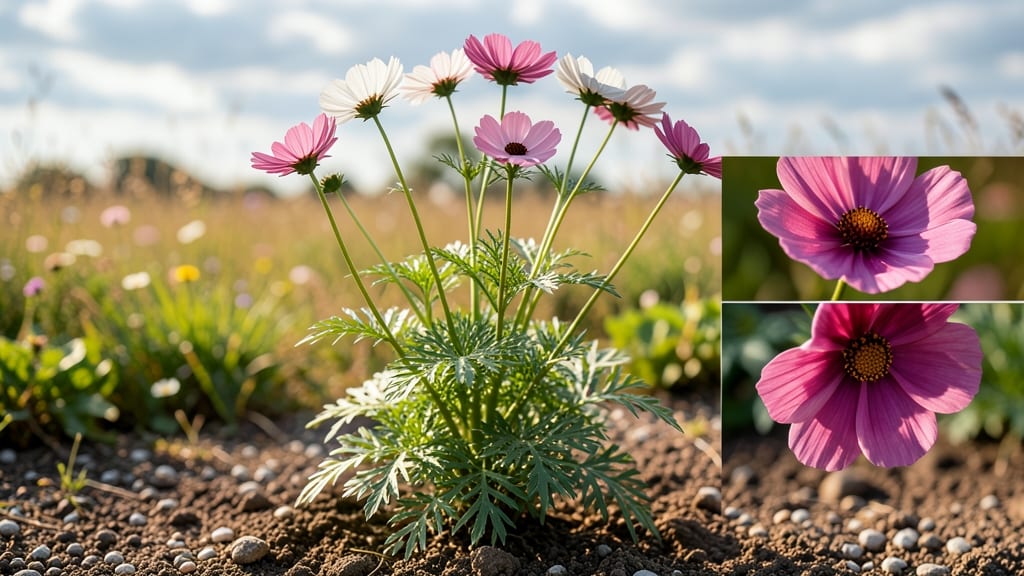
Blooming cosmos from seed takes about 60 to 90 days—but with the right tricks, you can shave weeks off that timeline and enjoy vibrant 🌼 flowers sooner than you think.
Picture this: you’ve just tucked those tiny cosmos seeds into the soil, dreaming of a summer garden bursting with color. But here’s the catch—some varieties bloom in as little as 50 days, while others take nearly twice as long.
The difference? Variety selection, soil prep, and a few sneaky growing hacks that most gardeners overlook.
If you’re eager to see cosmos flowers faster, the key lies in understanding their growth stages—from those first fragile sprouts to the moment buds burst into full bloom.
We’ll break down exactly what to expect each week, plus the soil and light tweaks that cut bloom time by 10 to 20 days.
Ready to turn your cosmos seeds into a nonstop summer show? Here’s your step-by-step roadmap to earlier blooms, including the fastest-growing varieties and the one mistake that keeps cosmos from flowering on schedule.

Cosmos bloom timeline: fastest varieties & germination secrets
If you’ve ever planted cosmos seeds hoping for quick color, you know patience is key—but some varieties bloom faster than others. On average, cosmos take 60 to 75 days from seed to their first vibrant flowers, but with the right tricks, you can shave weeks off that timeline.
The fastest-growing cosmos varieties, like 'Bright Lights' and 'Sensation Mix', often reach bloom stage in 50 to 60 days under ideal conditions.
Germination is the first critical phase, typically taking 5 to 14 days depending on soil warmth and moisture. While cosmos seeds are easy to grow, cold soil can stall sprouting, so timing your planting after the last frost is essential.
Warmer soil speeds up germination, and pre-soaking seeds can cut that wait time by 2 to 3 days.
Here’s a quick breakdown of what to expect from seed to bloom, including the fastest varieties and germination secrets:
To accelerate germination, start by soaking your cosmos seeds in lukewarm water for 4 to 6 hours before planting. This softens the seed coat and encourages faster sprouting. Plant seeds ¼ inch deep in well-draining soil and keep the soil consistently moist but not soggy.
A soil temperature of 60°F (15°C) or warmer is ideal for quick germination.
Once your cosmos seedlings emerge, they’ll enter a rapid growth phase. In 3 to 4 weeks, you’ll see the first true leaves appear, followed by stem elongation. During this stage, ensure your seedlings get full sun (6+ hours daily) to prevent leggy growth.
If you’re growing cosmos in cooler climates, consider using a black plastic mulch to warm the soil and speed up growth.
By week 8 to 10, your cosmos plants will start forming buds, and the first blooms will open in 2 to 3 weeks. If you’re aiming for earlier blooms, opt for dwarf varieties like 'Seashells' or 'Bright Lights,' which mature faster than taller types.
Deadheading spent blooms will also encourage continuous flowering throughout the season.
One common mistake gardeners make is overcrowding cosmos seedlings, which slows growth and delays blooming. Space your plants 12 to 18 inches apart to give them room to thrive.
Additionally, avoid over-fertilizing with high-nitrogen feeds, as this promotes leafy growth at the expense of flowers. A balanced fertilizer (5-10-10) applied lightly every 4 to 6 weeks is ideal.
With the right variety and growing conditions, you can enjoy cosmos blooms in as little as 50 days. Whether you’re planting for a summer display or extending your garden’s season, these fast-growing cosmos varieties are perfect for impatient gardeners eager to see color quickly.
For even faster results, try starting seeds indoors 4 to 6 weeks before your last frost date. This gives seedlings a head start, and you can transplant them outdoors once the soil warms up.
Just be sure to harden them off for a week before moving them to the garden to avoid shock.
🌼
5 Soil & light tricks to trigger earlier cosmos blooms
If you're eager to see those cosmos blooms sooner, focus on two critical factors: soil conditions and light exposure. Cosmos thrive when their roots get the right nutrients and their leaves soak up plenty of sunlight—both of which directly impact how quickly they transition from seedling to flower.
With the right adjustments, you can shave 10-20 days off the typical 60-90 day bloom timeline.
Start by testing your soil pH. Cosmos prefer a slightly acidic to neutral range of 6.0-7.0. If your soil is too alkaline (above 7.5), blooming will slow dramatically.
Amend with peat moss or compost to lower pH naturally. Pair this with well-draining soil—cosmos hate soggy roots, which can stunt growth and delay flowering.
🌱 Numbered Highlights: Speed Up Cosmos Blooms
- 🌞 Full Sun = Faster Blooms: Place cosmos in 6+ hours of direct sunlight daily. Partial shade delays flowering by 2-3 weeks.
- 🌱 Soil pH 6.0-7.0: Test and amend soil to avoid nutrient lockout. Use compost for organic matter.
- 💧 Deep Watering: Water at the base (not leaves) to prevent fungal issues that slow growth.
- ❌ Avoid Over-Fertilizing: Too much nitrogen = leafy growth, fewer blooms. Use low-NPK (5-10-10) fertilizer.
- 🌿 Thin Seedlings: Space plants 12-18 inches apart to reduce competition and speed up maturation.
Light is non-negotiable for cosmos. While they tolerate partial shade, full sun (6+ hours daily) is the secret to faster blooming. If your garden lacks direct sunlight, consider a south-facing window or a reflective surface (like a white wall) to maximize light exposure.
Even an extra 2 hours of sun can cut bloom time by 7-10 days.
One of the biggest mistakes gardeners make is over-fertilizing. Cosmos are light feeders—too much nitrogen (like in lawn fertilizer) sends energy to leaves instead of flowers. Stick to a balanced 5-10-10 fertilizer applied once in early summer.
Overcrowding is another culprit: seedlings competing for space will stay small and delay blooming. Thin your plants to 12-18 inches apart as soon as they develop 2-3 true leaves.
Finally, don’t overlook the power of mulching. Apply a 2-inch layer of mulch around your cosmos to retain moisture, regulate soil temperature, and suppress weeds—all of which create stress-free conditions for faster growth. Organic mulches like straw or shredded leaves also slowly release nutrients as they break down.
With these soil and light tricks, you’ll see your cosmos bloom 2-3 weeks earlier than average. The key is consistency: monitor your plants’ sunlight, soil health, and spacing weekly.
Before you know it, your garden will be bursting with vibrant cosmos blooms—and your neighbors will be asking for your secrets! 🌼