
Blooming
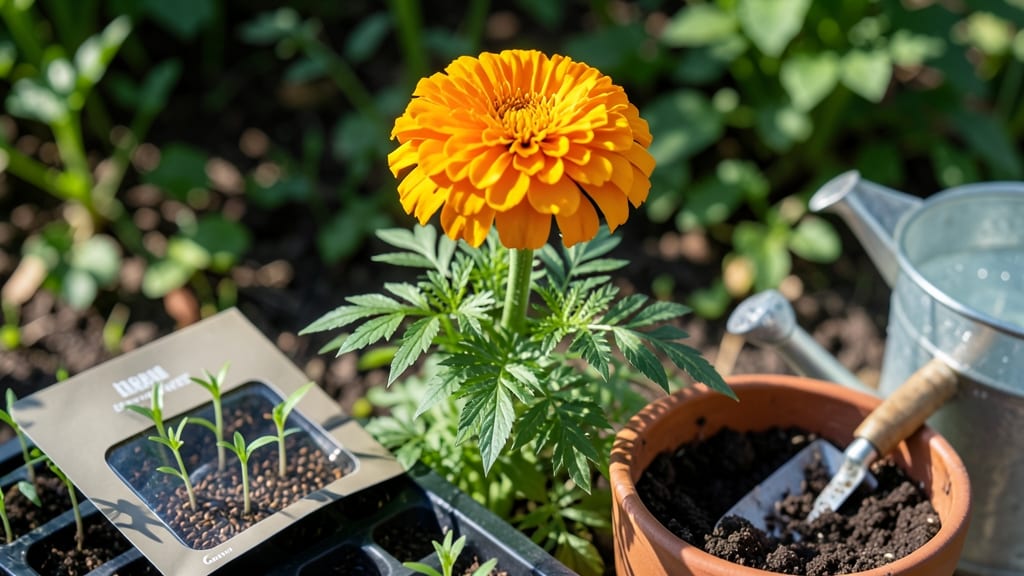
The marigold seed-to-bloom time takes 5–10 days to germinate and 6–12 weeks to bloom, depending on the variety and growing conditions—some even flower in just 30 days.
If you’ve ever waited impatiently for those bright 🌼 faces to pop up, you know how rewarding it is when they finally appear. But timing isn’t just about luck—soil warmth, sunlight, and even your choice of marigold type can cut weeks off that wait.
In USDA Zone 6a, where spring planting kicks off in April, dwarf varieties like ‘Tangerine’ often bloom in 6–8 weeks, while taller types take closer to 10–12 weeks. The key?
Start seeds indoors in late March or sow directly after the last frost when soil hits 60°F.
Below, I’ll break down the fastest bloomers, how climate zones speed up (or slow down) growth, and the simple tricks to get those cheerful blooms 2–4 weeks earlier—no matter where you garden.

Fastest marigold varieties and their seed-to-bloom timeline
If you're eager to add vibrant orange and gold splashes to your garden, marigolds are the perfect choice. Some varieties bloom in as little as 30 days from seed, while others take up to 90 days.
The key difference? Variety selection and growing conditions. French marigolds, for example, are the speediest, while African types may take longer but offer dramatic, dinner-plate-sized blooms.
Your success depends on sunlight exposure, soil temperature, and watering consistency. Marigolds thrive in full sun (6+ hours) and soil temps above 60°F (15°C). In cooler climates, start seeds indoors or use row covers to accelerate germination.
Let’s break down the fastest varieties and their timelines to help you plan your season-long color.
Comparison Table: Marigold Varieties and Bloom Times
| Variety | Seed to Bloom (Days) | Height | Sunlight Needs | Heat Tolerance |
|---|---|---|---|---|
| French Marigold ('Bonanza' Series) | 30–45 days | 12–18 inches | Full sun | High |
| Signet Marigold ('Tangerine Gem') | 45–60 days | 6–12 inches | Full sun | Moderate |
| African Marigold ('Jingle Bells') | 60–90 days | 24–36 inches | Full sun | Very High |
| French Marigold ('Gold Rush') | 35–50 days | 10–14 inches | Full sun | High |
| Signet Marigold ('Lemon Gem') | 40–55 days | 8–12 inches | Full sun | Moderate |
French marigolds like 'Bonanza Mix' are the fastest bloomers, often producing flowers in just 30–45 days. Their compact size makes them ideal for container gardens and border plantings. If you’re aiming for year-round color, stagger your plantings every 2–3 weeks to ensure continuous blooms.
For taller, more dramatic blooms, African marigolds like 'Jingle Bells' take longer but reward you with large, showy flowers. These varieties thrive in hot climates and can even tolerate light frosts if established.
If you’re in a cooler zone, opt for dwarf varieties like 'Tangerine Gem' to speed up germination.
To maximize bloom speed, ensure your marigolds receive consistent moisture but avoid waterlogged soil. A well-draining mix with compost helps roots establish faster. Fertilize lightly with a balanced 5-10-10 formula when seedlings emerge to encourage robust growth without overpowering them.
If you’re planting in spring, start seeds indoors 4–6 weeks before the last frost. For fall blooms, sow seeds in late summer to enjoy flowers before winter sets in. In warm climates (Zones 8–11), you can plant marigolds year-round, with minimal gaps between bloom cycles.
Deadheading spent blooms is another pro tip to extend the flowering season. Simply pinch off wilted flowers with your fingers or snips to redirect the plant’s energy into new blooms. This simple step can add 2–4 extra weeks of vibrant color to your garden.
For container gardening, choose dwarf French marigolds like 'Gold Rush'. Their small stature and fast bloom time make them perfect for patio pots and hanging baskets. Pair them with basil or petunias for a low-maintenance, high-impact display.
Remember, marigolds are pest deterrents too! Their strong scent repels aphids, nematodes, and even rabbits. Plant them near vegetable gardens to protect your
Climate zones and how they affect marigold bloom speed
Your USDA climate zone plays a huge role in how quickly marigold seeds sprout and bloom.
In warmer zones (8–11), you can plant seeds in early spring and enjoy 30–45 day blooms, while cooler zones (3–6) may need to wait until summer or use starter plants to avoid frost delays. Let’s break down how temperature and daylight affect your marigold’s growth timeline.
Marigolds thrive in warm soil (60–85°F), so Zone 10–11 gardeners can start seeds as early as February, while Zone 3–5 growers should wait until May or June. Even within the same zone, microclimates (like urban heat islands) can speed up germination by 5–10 days.
For example, a Zone 7 garden in a sunny south-facing bed may see blooms 2 weeks earlier than one in a shady corner.
| USDA Zone | Germination Time | Bloom Time | Best Planting Window | Pro Tip |
|---|---|---|---|---|
| 3–5 (Cold) | 7–14 days | 70–90 days | Late May–June | Use row covers for early starts |
| 6–7 (Temperate) | 5–10 days | 50–70 days | April–May or August | Sow seeds after last frost |
| 8–9 (Warm) | 3–7 days | 30–50 days | February–March or September | Plant in fall for winter blooms |
| 10–11 (Hot) | 2–5 days | 25–40 days | Year-round (avoid peak summer) | Shade cloth for summer planting |
In cooler zones (3–6), marigolds often need a longer seed-to-bloom window because slower soil warming delays germination. To compensate, try pre-sprouting seeds indoors under grow lights for 5–7 days before transplanting.
For Zone 4–5 gardens, I recommend choosing dwarf varieties like ‘Tangerine Gem’, which bloom in 45–55 days even in shorter seasons.
Gardeners in Zones 8–11 have the advantage of year-round planting. In Zone 10–11, you can sow seeds in fall (September–October) for winter blooms, while Zone 8 gardeners should avoid summer planting to prevent bolting from heat stress.
For fastest results, French marigolds (like ‘Bonanza Mix’) are my top pick—they bloom in just 30–40 days when grown in ideal conditions.
Daylight length also matters: Longer days (14+ hours) in summer boost flowering speed by up to 20%. In northern zones (3–5), supplement with a grow light for 4–6 hours if planting early.
For southern zones (9–11), focus on shade protection during peak summer to prevent heat stress, which can delay blooms by 10–15 days.
No matter your zone, consistent moisture and well-draining soil are key to speeding up blooms. In dry climates (Zone 7–11), mulch with straw or pine needles to retain moisture, while humid zones (Zone 5–8) may need raised beds to prevent fungal issues.
With the right conditions, even slow varieties can bloom 2–3 weeks earlier than expected!