
Blooming
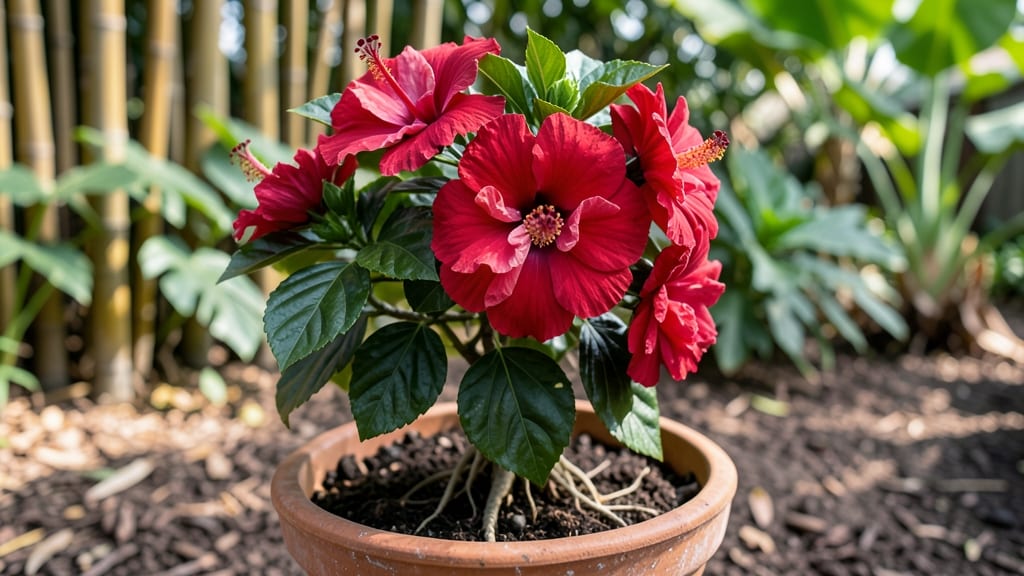
Double bloom hibiscus plants turn your garden into a living painting with their layered petals and vibrant colors. 🌸 I’ve grown them for years, and the secret to their continuous blooms lies in the right balance of light, pruning, and patience—even in less-than-ideal conditions.
The key difference between double bloom hibiscus and their single-petal cousins is their structure: more petals mean more energy demands. You’ll need well-draining soil, moderate sunlight (4-6 hours daily), and consistent watering to keep those petals lush.
Unlike single blooms, they reward careful pruning with longer bloom cycles—sometimes year-round in warm climates.
With the right care, you’ll enjoy clusters of blooms instead of single flowers, creating a fuller, more dramatic display. The plants stay compact and bushy, making them perfect for containers or as focal points in garden beds. Just avoid overwatering—their roots need air to thrive.
Once established, these hibiscus become low-maintenance stars. They tolerate partial shade better than single blooms, making them ideal for patios or shaded gardens. Prune after blooming to encourage new growth, and watch as your plant rewards you with endless color throughout the season.
📚 In This Guide
- What you need
- Instructions
- Tips and common mistakes
- Wrapping up and next steps
What you need
- ● Double Bloom Hibiscus Plant: Start with a healthy nursery-grown Hibiscus rosa-sinensis (ensure it’s labeled as "double bloom" for fuller flowers).
- ● Well-Draining Potting Mix: 5–10 gallons (depending on pot size), blended with perlite or orchid bark (1:1 ratio) for aeration.
- ● Containers: 1–2 ceramic or fabric pots (12–16" diameter) with drainage holes.
- ○ Optional: Self-watering planters for low-maintenance care.
- ● Fertilizer: Balanced liquid fertilizer (10-10-10) or hibiscus-specific formula.
- ● Slow-release granules (e.g., Osmocote) for seasonal feeding.
- ● Pruning Shears: Sharp, sterilized shears (or small scissors in a pinch).
- ● Watering Can or Hose: With a gentle spray nozzle for hydration.
- ● Light: Bright, indirect light (4–6 hours of morning sun; avoid harsh afternoon rays).
- ● Temperature: Ideal range: 65–85°F (18–29°C). Protect from frost (<50°F/10°C).
- ● Humidity: 50%+ (use a pebble tray or humidifier in dry climates).
- ● Water: Keep soil consistently moist (not soggy)—water when top 1" feels dry.
Step-by-Step instructions for cultivating double bloom hibiscus
Here's how I coax those lush, double-layered blooms year after year—even in less-than-ideal light.
🌱 Step 1: Select the Right Variety and Prepare the Soil
Double bloom hibiscus varieties like 'Dwarf Red' or 'Lily of the Valley' need well-draining, slightly acidic soil with a pH between 6.0 and 6.5. I always start with equal parts potting mix and perlite to prevent root rot—hibiscus roots despise soggy conditions. Amend the soil with 1 cup of compost per gallon of mix for nutrients without compacting the texture.
Fill your container (at least 12 inches deep for mature plants) with the prepared mix, leaving 2 inches of space at the top. Hibiscus roots grow aggressively, so a 15-20 gallon pot supports four plants beautifully. Tap the container gently to settle the soil, but don't compact it—roots need air pockets to thrive.
☀️ Step 2: Position for Optimal Light Exposure
Double bloom hibiscus crave bright, indirect light—at least 6 hours of sunlight daily, but they'll tolerate 4 hours if the light is intense. I place mine near an east-facing window where they get gentle morning sun and avoid harsh afternoon rays. If you only have north-facing light, supplement with a grow light for 12-14 hours daily to prevent leggy growth.
Watch for yellowing leaves or stems stretching toward light—these are signs your plant needs more brightness. Rotate the pot a quarter turn weekly so all sides receive even exposure. This ensures bushier growth and more blooms rather than lopsided development.
💧 Step 3: Establish a Consistent Watering Routine
Water deeply once a week during the growing season, allowing the top 2 inches of soil to dry out between waterings. Hibiscus roots are sensitive, so I always water at the base of the plant to avoid wetting the foliage—this prevents fungal diseases like powdery mildew. Use room-temperature water to avoid shocking the roots.
In winter, reduce watering to every 10-14 days, letting the soil dry out more thoroughly. Overwatering is the #1 killer of hibiscus—you'll know you're doing it right when the soil feels dry to the touch 1-2 inches down. Yellowing leaves or wilting despite moist soil? That's a root rot warning sign.
✂️ Step 4: Prune for Bushier Growth and More Blooms
Prune hibiscus twice a year: once in early spring to shape the plant and again after flowering to encourage a second bloom cycle. Cut back one-third of the oldest stems to the nearest leaf node—this stimulates new growth from the base. Use clean, sharp shears to make cuts at a 45-degree angle just above a leaf node.
Deadhead spent blooms every 2-3 days by snipping the stem just below the flower. This redirects the plant's energy into producing new buds rather than seed pods. I also remove any yellow or diseased leaves immediately—hibiscus are heavy feeders and won't waste energy on damaged foliage.
🌿 Step 5: Feed for Continuous Blooming
Fertilize hibiscus every 4-6 weeks during the growing season with a balanced liquid fertilizer (10-10-10) diluted to half strength. Double bloom varieties are particularly hungry—they need extra phosphorus to support those lush petals. I switch to a low-nitrogen, high-phosphorus formula (5-10-5) when buds form to encourage flowering.
Stop fertilizing 6-8 weeks before the first frost—hibiscus need time to harden off. In winter, reduce feeding to once every 8 weeks with a slow-release fertilizer to sustain growth without overstimulating new shoots. Over-fertilizing causes salt buildup in the soil, which you'll spot as white crust on the surface or leaf burn. Flush the soil with water if this happens.
Tips & tricks for perfect double bloom hibiscus care
Between us, these little tricks make all the difference when you're coaxing those spectacular double blooms from your hibiscus—especially when light is limited.
Soil Mix Science: The equal parts potting mix and perlite ratio in Step 1 isn't just about drainage—it's about creating an airy environment that mimics hibiscus' tropical roots. I've found that adding 1 part coconut coir to the mix (alongside the perlite) gives even better moisture retention without compacting. This is particularly helpful if you're growing in containers where soil dries out faster. The key is maintaining that slightly acidic pH between 6.0-6.5—test it with a simple soil pH meter if you're unsure.
Light Hack for Low-Light Conditions: When you're working with the 4-6 hours of sunlight mentioned in Step 2, position your grow light about 6-12 inches above the plant for the 12-14 hours of supplemental light. I use a simple LED grow bulb on a timer—this mimics natural daylight cycles better than constant light. Watch for those telltale signs of stretching (etiolation) and adjust immediately. The quarter-turn weekly rotation in Step 2 becomes even more critical in low-light situations to prevent lopsided growth.
Watering Wisdom: That "dry to the touch 1-2 inches down" test in Step 3 is your best friend, but here's what nobody tells you—the best time to water is early morning. This gives the foliage all day to dry out, significantly reducing the risk of fungal issues. I've also noticed that using lukewarm water (not room temperature) helps prevent shock to the roots, especially in cooler indoor environments. For the winter watering schedule, I mark my calendar 10 days after each watering to stay consistent.
Pruning Precision: The 45-degree angle cut in Step 4 isn't just aesthetic—it creates a larger surface area for water absorption and new growth. When deadheading every 2-3 days, I always use clean shears and dip them in rubbing alcohol between cuts to prevent spreading any potential diseases. For the spring pruning, I look for those third node from the base when cutting back—this ensures I'm encouraging bushier growth from the strongest points on the plant.
Pro Tips for Double Bloom Hibiscus
- Between us, these little tricks make all the difference when you're coaxing those spectacular double blooms from your hibiscus—especially when light is limited.
- Soil Mix Science: The equal parts potting mix and perlite ratio in Step 1 isn't just about drainage—it's about creating an airy environment that mimics hibiscus' tropical roots.
- Light Hack for Low-Light Conditions: When you're working with the 4-6 hours of sunlight mentioned in Step 2, position your grow light about 6-12 inches above the plant for the 12-14 hours of supplemental light.
Frequently asked questions
Got questions about nurturing your double bloom hibiscus? You’re not alone! Here are some of the most common queries—and their easy solutions—to keep your plant thriving with minimal fuss.
How often should I water my double bloom hibiscus?
Water your hibiscus when the top 1–2 inches of soil feel dry. Aim for consistent moisture—never soggy soil (root rot is a risk!)—but avoid letting it dry out completely. In hot climates, watering every 2–3 days may be needed, while cooler months can stretch it to once a week. Pro tip: Use room-temperature water to prevent shock!
Why isn’t my hibiscus blooming as much as it should?
Double bloom hibiscus thrive on light + triggers. If blooms are sparse, check for:
- Light: Move it to bright, indirect light (south/west-facing windows are ideal).
- Nutrients: Feed with a balanced liquid fertilizer (20-20-20) every 4–6 weeks during spring/summer.
- Pruning: Trim leggy stems in early spring to encourage bushier growth.
Can double bloom hibiscus survive in low-light conditions?
While they prefer bright light, hibiscus can tolerate moderate indirect light (e.g., east-facing windows). In dim spaces, expect:
- Slower growth
- Fewer blooms
- Leggy stems (prune to maintain shape!)
How do I revive a wilted or yellowing hibiscus?
Wilting or yellow leaves usually signal over/under-watering or pests. Try this:
- Check soil: Stick your finger in—if dry, water thoroughly; if soggy, let it dry out.
- Inspect for pests: Look for aphids or spider mites on undersides of leaves. Wipe with soapy water or use neem oil.
- Trim damaged leaves: Snip yellow/brown foliage to redirect energy to healthy growth.
Are there alternatives to double bloom hibiscus for low-light homes?
If your space is too dark for hibiscus, try these low-light bloomers:
- Peace Lily (white blooms, thrives in shade)
- ZZ Plant (tough, minimal care, occasional blooms)
- Snake Plant (hardy, rare but stunning blooms)
Wrapping up and next steps
Growing a double bloom hibiscus is a rewarding journey that brings vibrant color and life to your space—even with minimal light! 🌸 With the right care, these stunning plants can thrive year-round, offering continuous blooms that brighten any room.
Whether you're a seasoned gardener or just starting, their resilience and beauty make them a fantastic choice.
Ready to bloom with confidence? Start by selecting your favorite variety, gathering your supplies, and giving your hibiscus the love it deserves. Before you know it, your home will be bursting with lush, double-petaled perfection—one happy leaf at a time! 🌿