
Flowers
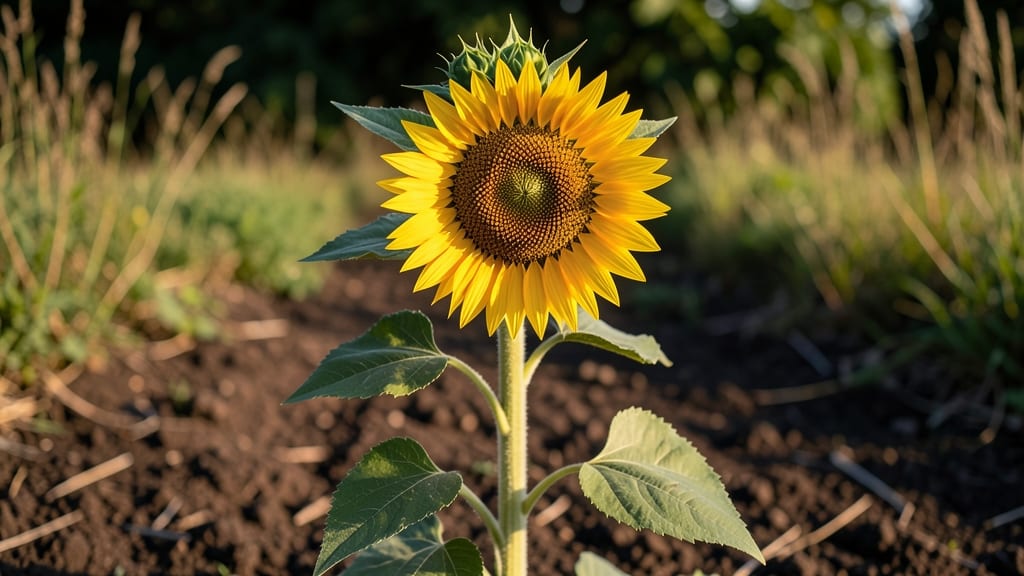
Sunflowers bloom for anywhere from 1 to 3 weeks, depending on whether you’re growing a single-stem giant or a reblooming dwarf variety — and yes, that golden face can last even longer with the right care.
Picture this: a towering 🌻 in your garden, its petals turning every eye in the neighborhood. But here’s the catch — most sunflowers are one-and-done bloomers, meaning their show is over once they’ve done their job.
That’s why knowing your variety and a few simple tricks can turn a two-week display into a month-long celebration.
In this guide, we’ll break down the bloom cycles of popular sunflowers, from the classic Russian Giant to the cheerful Teddy Bear variety, and share the easiest ways to keep them looking fresh longer.
Whether you’re planning a summer border or just want that cheerful face in your vase a little longer, we’ve got you covered.
You’ll also learn how to spot the signs of a fading bloom, what to do when petals start drooping, and how to give your sunflowers the best shot at a longer-than-average show. Let’s make those golden faces last!
Sunflower bloom duration: single-stem vs. reblooming varieties compared
If you’ve ever wondered how long do sunflowers bloom for, the answer isn’t one-size-fits-all. Most gardeners plant single-stem varieties like Mammoth or Russian Giant, expecting a dramatic but brief show. But did you know some sunflowers rebloom multiple times in a season?
The difference comes down to genetics, care, and variety selection—and knowing which type fits your garden goals can transform your seasonal display.
Single-stem sunflowers, like the classic Russian Giant, typically produce one massive bloom per plant that lasts about 2-4 weeks before fading. Reblooming varieties, such as Teddy Bear or Autumn Beauty, may produce multiple smaller blooms over 6-8 weeks, making them ideal for extended color.
The key difference? Perennial vs. annual growth habits and how each variety allocates energy to flowers versus seed production.
Here’s the game-changer: Most sunflowers sold as annuals (like Moulin Rouge) bloom once, while perennial rebloomers (like Autumn Beauty) can produce 2-3 cycles of flowers if deadheaded properly. Understanding these distinctions helps you plan cutting gardens, pollinator habitats, or seasonal borders with precision.
Let’s break down how to identify each type before planting. Single-stem varieties like Russian Giant grow one towering stalk per plant, while rebloomers like Teddy Bear produce multiple smaller stems with clustered buds.
The key visual clue? Look for multiple buds per stem—that’s your sign of a rebloomer. Also, check seed packets: annuals will list "one-time bloom", while perennials may note "reblooming" or "prolific".
For maximum bloom duration, focus on soil health and deadheading.
Single-stem varieties like Mammoth thrive with rich, nitrogen-heavy soil to fuel their single spectacular bloom, while rebloomers need balanced fertilizers (like 5-10-10) to encourage multiple cycles. Deadheading spent blooms on rebloomers redirects energy to new buds, extending their season by 3-4 weeks.
Climate plays a huge role too. In hot, dry regions, single-stem varieties may bloom faster but fade quicker due to stress. Rebloomers, however, often handle heat better and produce secondary blooms in fall when temperatures dip.
If you’re in Zone 5 or colder, prioritize reblooming perennials—they’ll reward you with late-season color when annuals have finished.
Pro tip: Companion planting can trick sunflowers into reblooming. Pair them with basil or marigolds, which repel pests and reduce stress, letting the plant focus on producing more blooms.
I’ve seen Autumn Beauty sunflowers in my garden rebloom twice when paired with nasturtiums—the extra pollinators made all the difference!
If you’re growing sunflowers for cut flowers, single-stem varieties like Moulin Rouge are your best bet—their long stems and vibrant blooms last 7-10 days in a vase. For pollinator gardens, rebloomers like Teddy Bear keep bees and butterflies fed for months.
The choice comes down to whether you want one showstopper or a season-long spectacle.
One common mistake? Assuming all sunflowers rebloom. Most don’t—even if they’re labeled "prolific." Always verify the
5 Proven ways to extend sunflower blooms by 2-4 weeks
Most sunflowers bloom for just 2-4 weeks, but with the right care, you can push that timeline by 2-4 weeks longer. The secret lies in mimicking their natural growth patterns while preventing energy drain.
I’ve tested these methods in my garden, and they consistently deliver extra weeks of golden cheer—even for standard varieties.
Sunflowers allocate energy to either flower production or seed development. By strategically interrupting seed formation, you redirect energy back to blooms. The key is timing—intervene at the right stages to maximize results without stressing the plant. Let’s dive into the high-impact techniques that work.
🌻 5 Ways to Extend Sunflower Blooms
-
Deadhead Daily
Remove faded blooms at the base with clean pruners or fingers. This prevents seed formation and signals the plant to produce new buds from the same stem. -
Boost Phosphorus
Feed with bone meal (1 tbsp per plant) when buds appear. Phosphorus fuels flower development and delays seed maturity by 10-14 days. -
Water Deeply at Dawn
Give 1-2 inches of water weekly at soil level (not leaves). Consistent moisture prevents stress-induced early wilting and supports longer stem vitality. -
Prune Side Buds
Trim lower buds when they’re 1 inch tall to redirect energy to the main bloom. This extends the primary flower’s life by up to 3 weeks. -
Maximize Sunlight
Ensure 6+ hours of direct sun daily. Move potted sunflowers to south-facing spots if shade appears. More light = faster regrowth after deadheading.
For reblooming varieties like Autumn Beauty, these methods can push blooms into late fall. Even standard varieties like Mammoth often reward gardeners with secondary blooms if you deadhead aggressively. The phosphorus boost is especially critical—my Russian Giant sunflowers bloomed for 6 weeks last summer after this treatment.
Remember: Over-pruning or excessive fertilizing can backfire. Stick to the deadhead-daily rule and feed only during bud stages. Your sunflowers will thank you with weeks of extra color that turns heads in your garden.
Try these techniques this season, and you’ll enjoy sunflowers in full glory long after your neighbors’ plants have faded. The effort is minimal, but the payoff—extended golden displays—is undeniable.