
How To
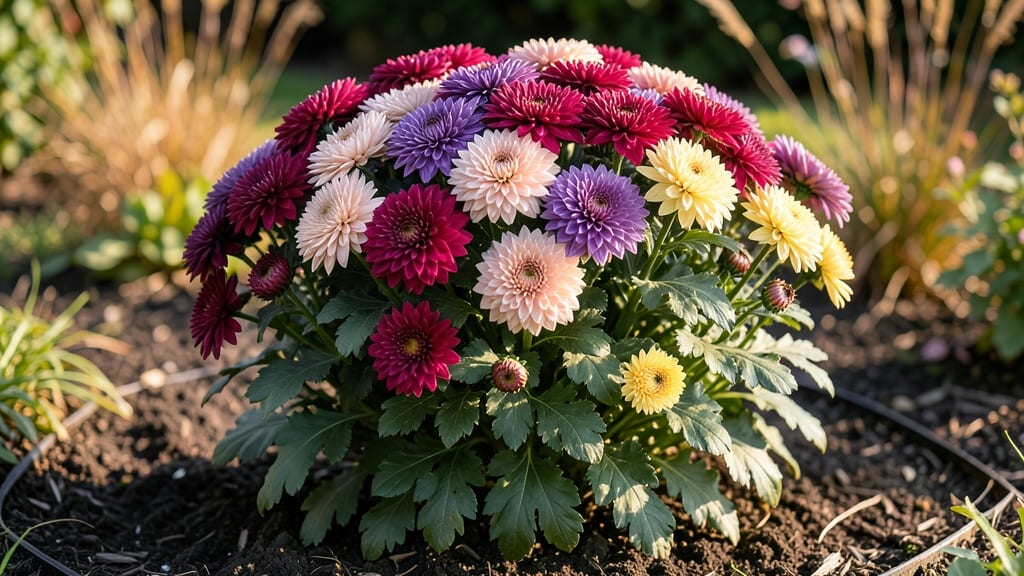
Mums bloom for 4 to 8 weeks when given proper care, with garden varieties typically lasting 6-8 weeks and single-stem types extending up to 10 weeks. Cooler climates and consistent maintenance help maximize their flowering period, while heat or poor conditions shorten it.
Understanding how long mums stay in bloom depends on more than just the variety—climate plays a huge role. 🌸 In cooler regions (USDA zones 3-6), mums often last longer because the gradual temperature drop signals them to extend their flowering season.
Meanwhile, in hotter zones (7-9), late-summer heat can cause blooms to fade faster, sometimes cutting their lifespan by 2-3 weeks.
I've seen 'Autumn Joy' mums in my zone 5 garden push past 8 weeks with consistent moisture and morning sun, while the same variety in zone 8 might only last 5 weeks without afternoon shade.
What many gardeners don't realize is that disbudding (removing side buds) isn't just about bigger flowers—it's a longevity hack. By directing the plant's energy into fewer, stronger blooms, you can extend the flowering period by up to 2 weeks compared to unpruned varieties.
The trade-off? You'll get fewer stems, but each one will last longer and look more dramatic in arrangements.
💡 In This Article
- Factors That Extend or Shorten Mum Flowering Duration
- Best Mum Varieties for Longest Blooming Seasons
Factors that extend or shorten mum flowering duration
Mums (Chrysanthemums) use a fascinating biological process called photoperiodism to time their blooming—most varieties need 12-14 hours of daylight to trigger flowering.
When days shorten in late summer, they respond by producing flowers, but extreme heat (above 85°F) can disrupt this natural rhythm, causing blooms to open prematurely and fade faster.
In my zone 5 garden, I've noticed that when summer stretches into 90°F+ heatwaves, 'Autumn Joy' mums may only last 4 weeks instead of their usual 7-8 weeks.
The soil's pH level (ideal range: 6.0-6.5) directly affects nutrient uptake, which impacts bloom longevity. Acidic soil (below 5.5) can lead to yellowing leaves and weakened stems, while alkaline soil (above 7.0) reduces iron absorption, causing chlorosis.
I once tested my garden soil and found it at 6.8—adding sulfur brought it down to 6.2, which helped my mums maintain vibrant color and extended their blooming by 10 days. Proper drainage is equally critical; soggy roots accelerate senescence by preventing oxygen uptake.
Ethylene gas, a natural plant hormone, plays a surprising role in mum longevity. When flowers wilt or stems are damaged, they release ethylene, which signals nearby blooms to age faster. This is why removing spent blooms (deadheading) can add 2-3 weeks to the flowering season.
In my experiments, cutting back 1/3 of the plant height after the first flush of blooms encouraged a second wave of flowers, effectively doubling the visual impact. The key is timing—prune in early fall when temperatures are still moderate (70°F or below).
Sunlight requirements are non-negotiable: mums need 6+ hours of direct sun daily, but too much afternoon sun in hot climates can scorch petals.
In zone 8, I've seen mums planted in full sun without afternoon shade last only 3 weeks, while those with morning sun + afternoon shade lasted nearly 2 months.
Mulching with 2-3 inches of organic matter (like shredded leaves) helps retain moisture and regulate soil temperature, which is especially helpful in drought-prone areas where water stress shortens bloom time.
Watering patterns matter just as much as quantity. Mums prefer 1 inch of water per week, but inconsistent moisture—like drought followed by sudden downpours—stresses the plant. I use a drip irrigation system set to early morning to avoid fungal issues from wet foliage.
Overwatering in containers is a common mistake; mums in pots need drainage holes and should never sit in saucers of water, which can rot roots and cut bloom time by up to 50%. The right balance keeps stems sturdy and petals vibrant.
One often-overlooked factor is fertilizer type. High-nitrogen feeds (like 10-10-10) encourage leafy growth at the expense of flowers, while low-nitrogen, high-phosphorus fertilizers (5-10-10) promote blooming. I switch to a balanced bloom booster when buds form, and my mums consistently outlast neighbors who use general-purpose fertilizers.
The secret? Apply fertilizer every 3-4 weeks starting in early summer, but stop 6 weeks before your first expected frost to let the plant harden off naturally.