
Blooming
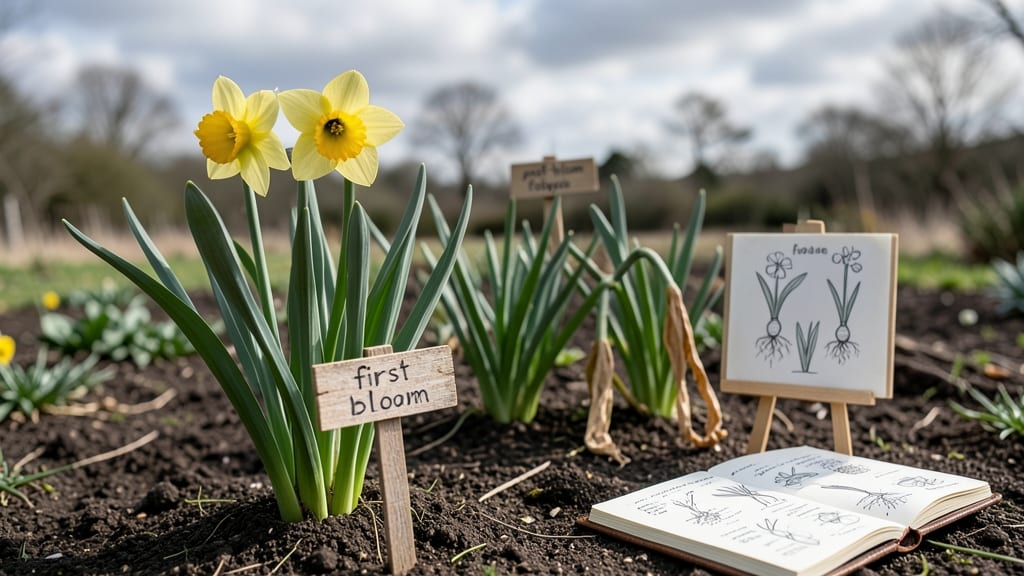
Daffodils do not always bloom only once—most varieties rebloom annually under ideal conditions, though some may take a year or two to establish and flower reliably. Proper care and soil health influence reblooming frequency.
Daffodils are fascinating because their blooming habits depend on both genetics and growing conditions. 🌼 Many gardeners assume they bloom once and fade away, but most varieties—especially reblooming daffodils—can produce stunning flowers year after year with the right care.
The key lies in their bulbs' energy reserves: after the first bloom, they need proper nutrients and sunlight to store enough energy for another round of flowers.
What sets reblooming varieties apart is their ability to produce a second flush of blooms in late summer or early fall, though this often happens only after the plant has fully established itself.
Early-season daffodils like 'Tête-à-Tête' or 'February Gold' are particularly reliable for this, while late-season types may need extra attention to encourage a return performance.
💡 In This Article
- Daffodil Life Cycle: Why Some Bloom Once and Others Return
- Tips to Encourage Annual Daffodil Reblooming
Daffodil life cycle: why some bloom once and others return
The secret behind a daffodil's blooming habits lies in its bulb's energy storage system. After the first spring bloom, the plant relies on stored nutrients in the bulb to fuel growth, leaf production, and—if conditions are right—another round of flowers.
Non-reblooming varieties like 'Ice Follies' or 'Jonquil' typically use up most of their energy in the initial bloom, leaving little for a second show. Rebloomers, however, have a more efficient energy cycle that allows them to produce flowers twice in one season.
Light exposure plays a critical role in this process. Daffodils need 6-8 hours of full sun daily to photosynthesize and build energy reserves. When planted in partial shade, they may produce fewer blooms or skip reblooming entirely.
The soil's nutrient balance is equally important—bulbs need a steady supply of phosphorus and potassium to support flower production. A soil test revealing low phosphorus levels (below 40 ppm) can explain why your daffodils aren't reblooming, as this nutrient is crucial for root and flower development.
Temperature also influences reblooming patterns. Early-season varieties like 'February Gold' often rebloom more reliably because they've had more time to establish strong root systems before summer heat arrives. Late-season types, such as 'Salome', may struggle in hot climates because their energy reserves deplete faster during extended summer growth.
The ideal reblooming window occurs when daytime temperatures stay below 85°F and nights remain cool (60-70°F).
What most gardeners overlook is the role of leaf health. Those long, strappy leaves after the first bloom aren't just for show—they're the plant's solar panels, converting sunlight into energy for next year's flowers. Removing them too soon (before they turn yellow) starves the bulb of its energy supply.
This is why you'll often see reblooming daffodils with slightly smaller second blooms—they're using stored reserves rather than fresh photosynthesis.
Comparing early and late-season varieties reveals another key difference: early bloomers like 'Tête-à-Tête' typically produce their second flush in late summer (August-September), while late bloomers may wait until October. The timing of this second bloom depends on when the plant completes its dormancy cycle.
Some varieties need a period of cooler temperatures to trigger the second flowering phase, which explains why they might skip reblooming in warm-winter climates.
Here's what's actually happening botanically: After the first bloom, the daffodil bulb enters a period of rapid leaf growth to replenish its energy stores. This process, called bulb maturation, can take 8-12 weeks depending on conditions.
Only bulbs that complete this cycle successfully will have enough reserves to produce another flower stalk. The size of the second bloom often correlates with how well this maturation process occurred—larger first blooms don't guarantee bigger second blooms, as it's all about stored energy, not initial display.