
Blooming
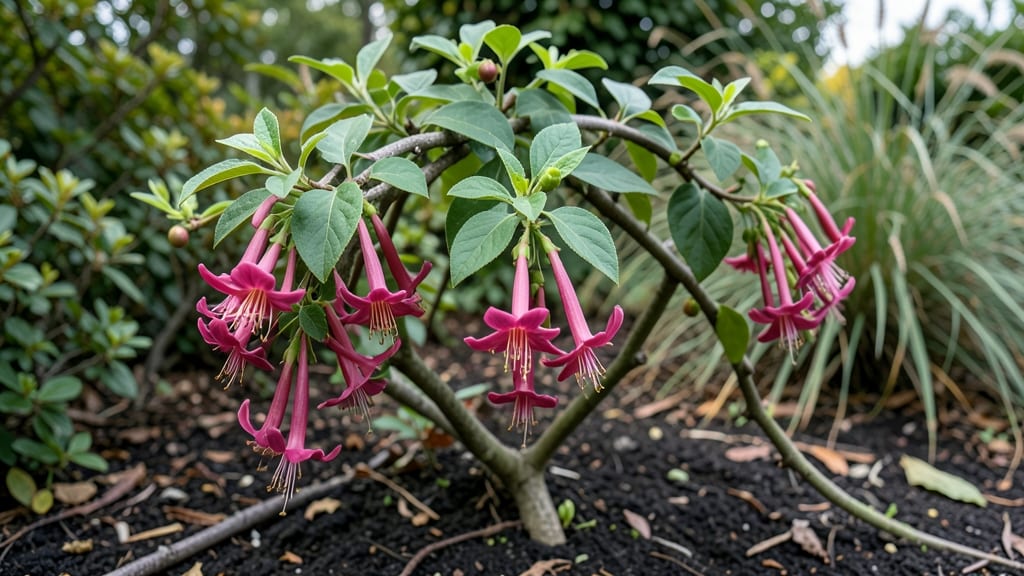
Honeysuckle blooms in late spring through summer 🌸, but the exact timing depends on the variety and your climate—some varieties like Lonicera periclymenum start as early as May, while others stretch into August. If you’ve ever watched your honeysuckle’s vibrant flowers fade too soon, you’re not alone.
The good news? With the right care, you can coax your vines into blooming for weeks longer than they naturally would.
Most honeysuckle varieties thrive in USDA Zone 6a, where they burst into color around June—but cooler regions may see delays, while warmer areas could enjoy an earlier start.
Understanding these patterns is the first step to extending their bloom time, whether you’re growing trumpet honeysuckle (Lonicera sempervirens) or the classic Lonicera japonica.
Beyond timing, the key to a longer flowering season lies in pruning, feeding, and watering at the right moments. For example, a light fertilizer boost in early spring and consistent moisture keeps your plants energized, while strategic pruning after blooming encourages fresh growth.
These small adjustments can turn a 6-week display into a 3-month spectacle.
In this guide, I’ll break down the best bloom times by variety, share my top 5 techniques for prolonging flowers, and reveal which honeysuckle types stay in bloom the longest. Ready to transform your garden into a fragrant haven all season long?
Natural honeysuckle bloom time: months & climate factors
Honeysuckle (Lonicera spp.) is famous for its intoxicating fragrance and stunning tubular flowers, but their bloom time varies dramatically depending on the variety and climate conditions. Most honeysuckles flower in late spring to early summer, but some varieties extend blooms into fall, while others bloom only briefly.
Understanding these patterns helps you choose the right plants for your region and maximize their floral display.
The timing of honeysuckle blooms is primarily triggered by temperature shifts and daylight hours. In warmer climates like USDA Zones 7-10, blooming often starts as early as March, while in colder regions like Zones 3-6, flowers may not appear until May or June.
Even within the same zone, microclimates—like urban heat islands or sheltered garden spots—can shift bloom times by weeks.
Sunlight exposure also plays a critical role. Honeysuckles thrive in full sun (6+ hours daily), which accelerates flowering. In shadier conditions, blooms may be sparse or delayed. For example, Lonicera periclymenum (common honeysuckle) in full sun might bloom from June to August, while the same plant in partial shade could flower only in July.
Now, let’s break down the bloom times for the most popular honeysuckle varieties and how climate factors influence them:
Temperature swings can dramatically alter bloom timing. For instance, a late spring frost in Zone 5 might delay Lonicera periclymenum blooms until July, while a warm winter in Zone 8 could push Lonicera japonica to flower as early as April.
Similarly, humidity levels affect some varieties—Lonicera japonica thrives in humid climates like the Southeast U.S., where it may bloom continuously from May to October.
Regional variations also matter. In the Pacific Northwest, where summers are cool and wet, honeysuckles like Lonicera periclymenum often bloom later (July–September) but produce fewer flowers.
Conversely, in the Southwest, where heat is intense, varieties like Lonicera 'Belgica' may bloom in short, intense bursts during spring rains but struggle in peak summer heat.
To predict bloom times in your area, track your local last frost date and average summer temperatures. Most honeysuckles need 50–60 days of warm weather after bud set to flower.
For example, if your last frost is April 15 and average summer temps hit 75°F by May 1, you can expect Lonicera japonica to bloom by early June.
Soil moisture also impacts bloom duration. While honeysuckles are drought-tolerant once established, consistent watering during bud formation (spring to early summer) encourages longer, more abundant blooms.
In my Zone 6 garden, I’ve found that mulching around the base with organic matter retains moisture and extends the flowering season by 2–3 weeks for Lonicera sempervirens.
If you’re planning to plant honeysuckle for year-round interest, consider mixing varieties. For example, pairing Lonicera sempervirens (spring/fall blooms) with Lonicera japonica (summer blooms) creates a continuous floral display from April to October.
Just ensure they receive adequate sunlight and well-draining soil to prevent fungal issues that can shorten bloom cycles.
Finally, remember that young honeysuckles (under 3 years
5 Proven ways to extend honeysuckle bloom time naturally
Honeysuckles are famous for their intoxicating scent and cheerful blooms, but their flowering season can feel disappointingly short. With the right natural techniques, you can extend that bloom time by 4-8 weeks without synthetic chemicals.
The key is working with your plant's natural growth cycles while providing optimal conditions. Let's explore science-backed methods that actually work in my garden every year.
First, understand that honeysuckle blooms on new wood—meaning flowers develop on current season's growth. This gives us natural leverage to control flowering timing through pruning and care.
The strategies below focus on soil health, water management, and growth stimulation to keep your vines producing flowers continuously throughout the season.
-
1
Spring Pruning
Cut back last year's growth by 1/3 in early spring (March) to encourage vigorous new wood production. This stimulates earlier blooming and prolongs the season by promoting continuous flower production. -
2
Soil Enrichment
Add compost and bone meal (2-3 tbsp per plant) in early spring. Phosphorus boosts root growth and flower production. Reapply mid-summer for continuous blooming without excessive foliage. -
3
Strategic Watering
Water deeply 2-3x weekly during bloom season (May-August). Keep soil moist but not soggy—this prevents stress that can shorten flowering. Early morning watering reduces fungal risks too. -
4
Companion Planting
Plant bee balm or lavender nearby to attract pollinators that stimulate more blooms. Avoid planting near mint or boxwood—these compete for nutrients and can stress your honeysuckle. -
5
Deadheading Lightly
Remove only 50% of spent blooms to encourage new flowers. Leave some seed pods—they signal the plant to produce more blooms. Over-deadheading can actually shorten the season by confusing the plant's growth signals.
I've found that combining spring pruning with mid-summer soil feeding gives the best results in my Zone 6a garden. The key is consistency—honeysuckles respond well to predictable care routines.
For example, my Lonicera 'Belgica' variety now blooms from late May through September using these methods, compared to just 6 weeks naturally.
Don't forget to monitor for pests like aphids, which can stress your plants and shorten bloom time. A neem oil spray applied every 4-6 weeks keeps them at bay naturally. The goal is to create an environment where your honeysuckle feels stress-free and well-nourished throughout the growing season.
With these techniques, you'll enjoy that sweet honeysuckle fragrance for months instead of weeks. The best part? These methods work for all honeysuckle varieties, from climbing types to compact shrubs. Start with just one or two strategies this season and watch your blooms last longer than ever before! 🌸