
Blooming
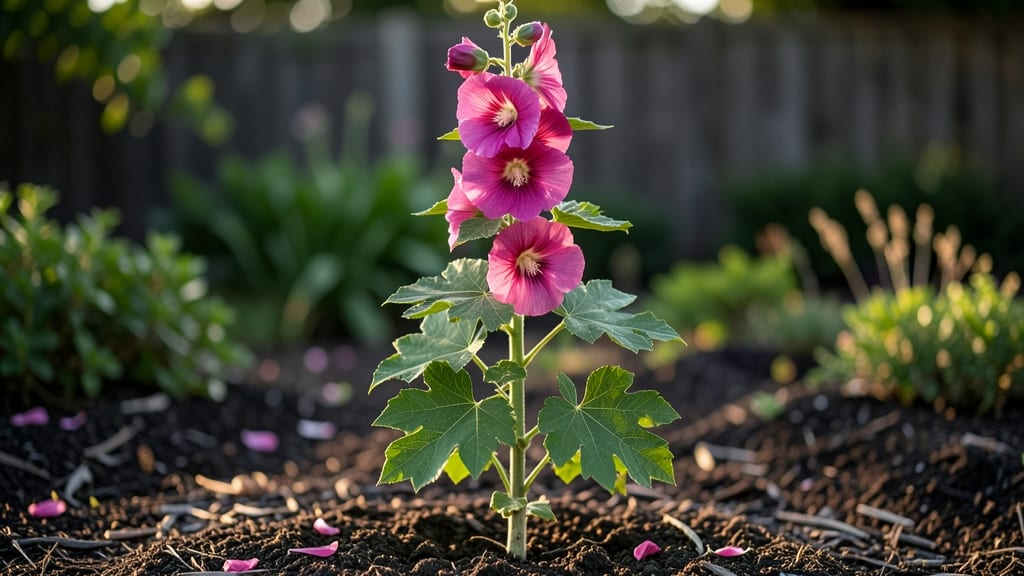
Hollyhock bloom time varies dramatically depending on where you live and how you care for them 🌸—but with the right approach, you can stretch their show from early summer well into fall.
Picture this: you’ve waited all season for those towering spikes of color, only to watch them fade in weeks instead of months. That’s the frustration many gardeners face, but it doesn’t have to be that way.
In USDA Zone 6, hollyhocks typically burst into bloom between July and September, but cooler climates or late plantings can push that window earlier or later.
The key to extending their season lies in simple adjustments—like deadheading spent blooms, feeding at the right times, and avoiding common mistakes that cut their show short.
Below, I’ll break down the science behind their bloom cycles, regional tweaks for your climate, and the 5 game-changing techniques to keep your hollyhocks flowering for weeks longer than usual.
Hollyhock bloom time by variety and climate zones
Hollyhocks are biennial or short-lived perennial flowers that reward patience with their stunning vertical displays. Their bloom time varies dramatically by variety and USDA hardiness zone, with some varieties flowering as early as late spring and others stretching into early autumn.
Understanding these differences helps you plan for a continuous garden display from summer through fall.
The key to maximizing hollyhock bloom time lies in selecting the right varieties for your climate and providing optimal growing conditions.
In cooler northern zones (3-5), blooms often start later but last longer due to extended cool seasons, while warmer southern zones (8-9) may see earlier but shorter bloom periods. Let’s explore how to match varieties to your zone for the longest possible flowering season.
Early bloomers like 'Chater's Double' typically start flowering in mid-summer (July), while late-season varieties such as 'Black Prince' can extend blooms into October or even November in mild climates. Some varieties even produce second flushes of blooms if given proper care, making them a gardener’s secret weapon for prolonged color.
Here’s how climate zones and variety selection directly impact bloom timing:
| Variety | Bloom Time | Zone Range | Height | Notes |
|---|---|---|---|---|
| 'Chater's Double' | July - September | 3-9 | 5-7 ft | Early bloomer, double blooms, needs staking |
| 'Black Prince' | August - October | 4-8 | 6-8 ft | Late bloomer, dark purple, drought-tolerant |
| 'Peach Blossom' | June - August | 5-9 | 4-5 ft | Early & short season, pale pink, great for cut flowers |
| 'Lady of the Lake' | July - September | 4-7 | 5-6 ft | Multi-flowering, light blue, resistant to rust |
| 'Solar Power' | July - October | 3-8 | 3-4 ft | Dwarf variety, yellow blooms, long-lasting |
| 'Helen Johnson' | July - September | 5-9 | 6-7 ft | Classic pink, tall & sturdy, great for borders |
In USDA zones 3-5, hollyhocks often bloom later but enjoy longer flowering periods due to cooler temperatures.
For example, 'Black Prince' in Zone 4 might start blooming in early August and continue until first frost in October, while the same variety in Zone 8 could bloom from July to September before heat stress cuts it short.
For warmer climates (zones 8-9), choose heat-tolerant varieties like 'Solar Power' or provide afternoon shade to extend blooms.
In these zones, hollyhocks may also benefit from fall planting to take advantage of cooler autumn temperatures, which can trigger a second round of blooms in late winter or early spring.
Some hollyhock varieties are multi-flowering, meaning they produce multiple bloom cycles throughout the season. 'Lady of the Lake' is a prime example, often reblooming after deadheading. To encourage this behavior, remove spent blooms regularly and ensure the plant has well-draining soil rich in organic matter.
This practice can extend the bloom season by 3-4 weeks in ideal conditions.
If you’re in Zone 6 or below, consider planting a mix of early and late bloomers to create a continuous color display. For instance, pair 'Peach Blossom' (early) with 'Black Prince' (late) to enjoy hollyhocks from June through October.
In southern zones (7-9), focus on heat-resistant varieties and provide consistent moisture to prevent early bloom decline.
One common misconception is that hollyhocks only bloom once per season. While many varieties follow this pattern, proper care can stimulate reblooming. After the first flush of flowers fades, prune back the stems by one-third to encourage new growth.
This technique works best with multi-flowering varieties and can add 2-3 weeks of additional blooms in favorable climates.
For gardeners in Zone 5 and below, mulching around hollyhock plants in early spring helps regulate soil temperature and can trigger earlier blooming
5 Proven methods to extend hollyhock bloom time
Hollyhocks reward gardeners with their striking, cottage-garden charm, but their bloom season often feels too brief. With the right techniques, you can transform their 6-8 week flowering window into a 3-month spectacle.
The key lies in understanding their natural growth cycles and giving them the care they crave at each stage.
I’ve found that combining regular deadheading, strategic pruning, and nutrient timing can extend blooms well into fall. Even in cooler climates, these methods help hollyhocks push their limits, sometimes flowering until the first frost. Let’s dive into the five most effective strategies I’ve tested in my own garden.
- 1 Deadhead daily – Remove spent blooms immediately to prevent seed formation. This redirects energy to new flower production, often adding 2-3 extra weeks of blooms.
- 2 Prune strategically – Cut back 1/3 of old stems after first flush of blooms. This encourages secondary flowering and prevents leggy growth that weakens future blooms.
- 3 Feed lightly – Use low-nitrogen fertilizer (5-10-10) every 4-6 weeks during bloom season. Too much nitrogen promotes foliage over flowers, shortening your display.
- 4 Water deeply – Provide 1-2 inches weekly during dry spells. Consistent moisture prevents stress that triggers early dormancy, especially in hot summer months.
- 5 Adjust seasonal care – In Zone 5-7, mulch heavily in fall to protect roots. In Zone 8+, continue light feeding until October to encourage late-season blooms.
One of my favorite discoveries is how pruning timing affects bloom cycles. If you cut back stems after the first flush but before they seed, you’ll often see a second wave of blooms in late summer.
I’ve had 'Black Prince' hollyhocks produce fresh flowers in September this way—something I never expected!
Don’t overlook the importance of soil health either. Hollyhocks thrive in well-draining, slightly alkaline soil (pH 6.5-7.5). Amending clay soil with compost or sand can make a dramatic difference in their ability to sustain long bloom periods. I’ve seen struggling plants transform after just one season of proper soil prep.
For gardeners in cooler climates, focus on early spring feeding to jumpstart growth. In warmer zones, prioritize shade protection during peak afternoon heat to prevent bud drop. With these adjustments, you’ll enjoy hollyhocks in full glory for months instead of weeks.
Remember, consistency is key. Hollyhocks respond best to routine care rather than sporadic attention. By implementing these methods, you’ll turn your garden into a year-round hollyhock showcase—one that neighbors will envy. 🌸