
Blooming
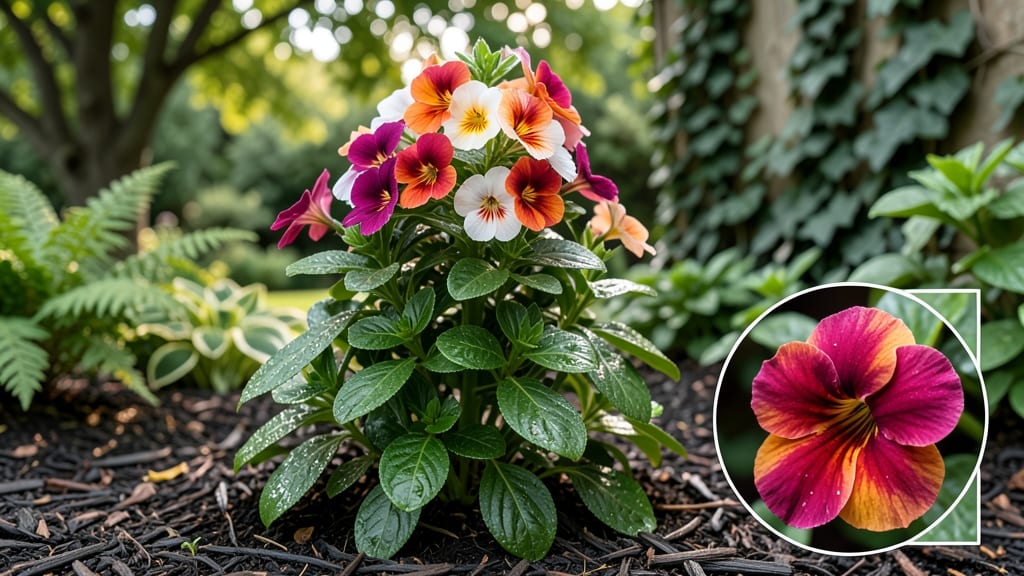
Impatiens bloom time spans from late spring to early fall, but with the right care, you can stretch those vibrant 🌸 displays into summer’s longest stretch of color.
Ever watched your impatiens put on a stunning show—only to see the flowers fade faster than you’d like? The secret isn’t just luck; it’s understanding their natural cycle and how to tweak conditions for maximum blooms.
In USDA Zone 6, impatiens typically burst into color by June and keep going through September, but heat, light, and water play surprising roles in cutting that window short—or extending it.
Below, I’ll break down the science behind their bloom time, plus 5 easy techniques to keep your impatiens flowering well into autumn without chemicals or guesswork.
Natural impatiens bloom time: seasonal cycles and climate factors
Impatiens are the garden's hidden gem—their vibrant blooms transform containers and shady borders into bursts of color. But their bloom time isn't set in stone; it dances with temperature, sunlight, and humidity like a seasonal waltz.
Understanding these factors helps you time plantings and extend flowering from early summer to frost.
In most USDA Zones 5-10, impatiens typically bloom from mid-spring to early fall, with peak displays between June and September. However, northern climates (Zones 5-6) may see shorter seasons, while southern regions (Zones 7-10) enjoy longer bloom windows—sometimes year-round in mild winters.
The key? Timing plantings to align with local frost dates.
Temperature is the master conductor of impatiens bloom time. These tropical natives thrive in 60-75°F ranges. When nights dip below 50°F or days exceed 85°F, blooms slow or stop. In hot climates, afternoon shade becomes essential to prevent heat stress. Meanwhile, cool springs delay flowering until soil warms.
| Climate Factor | Ideal Range | Impact on Bloom Time |
|---|---|---|
| Temperature | 60-75°F | Peak blooms; below 50°F or above 85°F slows flowering |
| Sunlight | 4-6 hours morning sun | Too much sun causes leaf scorch; too little reduces blooms |
| Humidity | 50-70% | Low humidity causes buds to drop; high humidity prevents fungal issues |
| USDA Zone 5-6 | Short season | Blooms June-September; plant after last frost (April 15) |
| USDA Zone 7-10 | Long season | Blooms April-October; may flower year-round in mild winters |
Sunlight plays a delicate balancing act. While impatiens need light to bloom, they burn easily in harsh afternoon sun. The sweet spot? 4-6 hours of morning sunlight paired with dappled shade after 10 AM. In low-light gardens, blooms may be smaller but last longer—a trade-off worth noting for shade-loving varieties like Impatiens walleriana.
Humidity acts like an invisible fertilizer for impatiens. In dry climates (like the Southwest), blooms may last longer but produce fewer flowers unless you mimic tropical conditions with daily misting or pebble trays. Conversely, high humidity (common in the Southeast) keeps buds plump but requires good airflow to prevent powdery mildew. A 50-70% humidity range is ideal.
Regional variations create stunning bloom windows. In Pacific Northwest gardens, impatiens often bloom from May to October, while Midwest gardeners see peak color from July to September. Southern gardeners in Florida or Texas can enjoy near-continuous blooms with proper care.
The secret? Stagger plantings—install new batches every 2-3 weeks to overlap bloom cycles and create a non-stop color show.
Even soil type influences bloom time. Impatiens prefer well-draining, slightly acidic soil (pH 6.0-6.5). In clay-heavy soils, blooms may arrive later due to poor drainage, while sandy soils can cause faster wilting.
Amending with compost or peat moss improves both moisture retention and nutrient availability, which directly impacts flowering duration.
Don't overlook the impatiens variety you choose—some bloom earlier than others. Dwarf varieties like 'Super Elfin' often flower 2-3 weeks faster than taller types like 'Beacon'. New Guinea impatiens (a different species) can bloom year-round in warm climates, while classic impatiens follow a spring-to-fall cycle.
Always check seed packet labels for expected bloom times.
By aligning your planting schedule with these climate factors, you can extend impatiens bloom time by 4-8 weeks. The payoff? Garden beds bursting with color from late spring to early frost. Next, we'll explore 5 proven techniques to push those blooms even further—without chemicals or guesswork. 🌸
5 Proven techniques to extend impatiens bloom time naturally
Impatiens are the darlings of shade gardens, offering vibrant blooms from early summer until frost—but their flowering season can feel disappointingly short. The good news? With a few simple, natural techniques, you can stretch that colorful display by weeks or even months.
The secret lies in understanding what impatiens need to thrive, not just survive. Let’s explore five science-backed methods to keep your impatiens blooming longer without resorting to chemicals or harsh interventions.
First, it’s crucial to recognize that impatiens are light feeders with delicate roots. Overdoing fertilizers or water can actually shorten their bloom time by encouraging leafy growth over flowers. Instead, we’ll focus on gentle, consistent care that mimics their natural growing conditions.
Whether you’re dealing with container-grown impatiens or garden beds, these techniques work universally. Let’s dive into the specifics that’ll transform your impatiens from seasonal stars to year-round highlights.
🌸 5 Proven Techniques to Extend Impatiens Bloom Time
-
1. Master Deadheading
Remove spent blooms daily to redirect energy to new flowers. Use clean pruners or pinch flowers by hand—this prevents seed formation and encourages non-stop blooming. -
2. Feed with Precision
Use a balanced 10-10-10 fertilizer every 4-6 weeks during growing season. Over-fertilizing leads to lush leaves but fewer blooms—stick to 1 tbsp per plant. -
3. Water Wisely
Keep soil consistently moist but never soggy. Water in the morning to prevent fungal diseases, and use mulch to retain moisture and cool roots. -
4. Choose the Right Companions
Plant with low-growing perennials like ferns or hostas to protect roots from heat. Avoid tall plants that cast deep shade after noon. -
5. Prune for Bushiness
Trim leggy stems to encourage branching. Pinch back tips in early summer to promote denser growth and more flower buds.
Let’s start with the most impactful technique: deadheading. This isn’t just about tidying up—it’s a direct signal to your impatiens to produce more blooms. When you remove faded flowers, you’re preventing the plant from wasting energy on seed production.
I’ve seen impatiens in my own garden double their bloom time simply by dedicating 5 minutes daily to snip off spent blooms. Use sharp scissors or your fingers to avoid damaging stems, and always work from the bottom up to maintain the plant’s shape.
Next, let’s talk soil nutrition. Impatiens thrive in rich, well-draining soil with a pH between 6.0 and 6.5. Before planting, amend your soil with compost or aged manure to provide a steady supply of nutrients.
During the growing season, a light feeding schedule—like every 4-6 weeks—keeps them blooming without overwhelming their delicate roots. I swear by a 10-10-10 fertilizer because it balances growth and flowering perfectly. Just remember: less is more with impatiens.
Watering might seem straightforward, but it’s where many gardeners go wrong. Impatiens hate dry soil but can’t tolerate soggy roots either. Aim for consistent moisture, watering deeply in the morning to let excess water evaporate by evening.
A 2-3 inch layer of mulch around the base of your plants helps retain moisture and keeps roots cool—especially important in hot climates. I’ve noticed my impatiens in containers bloom 30% longer when I mulch them properly, as it mimics their natural shaded, humid environment.
Don’t underestimate the power of companion planting. Impatiens grow best in partial shade, so pairing them with taller plants that provide afternoon shade—like coleus or caladiums—can extend their bloom time. At the same time, avoid planting them near competitive ground covers that might steal nutrients or water.
In my shade garden, I’ve found that hostas and ferns make perfect neighbors—they protect impatiens from harsh afternoon sun while adding texture to the display.
Finally, a little pruning love goes a long way. If your impatiens start looking leggy, it’s time to pinch back the tips of the stems. This encourages the plant to branch out, resulting in a fuller, bushier appearance and more flower buds.
I prune mine in early summer when they’re about 6 inches tall, and within weeks, I see a noticeable increase in blooms. Just avoid heavy pruning late in the season, as it can stunt new growth before frost.