
Blooming
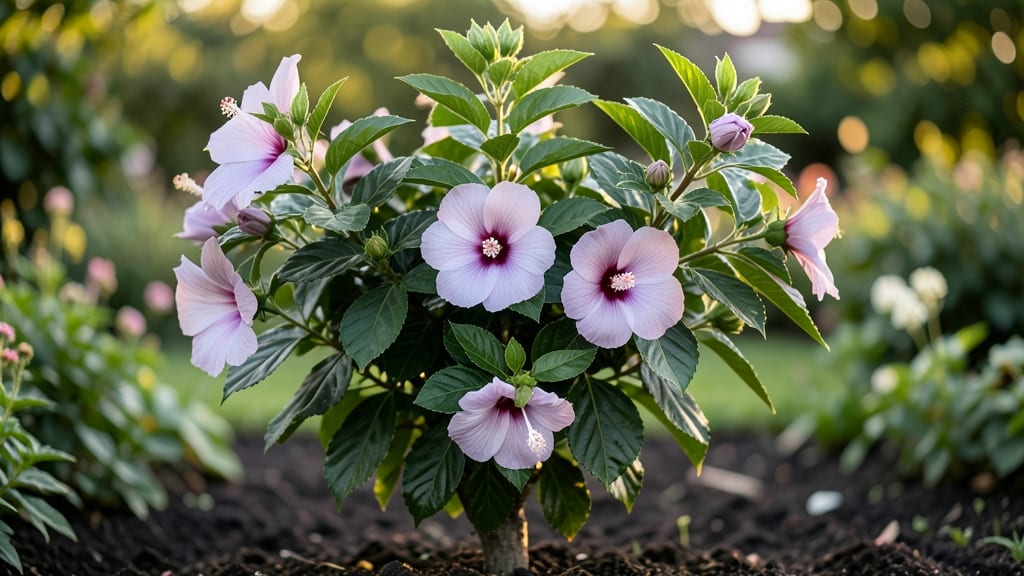
The hardy hibiscus bloom time varies by variety and climate zone, but most stunning flowers appear from late July through September — a showstopper for any garden.
If you’ve ever wondered why your hardy hibiscus blooms seem unpredictable—or when to expect those vibrant flowers—this guide reveals the exact bloom times for popular varieties, tailored to your climate zone.
From the bold Hibiscus moscheutos to the classic Hibiscus syriacus, each type has its own schedule, influenced by sunlight, temperature, and even your USDA zone. In cooler regions like Zone 6a, blooms may start slightly later, while warmer zones see earlier displays.
Discover how to extend your hibiscus’s bloom season, from pruning tips to seasonal care adjustments, so you can enjoy those showy, long-lasting flowers for weeks longer.
Hardy hibiscus bloom time by variety: month-by-month breakdown
Hardy hibiscus varieties like Hibiscus moscheutos and Hibiscus syriacus are prized for their dramatic blooms, but their timing varies dramatically by type. Knowing your variety’s bloom window helps you plan for peak color and adjust care routines.
For example, swamp hibiscus (H. moscheutos) typically bursts into flower in late summer, while rose of Sharon (H. syriacus) often starts earlier. Climate zone also plays a critical role—cooler regions may see delayed blooms by 2-4 weeks compared to warmer areas.
To maximize your hibiscus’s potential, focus on three key factors: variety selection, sunlight exposure, and seasonal pruning. Early bloomers like ‘Southern Belle’ can start as early as June in USDA Zone 8, while late-season varieties like ‘Lady Baltimore’ may not peak until September.
Below, I’ve broken down the month-by-month bloom schedules for top hardy hibiscus varieties, adjusted for USDA Zones 5-9, so you can anticipate—and extend—their stunning displays.
| Variety | Primary Bloom Window (USDA 6-8) | Adjustment for USDA 5 | Adjustment for USDA 9 | Bloom Duration |
|---|---|---|---|---|
| ‘Southern Belle’ (H. moscheutos) | July–September | June–August (2 weeks earlier) | June–October (extended by 2 weeks) | 6–8 weeks |
| ‘Lady Baltimore’ (H. moscheutos) | August–October | July–September (delayed) | July–November (longer season) | 8–10 weeks |
| ‘Diana’ (H. syriacus) | June–August | May–July (earlier start) | May–September (extended) | 10–12 weeks |
| ‘Autumn Rouge’ (H. syriacus) | July–September | June–August (shorter) | June–October (longer) | 8–10 weeks |
| ‘Hamabo’ (H. syriacus) | June–August | May–July (earlier) | May–September (extended) | 10–12 weeks |
Hibiscus moscheutos varieties like ‘Southern Belle’ and ‘Lady Baltimore’ are the showstoppers of late summer gardens, with bold, dinner-plate-sized blooms that last for weeks. Their peak season aligns with USDA Zones 6-8, where they thrive in full sun and moist soil. In cooler Zone 5, expect blooms to start 2-3 weeks earlier due to longer daylight hours in spring, while Zone 9 gardens enjoy extended flowering into early fall.
If you’re in Zone 5, prioritize early-blooming varieties like ‘Diana’ (H. syriacus), which can start flowering as early as May if planted in a south-facing, sheltered spot. Use black plastic mulch in early spring to warm the soil and trigger earlier bud formation.
Meanwhile, gardeners in Zone 9 can push blooms later by pruning lightly in early summer to encourage new growth and secondary flushes.
For continuous color, mix varieties with staggered bloom times. Pair ‘Southern Belle’ (July–September) with ‘Diana’ (June–August) to create a 3-month display. In USDA Zone 7, this combo ensures blooms from late June through October, giving you a near-year-round show.
Pro tip: Deadhead spent blooms weekly to redirect energy into new flowers and prolong the season by 2-4 weeks.
Climate isn’t the only factor—soil moisture and fertilizer timing also influence bloom schedules. Hardy hibiscus need consistent moisture during bud formation, especially in Zone 9’s hot summers, where drought stress can delay blooms.
Apply a balanced 10-10-10 fertilizer in early spring and again after the first flush of blooms to support continuous flowering. Avoid high-nitrogen feeds, which encourage leafy growth at the expense of flowers.
In USDA Zone 5, where winters are harsh, protect your hibiscus with a thick layer of mulch (4–6 inches) and a burlap wrap around the trunk to prevent winter sunscald. This winter care pays off in earlier spring growth and advanced bloom times the following summer.
For example, a well-protected ‘Lady Baltimore’ in Zone 5 may bloom as early as late June, compared to early August in unprotected plants.
For gardeners in Zone 9, focus on shade cloth during peak summer to prevent heat stress, which can cause buds to drop. Lightly prune in early summer to remove overly leggy growth and encourage compact, bushier plants with more blooms.
This adjustment can extend the bloom window by 3-5 weeks, giving you flowers well into November in mild winters.
To track your hibiscus’s progress, mark the first bloom date each year and adjust care routines accordingly. For instance, if your ‘Autumn Rouge’ blooms 2 weeks later than expected, it may signal insufficient sunlight or
How climate Zone affects hardy hibiscus bloom time: what to expect
Your hardy hibiscus may bloom like clockwork in USDA Zone 8, but in Zone 5, those same flowers could arrive weeks later—or not at all. Climate zone shifts the entire bloom window by altering temperature triggers, sunlight intensity, and frost dates.
Understanding these patterns helps you anticipate—and even manipulate—when your hibiscus will burst into color.
In warmer zones (USDA 9-10), hardy hibiscus often start blooming as early as June, while in cooler zones (USDA 5-6), they may not open until late July or August.
The difference comes down to day length and soil warmth, both of which vary dramatically across regions. Even within the same zone, microclimates (like urban heat islands or sheltered valleys) can push bloom times 2-4 weeks earlier or later.
- 🌡️ Zone 5-6: Blooms July-August (waits for soil to warm to 60°F+)
- 🌞 Zone 7-8: Blooms June-September (longer growing season)
- ☀️ Zone 9-10: Blooms May-October (year-round potential with protection)
- ❄️ Frost Risk: First frost before October 15? Expect shorter bloom season
- 🌱 Sunlight Rule: 6+ hours daily = earlier blooms; less sun = delayed or sparse flowers
If you live in a cooler climate, your hibiscus might need a head start. Mulching in early spring (when soil temps hit 50°F) warms roots faster, triggering blooms 2-3 weeks earlier.
Conversely, in hotter zones, afternoon shade can prevent bud drop during peak summer heat, extending the bloom season into October or November.
Don’t overlook vernalization—some hardy hibiscus varieties (like Hibiscus moscheutos) require a period of cool winter temperatures to set buds for the next season. Skipping this step in mild-winter zones can result in fewer or weaker blooms the following year.
A light frost in late winter often jumpstarts the process naturally.
For gardeners in transition zones (USDA 6b-7a), the key is seasonal adjustments. Prune back 1/3 of growth in early spring to encourage new, vigorous shoots that bloom earlier. In fall, avoid heavy pruning—let the plant retain some foliage to photosynthesize and store energy for next year’s flowers.
Pro tip: Track your local first bloom date for 2-3 years to spot patterns. If your hibiscus blooms late every year, it might need more sunlight or a warmer microclimate. Small changes—like moving it to a south-facing wall or adding black plastic mulch—can shift bloom times dramatically.
With the right adjustments, your hardy hibiscus can bloom earlier, longer, or even year-round in suitable zones. The secret lies in working with your climate—not against it. 🌸