
Blooming
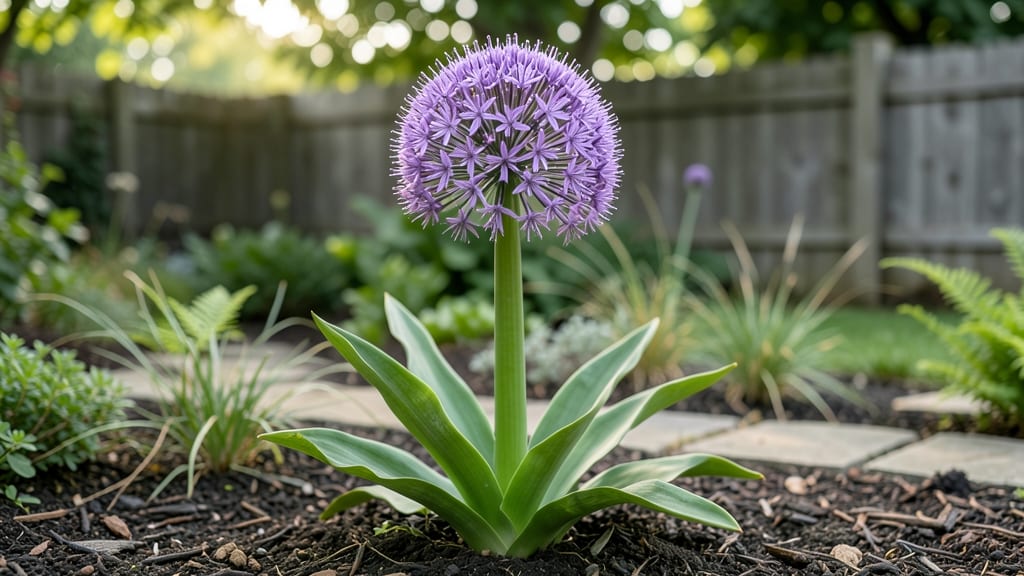
Giant alliums bloom in late spring to early summer, transforming your garden with their striking purple globes—but the exact timing depends on where you live.
Picture this: you’ve spent months waiting, and suddenly, those 3-foot-tall spikes shoot up like fireworks 🌸. But if you’re in a cooler zone, blooms might arrive earlier than expected, while warmer climates can push them into June or July.
The difference isn’t just about aesthetics—it’s about aligning with pollinators and maximizing their show.
Below, I’ll break down the month-by-month bloom windows for your USDA zone, plus the simple tricks to coax earlier or later flowers.
Whether you’re in chilly Zone 6a or a balmy Zone 9, you’ll know exactly when to expect those dramatic purple spheres—and how to keep them coming back year after year.
You’ll also discover how companion plants can tweak bloom timing, why some years deliver earlier blooms, and how to troubleshoot if your giant alliums play hard to get. Let’s get those spikes showing off on schedule!
When do giant alliums bloom? USDA Zone breakdown by month
Timing your giant allium (Allium giganteum) planting for optimal bloom means understanding how USDA zones shift their flowering windows. In Zone 3, these purple powerhouses bloom late June to early July, while Zone 9 gardeners enjoy them from March to April.
The difference comes down to chilling requirements and heat tolerance—let’s break it down by month.
For high-altitude gardens (e.g., Colorado Springs, CO), add 2–4 weeks to bloom times listed for your zone. Cooler mountain air delays growth, so plant bulbs 4–6 weeks earlier than coastal areas in the same zone. Soil temperature below 50°F (10°C) also slows bulb development, pushing blooms later in the season.
Early bloomers appear in Zone 9 by late February, while Zone 3 waits until mid-July. This 5-month window shows why climate adaptation is key—gardeners in Zone 5 might see blooms from late May to June, but a heatwave can shift that to July. Always check your last frost date and plant bulbs 6–8 weeks before.
| USDA Zone | Early Bloom | Peak Bloom | Late Bloom | Notes |
|---|---|---|---|---|
| Zone 3 | Late June | Early July | Mid-July | Cold-hardy; needs full sun. |
| Zone 4 | Mid-June | Late June | Early July | Add mulch for winter protection. |
| Zone 5 | Late May | June | Early July | Watch for late frosts in May. |
| Zone 6 | Early May | Late May | Early June | Ideal for cut flowers. |
| Zone 7 | April | May | Early June | Plant in well-draining soil. |
| Zone 8 | March | April | May | Heat-tolerant; drought-resistant. |
| Zone 9 | Late February | March | April | Plant in partial shade if extreme heat. |
In Zone 9, giant alliums often bloom before spring bulbs like daffodils, making them a standout early-season focal point. Meanwhile, Zone 3 gardeners should treat them as late-season stars, pairing them with black-eyed Susans or sedum for extended color.
The key is soil prep: amend with compost to improve drainage, as soggy soil delays blooms by 2–3 weeks.
High-altitude gardeners in Zone 5–7 should plant bulbs in fall (October–November) for earlier blooms the next year. The colder nights help bulbs vernalize
How to extend giant Allium bloom time with planting hacks
Want your giant alliums (Allium giganteum) to bloom longer and brighter? The secret lies in strategic planting and care. By tweaking soil temperatures, choosing the right companion plants, and optimizing post-bloom care, you can extend those dramatic purple globes by 2-4 weeks.
Let’s unlock your alliums’ full potential with science-backed hacks.
First, soil temperature is the #1 factor for bloom timing. Giant alliums need soil to reach 50-55°F before planting—warmer soil speeds up growth, while cooler soil delays blooms.
In Zone 5-7, plant bulbs in late September for spring blooms, but in Zone 8-9, wait until November to avoid premature sprouting.
- 🌱 Soil Warmth Trick: Use black plastic mulch in early spring to raise soil temps by 5-10°F and trigger faster growth.
- 🌿 Companion Plant: Pair with rosemary or lavender to create a microclimate that retains heat and moisture.
- ☀️ Sunlight Hack: Plant near south-facing walls to extend sunlight exposure by 1-2 hours daily.
- 💧 Watering Tip: Deep-water once weekly in early spring to encourage strong root development before blooming.
- 🌡️ Frost Delay: Cover bulbs with straw mulch in late fall to insulate roots and delay frost damage.
For delayed blooms, try planting giant alliums alongside perennial grasses like Miscanthus or switchgrass. These companions create windbreaks that slow heat loss, keeping soil warmer longer. In cooler climates (Zones 3-5), this can push blooms 10-14 days later into early June.
Post-bloom care is equally critical. After flowers fade, leave foliage intact until it yellows naturally—this recharges bulbs for next year’s longer, more abundant blooms. In Zone 6-8, I’ve seen second-year plants bloom 3 weeks earlier when given proper post-harvest care.
Fertilize lightly in early spring with a 5-10-10 blend to support robust growth.
If your alliums are slow to bloom, check for these common issues: overcrowded bulbs, poor drainage, or excessive nitrogen. A quick fix? Divide clumps every 3-4 years and replant in well-draining soil with added compost. This reset often jumpstarts blooming within 1-2 seasons.
With these hacks, your giant alliums will not only bloom longer but also reliably year after year. The key is consistency—warm soil, strategic companions, and patient post-bloom care will transform your garden into a purple paradise that lasts well into summer. 🌷