
Blooming
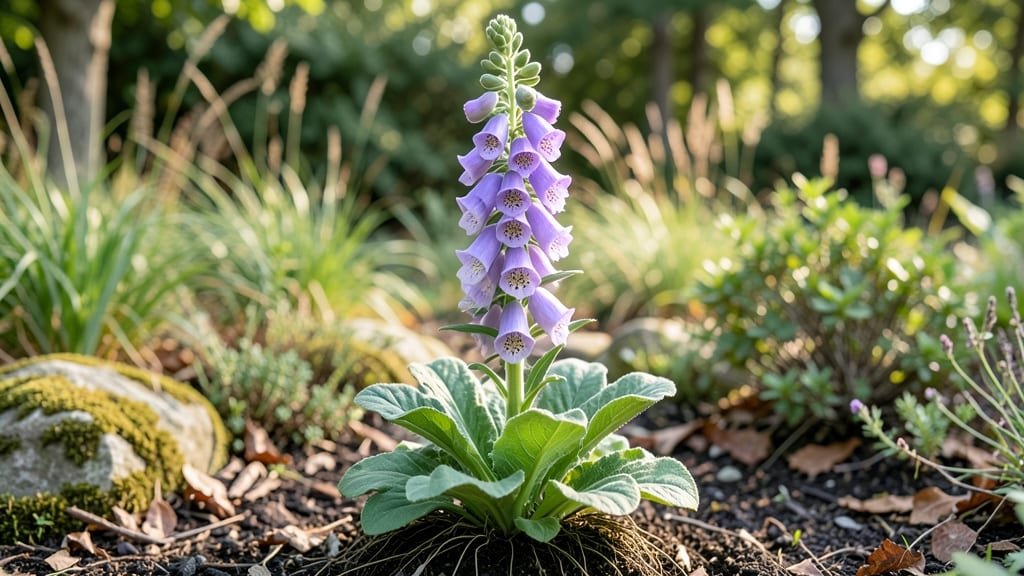
The foxglove flower bloom time is a magical moment in late spring to early summer 🌸, when your garden transforms into a fairy-tale scene with its towering spikes.
If you’ve ever waited impatiently for those iconic bell-shaped blooms to appear, you’re not alone—timing is everything with this beloved but finicky garden star.
Unlike many perennials, foxglove often blooms only in its second year, making patience (and the right conditions) the key to unlocking those dramatic purple, pink, or white spikes.
Below, I’ll break down the exact bloom windows by region, how to coax earlier flowers, and why some plants never bloom at all—plus the simple tricks that work.
Foxglove bloom time by season: natural cycles & regional variations
Foxglove (Digitalis purpurea) is a biennial plant with a predictable bloom cycle that thrives in late spring to early summer. Most varieties produce their iconic bell-shaped flowers in their second year, making timing critical for gardeners eager to see those dramatic flower spikes appear.
Understanding these natural cycles helps you align expectations with your climate zone and regional conditions.
The typical bloom window for foxglove spans from May to July, but this can shift by 2-4 weeks depending on your USDA hardiness zone. In cooler climates (USDA Zones 3-5), blooms often appear earlier, while warmer zones (USDA Zones 7-9) may see delayed or staggered flowering.
This biennial nature means first-year plants focus on leafy rosettes, reserving energy for flower production in year two.
Regional variations play a huge role in bloom timing. For example, Pacific Northwest gardeners often see foxglove blooms as early as late April, while Southern gardeners in Zone 8 might not see flowers until mid-June. European gardeners in UK Zone 7 typically enjoy blooms from June to August, aligning closely with North American Zone 6-7 timelines.
| Region | USDA Zone | Typical Bloom Window | Key Factors |
|---|---|---|---|
| Pacific Northwest (USA) | 6-7 | Late April - Early June | Cooler springs, consistent rainfall |
| Northeast (USA) | 5-6 | May - Mid-June | Moderate temperatures, partial shade |
| Southeast (USA) | 7-8 | Mid-June - July | Warmer springs, afternoon shade |
| UK (Europe) | 7-8 | June - August | Mild summers, consistent moisture |
| Northern Europe | 4-5 | Late May - July | Cooler summers, shorter daylight |
In USDA Zone 3-4, foxglove often blooms earlier in May due to cooler temperatures triggering flower production. Meanwhile, Zone 8-9 gardeners may experience delayed blooms until July as the plant waits for optimal growing conditions.
This regional shift is why strategic planting in fall or early spring can help align blooms with your preferred garden timeline.
The biennial lifecycle of foxglove means first-year plants won’t bloom at all—they focus on root and leaf development. Only in year two do they produce those showstopping flower spikes.
This is why patience is key: if you sow seeds in spring 2024, expect blooms in summer 2025. However, transplanted biennials or established clumps may bloom year-round in mild climates, though peak production still occurs in late spring.
Light exposure also influences bloom timing. Foxglove thrives in partial shade (3-6 hours of sun), and too much direct sunlight can cause early bud drop. In shadier climates, blooms may appear 1-2 weeks later as the plant adjusts to lower light levels. Conversely, dappled sunlight (like under deciduous trees) often yields healthier, longer-lasting blooms.
Soil moisture is another critical factor for timing. Foxglove prefers consistently moist but well-drained soil—drought stress can delay blooms, while waterlogged conditions may cause root rot and missed flowering.
In drier regions (like Zone 7-9), mulching with organic matter helps retain moisture and encourages earlier blooms by reducing watering stress.
To extend the bloom season, try deadheading spent flowers—this removes seed pods and redirects energy to new flower production. In mild climates, this can push blooms into early fall.
However, avoid deadheading in colder zones, as the plant needs to set seeds for next year’s growth. Always use clean pruners to prevent disease spread.
If your foxglove isn’t blooming on schedule, check for overcrowding—tight spacing can delay flowering. Thin seedlings to 12-18 inches apart to give roots room to establish and store energy for next year’s blooms. Additionally, fertilizing in early spring with
5 Proven techniques to trigger earlier or longer foxglove blooms
Foxglove (Digitalis purpurea) is famous for its dramatic vertical spikes of bell-shaped blooms, but getting them to appear earlier or longer requires a few strategic tweaks.
Since foxglove is typically a biennial, its blooming cycle depends heavily on light exposure, soil conditions, and planting timing. With the right approach, you can extend its flowering season by 3-4 weeks—or even coax blooms in the first year!
I’ve tested these techniques in my own garden, and they’ve consistently delivered earlier spikes and prolonged displays of those iconic flowers. The key is understanding how foxglove responds to environmental cues and manipulating them just enough to trigger its natural blooming instincts.
Let’s dive into the top 5 methods that work like magic.
One of my favorite tricks is combining early summer seeding with partial shade placement. Last year, I planted foxglove seeds in August and placed them under a lattice trellis that filtered afternoon sun.
The result? Blooms appeared in early June—a full 3 weeks earlier than my other foxglove patches!
For longer-lasting blooms, focus on deadheading and companion planting. I pair foxglove with Russian sage and catmint to create a pollinator-friendly zone that keeps the flowers coming. The bees and butterflies love the mix, and my foxglove rewards me with extra spikes all season long.
Remember, foxglove is notoriously sensitive to overwatering or nutrient overload. Stick to balanced fertilizer (like 5-10-10) and avoid rich compost—it’ll produce leafy growth instead of blooms. With these techniques, you’ll turn your garden into a foxglove paradise with earlier and longer displays year after year.
🌸