
Blooming
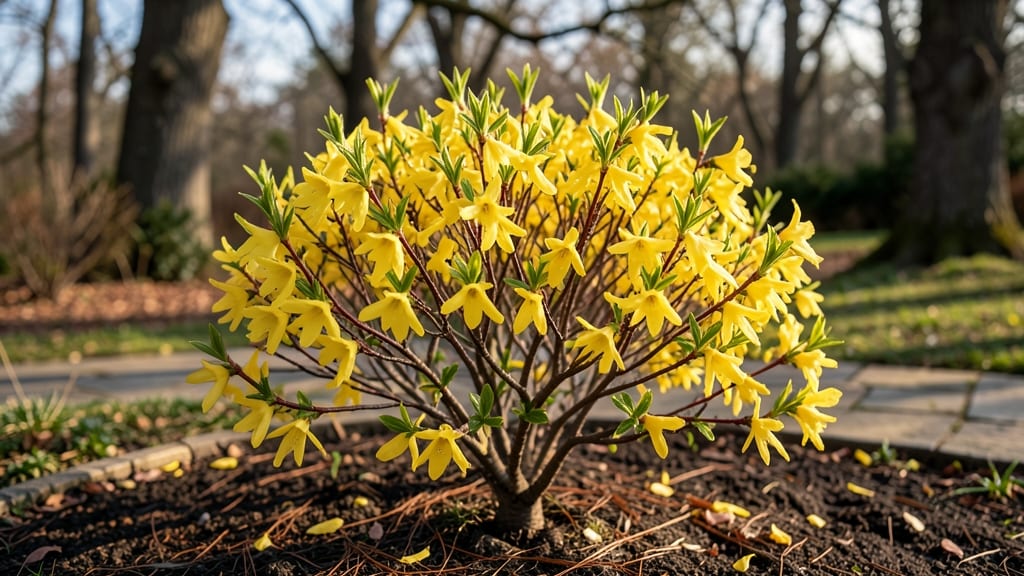
The forsythia blooms in early spring 🌸, and knowing the exact bloom time for your USDA zone can transform your garden from a guessing game to a predictable burst of golden cheer.
If you’ve ever wondered why your forsythia bushes bloom earlier than your neighbor’s—or why some years they seem to burst into color while others lag—USDA zones hold the key to predicting peak bloom times with near-perfect accuracy.
In zone 6a, where most gardeners live, forsythia typically bursts into bright yellow blooms between late March and early April, but a single degree of winter chill or an early warm spell can shift that window by weeks.
Below, I’ll break down the precise bloom months for zones 3 through 9, share the pruning secrets that extend your forsythia’s show, and reveal how to use local weather to forecast its arrival like a pro.
Exact forsythia bloom months by USDA zone (with regional variations)
Predicting when your forsythia will burst into bright yellow blooms depends entirely on your USDA zone and local microclimate. While most gardeners expect spring color, the exact bloom timing can vary by 3-4 weeks between zones.
Understanding these patterns helps you plan pruning, anticipate maintenance, and even extend the bloom period with proper care.
Forsythia is one of the first shrubs to flower in spring, often signaling the end of winter. Its early blooming habit makes it a reliable harbinger of warmer weather, but regional differences—like coastal delays or inland warmth—can shift bloom windows significantly.
For example, a zone 9 garden in Southern California might see forsythia in late January, while a zone 5 yard in Minnesota could wait until mid-April.
Here’s how to pinpoint your forsythia’s bloom window based on your zone, including early bloomers, peak periods, and late-season variations:
If you live in zone 3 or 4, your forsythia’s early bloom might coincide with late-winter pruning, so hold off until after flowering to avoid cutting off next year’s buds.
In warmer zones (7-9), blooms can appear so early that winter pruning becomes safer—just time it for dormant season before buds swell.
Regional variations play a huge role. For instance, coastal areas often experience delayed blooms due to cooler ocean breezes, while inland zones may see earlier flowers thanks to warmer daytime temperatures. Even within
How to extend forsythia bloom time with pruning and care
Forsythia bushes are famous for their vibrant yellow spring blooms, but many gardeners miss the full potential of their bloom duration. With the right pruning techniques and seasonal care, you can extend those cheerful flowers by 1-2 weeks or more.
The key lies in understanding when and how to prune, optimize sunlight exposure, and feed your shrubs at the right time.
Most gardeners make the mistake of pruning at the wrong time, which can actually shorten bloom time. Forsythia blooms on old wood, meaning last year’s growth produces this year’s flowers.
Cutting back too late or too aggressively removes next year’s buds. Let’s fix that with a science-backed approach to maximize your forsythia’s show.
- Prune immediately after blooming (April-May) to avoid cutting off next year’s buds. Use clean, sharp pruning shears to remove dead or crossing branches while preserving the shrub’s natural shape.
- Feed in early spring (March) with a 10-10-10 balanced fertilizer to encourage robust new growth. Apply ½ cup per shrub and water thoroughly to prevent root burn.
- Ensure full sun exposure (6+ hours daily) for maximum bloom production. Partial shade can delay blooming and reduce flower intensity.
- Water deeply but infrequently—forsythia is drought-tolerant once established. Focus on deep soaks every 7-10 days in dry spells to encourage strong root development.
- Avoid late-season pruning (after July). Pruning after this cuts back next year’s flower buds, shortening bloom time. Save heavy pruning for right after blooming.
Another critical factor is sunlight optimization. Forsythia thrives in full sun, but many gardeners unintentionally shade their bushes with nearby trees or structures.
If your forsythia is in partial shade, consider transplanting it to a sunnier location—this alone can extend bloom time by up to 10 days. Even just a few extra hours of morning sun can make a difference.
For established forsythia shrubs, a light mulch layer (2-3 inches) of organic material like wood chips or compost helps retain moisture and regulate soil temperature. This supports consistent growth and bloom production. Apply mulch in early spring after pruning but before new growth emerges.
Finally, monitor your forsythia’s health throughout the year. Yellowing leaves or sparse blooms may signal nutrient deficiencies or poor drainage. Amend the soil with compost annually to improve fertility and structure. With these adjustments, your forsythia will reward you with longer, more vibrant blooms year after year.
Remember, patience is key—forsythia responds best to gradual adjustments rather than drastic changes. Start with one or two of these tips this season, and you’ll notice a difference in your shrub’s bloom duration within just a few months. 🌸