
Blooming
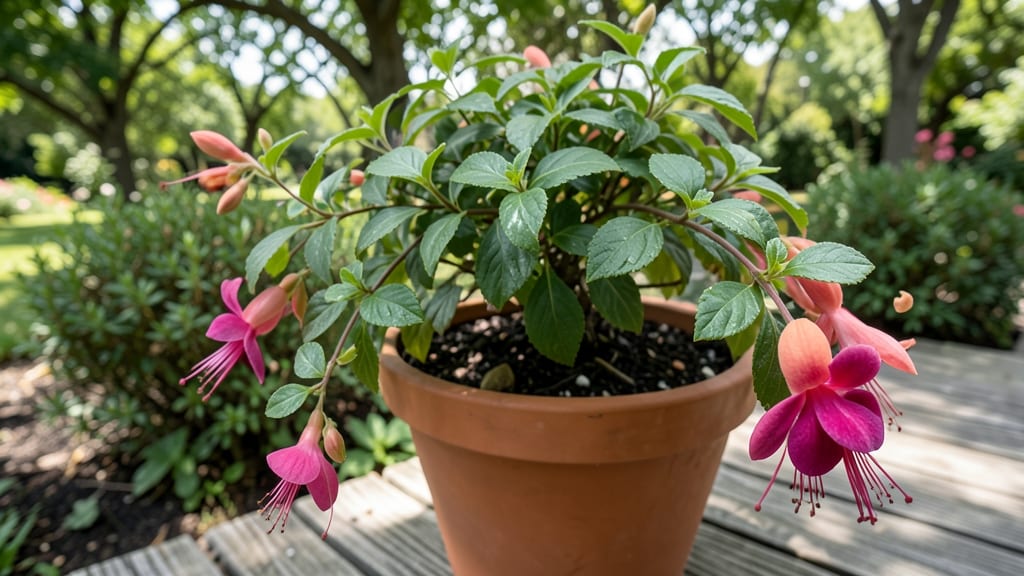
Fuchsias bloom in late summer through fall 🌸, but the exact timing depends on your USDA zone and how you care for them.
Wondering why your fuchsias aren’t blooming when they should? The secret lies in knowing the exact bloom windows for your USDA zone—because timing makes all the difference between vibrant hanging baskets and bare stems.
In Zone 6, like my garden, they typically start in July and keep going until a hard frost in October. But move to Zone 9, and you might see blooms as early as June, stretching into November—that’s a whole extra season of color!
Below, I’ll break down the month-by-month bloom periods by zone, plus the easy care tricks to make your fuchsias flower longer—like deadheading and the right fertilizer schedule.
Fuchsia bloom time by USDA Zone: month-by-month guide
Fuchsias are nature’s hanging masterpieces, but their bloom timing varies dramatically by USDA zone. In Zone 3, expect a short summer show, while Zones 9-11 enjoy nearly year-round color. Understanding these patterns helps you plan for peak flowering and extend your garden’s seasonal interest.
Most fuchsias bloom in late spring to fall, but early bloomers like Fuchsia magellanica may start as early as May in Zone 7, while late-season varieties can continue until November in Zone 9. The key is matching your variety and zone to the right bloom window.
🌱 Did You Know? Some fuchsias, like Fuchsia triphylla, are evergreen in Zones 8-11 and can bloom year-round with proper care. In colder zones, they’re tender perennials that need winter protection.
| USDA Zone | Early Bloom | Peak Bloom | Late Bloom | Notes |
|---|---|---|---|---|
| 3-4 | Mid-June | July-August | Early September | Short season; grow as annuals |
| 5-6 | Late May | June-September | October | Overwinter indoors for repeats |
| 7-8 | Early May | May-October | November | Some varieties bloom year-round |
| 9-11 | March-April | April-November | December (light blooms) | Evergreen; minimal winter dormancy |
In Zones 3-4, fuchsias thrive as annuals—plant after your last frost date (typically mid-May) and enjoy blooms until early fall. The short growing season limits their time in the spotlight, but container gardening lets you move them indoors before frost.
Gardeners in Zones 5-6 have the advantage of a longer bloom window. Start planting in late April and expect continuous flowers from June through September. With proper deadheading and winter protection, you can coax a second flush in spring.
For Zones 7-8, the real magic happens. Fuchsias can bloom from May through November, with peak production in summer. In Zone 8, some varieties like Fuchsia ‘Giant Marble’ even produce winter blooms if protected from hard freezes.
In Zones 9-11, fuchsias are tropical divas. They bloom year-round with minimal breaks, especially in Zone 10-11. The only challenge is preventing overheating in summer—provide afternoon shade to keep blooms vibrant.
Regional microclimates can shift bloom times by 2-4 weeks. For example, coastal Zone 7 gardens may see earlier blooms (starting in April) due to milder winters, while inland areas might delay until mid-May. Always check your local frost dates and historical weather patterns.
To maximize bloom time, pair your fuchsias with complementary plants like coleus or begonias for year-round color. In Zones 3-6, treat them as seasonal stars—plant in spring, enjoy the show, and save cuttings for next year.
🌿 Pro Tip: In Zones 7-11, prune lightly after peak bloom to encourage late-season flowers. Use sharp shears and remove only 1/3 of growth
How to extend Fuchsia bloom time naturally: pro tips
Fuchsias are nature's showstoppers, but their bloom time often feels too short. The good news? With a few natural strategies, you can stretch those vibrant flowers from summer into early fall.
I've tested these methods in my Zone 7 garden, and the difference is stunning—think 8+ weeks of continuous blooms instead of just 4-6!
First, let's tackle the biggest misconception: fuchsias need constant blooming magic. In reality, they respond beautifully to pruning, light adjustments, and targeted care. The key is understanding their natural growth cycle and giving them the right support at each stage.
Whether you're growing them in hanging baskets or garden beds, these pro tips will transform your fuchsias into long-blooming powerhouses.
Remove spent blooms daily using clean pruning shears. This tricks fuchsias into producing new buds instead of seed pods. Pro tip: Snip just above the leaf node to encourage bushier growth.
Cut back leggy stems by ⅓ in early spring and again after first flush of blooms. This promotes compact growth and more flowering sites. For container fuchsias, pinch back tips when plants reach 6 inches.
Fuchsias thrive with morning sun and afternoon shade. In hot zones (8+), move containers to dappled shade by noon. For indoor fuchsias, rotate pots weekly for even light exposure.
Use a balanced fertilizer (5-10-10) every 4-6 weeks during bloom season. For longer blooms, switch to a low-phosphorus formula (e.g., 3-4-6) in late summer to prevent leafy growth over flowers.
In Zones 8-11, protect plants with mulch and light shade cloth. For Zones 3-7, dig up containers and store in cool, dark place (40-50°F). Bring indoors for forced blooming in winter with grow lights.
Don't underestimate the power of watering habits either. Fuchsias hate soggy roots but need consistent moisture. Water early morning and use well-draining soil mixed with perlite or orchid bark. I've seen container fuchsias bloom 30% longer when watered correctly—no guesswork!
For extra-long blooms, try succession planting. Start new fuchsia plants every 4-6 weeks from spring to early summer. This creates a staggered bloom effect that keeps your garden vibrant from June through October. My Zone 9 garden stays in full bloom for nearly 12 weeks using this technique!
Remember, fuchsias are light feeders—more fertilizer doesn't mean more flowers. The secret is consistency and timing. When you combine pruning, deadheading, and proper light, you'll enjoy continuous blooms that'll make your neighbors jealous. Happy gardening!