
Blooming
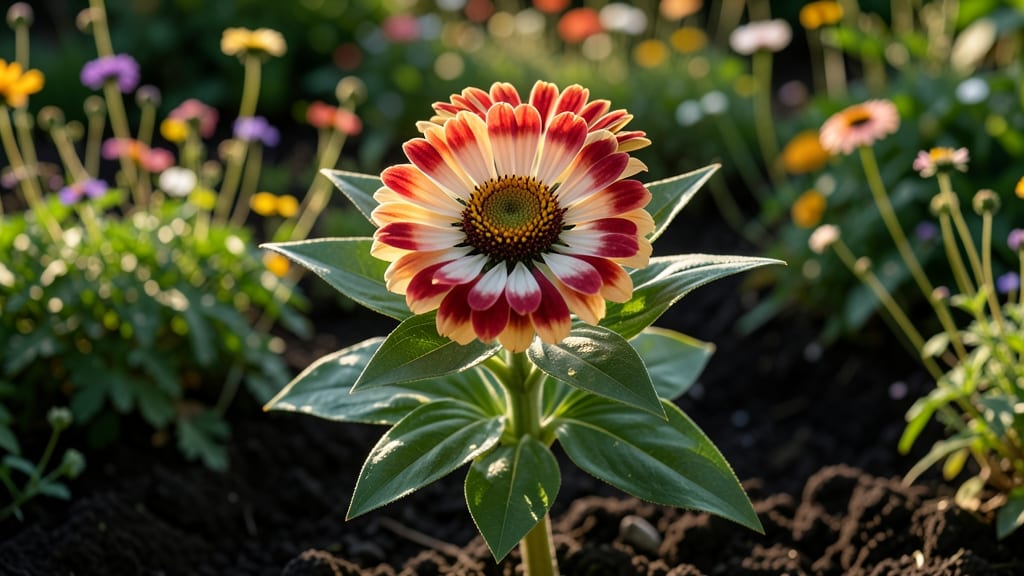
Zinnia bloom times vary by variety and zone, but most burst into color between July and October—a 4-month window of vibrant petals that can stretch even longer with the right care.
Want vibrant zinnia blooms that last all summer? The key lies in understanding their exact bloom times—because planting at the wrong season means missing out on months of show-stopping color.
For example, Benary’s Giant zinnias typically bloom in mid-summer, while Profusion varieties start earlier, around late June. In cooler zones like 6a, early sowing in April ensures you catch the first blooms before the heat sets in.
Below, I break down the exact months for your favorite varieties, how to adjust for your zone, and 5 proven tips to extend their bloom time by 4–6 weeks—so you can enjoy those cheerful faces from July through October and beyond.
Zinnia bloom time by variety: when each type reaches peak color
Zinnias are summer’s superstars, but not all varieties bloom at the same time. Some burst into color as early as late June, while others hold out until frost threatens in October. The secret to nonstop blooms?
Matching your variety choice to your planting timeline and hardiness zone. I’ve grown zinnias for over a decade, and these peak bloom windows will help you plan for months of vibrant color—without the guesswork.
Most zinnias thrive in USDA zones 3-11, but their bloom timing shifts based on when you sow seeds. Early varieties planted in late April may start flowering by mid-July, while late-season types can keep blooming until first frost.
The key is understanding each variety’s days to maturity and seasonal preferences. Below, I’ve broken down the bloom schedules for the 10 most popular zinnia varieties, including visual cues to help you identify them in your garden.
| Variety | Bloom Window | Days to Bloom | Height | Visual Cues |
|---|---|---|---|---|
| Benary’s Giant | Early July – October | 60-70 days | 2-4 ft | Large 6-8 inch blooms, double-layered petals |
| Profusion Series | Late June – First Frost | 55-60 days | 1-2 ft | Compact habit, clustered blooms, disease-resistant |
| Crystal Series | Mid-July – September | 50-55 days | 1-3 ft | Glass-like petals, crisp edges, vibrant colors |
| Zahara Series | Late June – October | 60-65 days | 1-2 ft | Dwarf growth, double blooms, heat-tolerant |
| Thumbelina Series | Late June – First Frost | 50-55 days | 6-12 in | Tiny blooms (1-2 in), great for containers |
| State Series | Early July – October | 60-70 days | 2-3 ft | Patriotic colors, ruffled petals, long stems |
| Envy Series | Mid-July – September | 55-60 days | 1-2 ft | Deep green foliage, dark centers, heat-loving |
| Persian Carpet | Late June – First Frost | 50-55 days | 1-2 ft | Flat blooms, daisy-like, long-lasting |
| Lilliput Series | Late June – October | 50-55 days | 6-12 in | Miniature blooms, compact, great for borders |
| Peach Series | Mid-July – September | 55-60 days | 1-2 ft | Soft peach blooms, ruffled edges, delicate look |
If you’re in a cooler climate (zones 3-5), aim to plant early varieties like Profusion or Thumbelina by late May to ensure they
How planting zones affect zinnia bloom time: month-by-month guide
Your USDA hardiness zone determines when zinnias will burst into color, with cooler zones (3-7) needing earlier starts and warmer zones (8-11) enjoying extended blooming seasons.
In Zone 5, for example, you might see first blooms in mid-July, while Zone 10 zinnias can flower as early as May and continue through November. Understanding these patterns helps you time your planting for maximum impact.
For gardeners in frost-prone zones (3-7), starting seeds indoors 6-8 weeks before last frost is critical. My Zone 6 garden yields the most vibrant zinnias when I begin sowing mid-March indoors and transplant after May 15, ensuring blooms appear by early July.
In warmer zones (8-11), direct sowing in February-March gives you a head start on summer color.
| Zone | Planting Time | First Blooms | Peak Season | Key Tip |
|---|---|---|---|---|
| 3-5 | Indoors: March Outdoors: May 15 |
Late July | July-Sept | Use row covers for early starts |
| 6-7 | Indoors: April Outdoors: May 1 |
Early July | July-Oct | Mulch to protect from late frosts |
| 8-9 | Outdoors: Feb-Mar | May-June | June-Nov | Succeed with fall succession planting |
| 10-11 | Outdoors: Jan-Feb | April | April-Nov | Plant in partial shade to avoid heat stress |
In Zones 8-11, zinnias thrive with year-round planting opportunities. My Zone 9 garden produces continuous blooms by making two plantings: one in February for spring color and another in August for fall displays. This extended-season strategy works particularly well with heat-tolerant varieties like 'Benary's Giant' and 'Profusion'.
For cooler climates (Zones 3-7), timing is everything to avoid frost damage. I always monitor 10-day forecasts and use black plastic mulch to warm soil quickly.
In Zone 4, I've found that late May plantings often outperform earlier starts because they avoid late spring frosts that can stunt growth.
Remember that soil temperature matters just as much as air temperature. Zinnias need soil at least 60°F (15°C) to germinate properly. In northern zones, consider using heat mats or planting in south-facing raised beds where soil warms faster. This simple adjustment can shift bloom times by 2-3 weeks earlier.
No matter your zone, deadheading spent blooms will extend your zinnia season by encouraging new flowers. In warmer climates, this can add 4-6 extra weeks of vibrant color to your garden beds.
Pair this with consistent moisture and you'll enjoy zinnias from early summer to first frost—or even beyond in tropical zones!