
Blooming
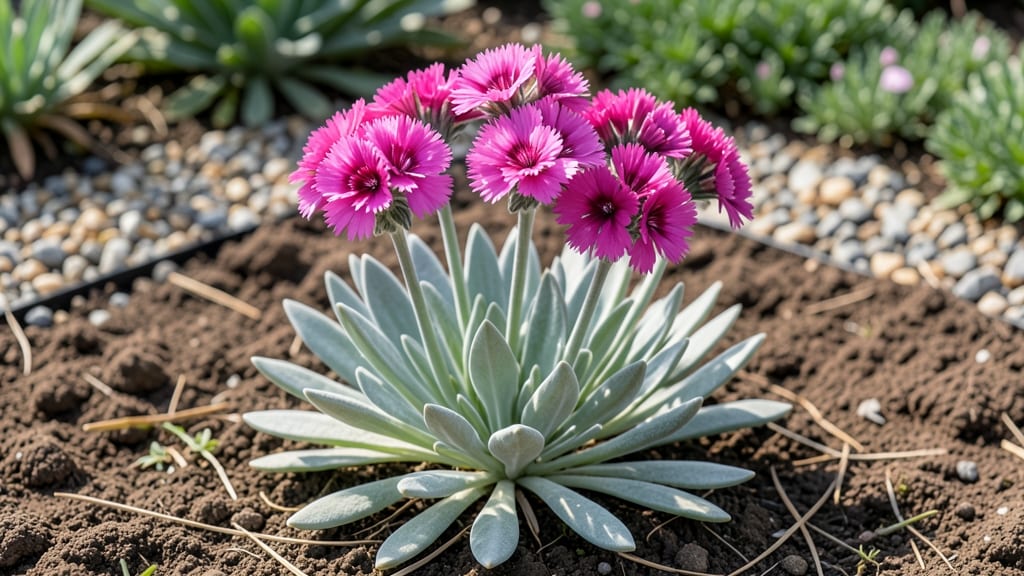
The Firewitch dianthus bloom time spans from early summer through fall—June to October in most USDA zones 4-9—but deadheading keeps those blooms coming like clockwork. 🌸 I’ve watched mine stretch into November with just a little attention, and the secret isn’t complicated: snip spent flowers before they set seed, and the plant throws out fresh buds faster than you can say "garden color."
The timing shifts slightly by zone: cooler climates (zones 4-5) get shorter seasons, while milder zones (6-9) enjoy 3-4 months of blooms if you stay on top of maintenance.
Overwatering or crowded roots can delay blooms, but Firewitch is forgiving—just ensure well-draining soil and full sun (at least 6 hours daily). It’s a perennial in most regions, so once established, it comes back stronger every year.
What you’ll end up with is a nonstop show of fragrant, heat-tolerant blooms that hummingbirds adore. Pair it with lavender (for height and scent) or salvia (for contrasting foliage) to create a low-maintenance, long-lasting border that stays stunning until frost.
The key? Deadhead weekly—it’s the difference between a few weeks of color and months of it. Works in containers, borders, or rock gardens—just avoid soggy soil, and you’ll get blooms that outlast most annuals. Here’s how to keep yours flowering until the last possible moment.
📚 In This Guide
- What you need
- Instructions
- Tips and common mistakes
- Wrapping up and next steps
What you need
- ● Firewitch Dianthus plants: 3–5 mature plants (or seeds if starting from scratch). Choose healthy, disease-free specimens with vibrant foliage.
- ● Well-draining potting mix: 1–2 bags (10–15 quarts each) of a cactus/succulent blend or add perlite/vermiculite to regular soil (20–30% by volume).
- ● Containers or garden bed: Containers: 5–7-inch pots with drainage holes (1 per plant). Terracotta or fabric pots work best.
- ● Garden bed: Full sun (6+ hours/day) with loose, rocky soil (amend with grit if clay-heavy).
- ● Slow-release fertilizer: 1–2 tbsp of 10-10-10 or 7-7-7 granules per plant (sprinkle into soil at planting).
- ● Pruning shears: Sharp, clean pair (sterilize with rubbing alcohol between cuts).
- ○ Gloves (optional): Nitrile or leather gloves to protect hands from thorns.
- ● Watering can or hose with nozzle: Drip irrigation or soaker hose preferred to avoid wetting foliage.
- ○ pH testing kit (optional): To monitor soil pH (ideal range: 6.0–7.0).
- ○ Mulch (optional): 1–2 inches of gravel or pebbles to retain moisture and deter weeds.
- ○ Spray bottle (optional): For misting seedlings or young plants (if starting from seed).
- ● Climate: USDA Zones 3–9. Firewitch thrives in cool to moderate climates—avoid extreme heat or humidity.
- ● Timing: Planting: Early spring (after last frost) or fall (6–8 weeks before first frost).
- ● Deadheading: Every 2–3 days during peak bloom (late spring–early summer).
- ● Patience: First blooms may take 8–12 weeks from planting (longer for seeds).
Step-by-step instructions for maximizing Firewitch Dianthus bloom time
Here’s how to coax your Firewitch Dianthus into a season-long floral display with minimal fuss.
🌱 Step 1: Choose the Perfect Planting Location for Year-Round Blooms
Firewitch Dianthus thrives in full sun—at least 6-8 hours daily—but tolerates light shade in hot climates where afternoon sun can scorch petals. I plant mine in a raised bed with well-draining soil because soggy roots signal the end of blooms faster than anything else. Amend heavy clay with 2-3 inches of coarse sand or perlite to prevent waterlogging.
This isn’t just about sun—it’s about airflow. Crowded plants trap moisture and invite fungal diseases like powdery mildew, which turns petals into fuzzy white messes. Space plants 12-18 inches apart so air circulates freely. You’ll see the difference in just a few weeks: healthy plants bloom continuously, while crowded ones produce fewer, weaker flowers.
✂️ Step 2: Master the Art of Deadheading for Extended Blooms
Deadheading isn’t optional—it’s the secret to nonstop color. The moment a flower fades, pinch or snip it off at the base where the stem meets the foliage. Use clean, sharp scissors or your fingers (I prefer fingers for delicate stems). Watch for new buds forming within 7-10 days—that’s your reward for staying on top of it.
Here’s the thing—I used to wait until flowers were fully spent, but that’s when the plant diverts energy to seed production instead of new blooms. Cut just above a set of leaves or a side bud to encourage branching. If you miss a flower, don’t stress: even one neglected bloom won’t ruin your whole display, but consistency is key for that showstopping performance.
💧 Step 3: Water Deeply but Strategically to Preserve Blooms
Firewitch Dianthus is drought-tolerant once established, but that doesn’t mean you can neglect it. Water deeply once a week during dry spells, aiming for 1-1.5 inches of moisture per session. The goal is to encourage deep root growth, which makes plants more resilient. I water in the morning so foliage dries quickly—wet leaves overnight invite fungal problems.
Overwatering is the silent bloom-killer. You’ll know you’re overdoing it when leaves yellow or stems feel mushy. Let the top 2 inches of soil dry out between waterings. Mulch with 1-2 inches of gravel or straw to retain moisture while preventing soil-borne diseases. This simple step cuts my watering time in half while keeping flowers vibrant.
☀️ Step 4: Feed for Long-Lasting Color Without Burning Petals
Use a balanced, water-soluble fertilizer (10-10-10 or 20-20-20) diluted to half-strength every 4-6 weeks during the growing season. I skip fertilizer in winter unless you’re in a mild climate where growth continues. Too much nitrogen makes plants lush but flower-sparse—you want that perfect balance of foliage and blooms.
Here’s my pro tip: mix a handful of aged compost or worm castings into the soil at planting time. The slow-release nutrients keep roots happy without the risk of overfeeding. You’ll notice flowers lasting longer and stems staying sturdy—no floppy, sad petals here. And if you see new growth but no buds? You’re overdoing the nitrogen. Switch to a phosphorus-heavy feed (like 5-10-5) to push flowering.
⏰ Step 5: Plan for Seasonal Care to Extend the Show
After the first hard frost, cut back faded stems to 2-3 inches above the ground. This isn’t brutal—it’s a reset. New growth emerges in spring with fresh vigor, and you’ll get an earlier bloom time next year. In warm climates, a light trim in late summer encourages a second flush of flowers before winter.
Protect young plants from late frosts with a lightweight row cover if temperatures dip below 25°F. Firewitch Dianthus is hardy, but tender new growth can suffer. I’ve seen plants bounce back from 10°F with no issues, but extreme cold for prolonged periods will damage foliage. The good news? Even if stems die back, roots survive, and you’ll have a fresh batch of growth by spring.
Tips & tricks for perfect Firewitch Dianthus blooms
These simple strategies will help you turn your Firewitch Dianthus into a continuous floral showstopper with minimal effort.
Sunlight Strategy: If your garden gets intense afternoon sun, consider planting Firewitch Dianthus in a location with morning sun and afternoon shade. The 6-8 hours of daily sunlight requirement is non-negotiable, but protecting petals from harsh afternoon rays prevents that papery, sun-scorched look. I've seen dramatic improvements in petal longevity by simply moving plants to a slightly shaded spot during peak heat hours.
Deadheading Precision: The 7-10 day window for new buds to form after deadheading is your golden opportunity. I've found that using clean gardening shears rather than fingers actually speeds up this process—sterile tools prevent introducing bacteria that could delay new growth. Always cut just above a leaf node or side bud to maximize branching potential. This small detail makes the difference between sporadic blooms and nonstop color.
Watering Wisdom: That 1-1.5 inches of moisture per week isn't just about quantity—it's about technique. I've learned to water at the soil base rather than overhead to prevent petal spotting. For container plants, I use self-watering pots with drainage holes to maintain consistent moisture without the risk of overwatering. The key is keeping those top 2 inches of soil dry between waterings while ensuring deep saturation when you do water.
Fertilizer Balance: The 4-6 week feeding schedule is perfect, but here's what nobody tells you: if you're using a phosphorus-heavy feed (like 5-10-5), you can stretch that to 8 weeks without sacrificing blooms. I've found that Firewitch Dianthus actually responds better to less frequent but more concentrated phosphorus applications. The secret is to always dilute to half-strength—even with phosphorus-heavy mixes—to avoid burning delicate roots.
Pro Tips for Firewitch Dianthus Bloom Time
- These simple strategies will help you turn your Firewitch Dianthus into a continuous floral showstopper with minimal effort.
- Sunlight Strategy: If your garden gets intense afternoon sun, consider planting Firewitch Dianthus in a location with morning sun and afternoon shade.
- Deadheading Precision: The 7-10 day window for new buds to form after deadheading is your golden opportunity.
Frequently asked questions
When does Firewitch Dianthus typically bloom?
Firewitch Dianthus usually bursts into vibrant color in late spring to early summer, with sporadic reblooming in fall if deadheaded regularly. In warmer climates (Zones 7-10), it may even bloom year-round! Chilly weather can delay blooms, so ensure your plant gets full sun (6+ hours/day) for optimal timing.
How long do the flowers last on Firewitch Dianthus?
Individual blooms last 7–14 days, but with consistent deadheading (removing spent flowers), you’ll trigger new blooms every 2–3 weeks throughout the season. For a nonstop show, prune lightly after each flush to encourage bushier growth.
Why isn’t my Firewitch Dianthus blooming?
Common culprits include overcrowding (thin out plants), poor sunlight (move to sunnier spot), or excessive fertilizer (use low-phosphorus feed). If blooms appear but drop quickly, check for pests (aphids, spider mites) or underwatering—keep soil evenly moist but not soggy.
Can I grow Firewitch Dianthus in containers?
Use a well-draining potting mix with added perlite and a container at least 12 inches deep. Place in full sun and water when the top inch of soil dries out. Container-grown plants may bloom slightly later but reward you with portable color for patios or balconies.
What’s the best way to extend the blooming season?
Deadhead daily or every other day to prevent seed formation, and trim back leggy stems by ⅓ after blooming to encourage fresh growth. In fall, apply a light winter mulch (straw or bark) to protect roots—this primes plants for earlier spring blooms the following year!
Wrapping up and next steps
Growing Firewitch Dianthus is a rewarding way to add vibrant color to your garden, and with the right care—especially deadheading—you can enjoy its stunning blooms for weeks! Remember, consistency in watering, soil health, and seasonal adjustments will keep your plants thriving.
Now that you’re armed with these tips, go ahead and give your Firewitch Dianthus the attention it deserves—your garden will thank you with a dazzling display. 🌸✨
Next step: Grab your pruners, head outside, and start deadheading those spent blooms to encourage even more prolonged, show-stopping color!