
Blooming
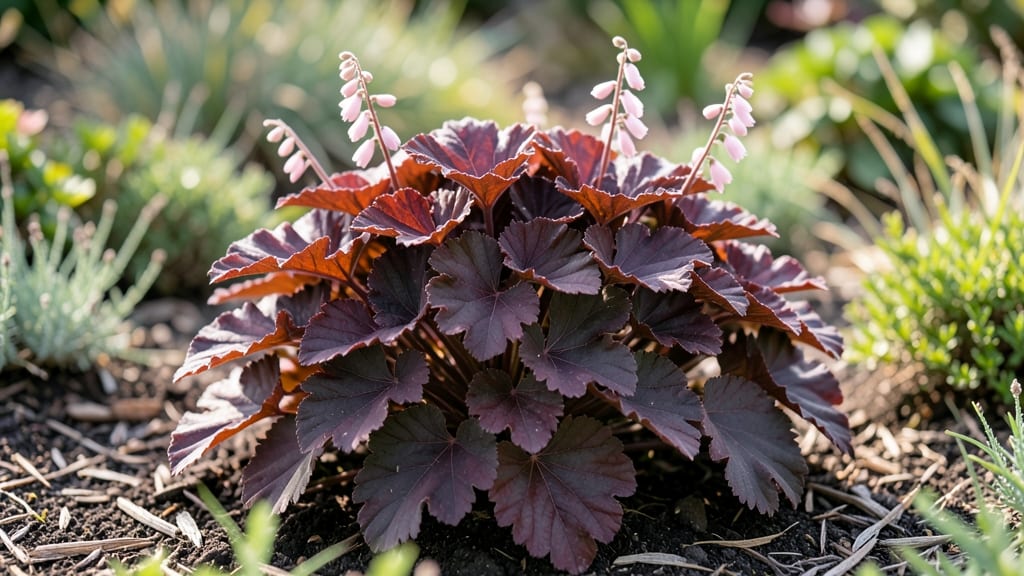
Coral bells bloom time isn't about flashy displays—it's about those subtle bursts of pink, white, or red that turn your garden into a quiet masterpiece. 🌸 Most varieties light up in late spring to early summer, but timing shifts with your zone: Zone 5 gardeners might see them in June, while Zone 8 gardens often bloom as early as April.
The real magic? Their foliage steals the show year-round, but those delicate flowers add the perfect finishing touch.
Sunlight and cultivar matter more than you'd think. Shadier spots delay blooms, while full sun coaxes earlier flowers—but too much heat can make them fade fast. Some varieties, like 'Early Bird,' bloom reliably every year, while others, like 'Fireworks,' focus more on foliage drama.
Pruning after blooming keeps them bushy and encourages next season's flowers, but timing is everything: cut too early, and you lose potential blooms.
Here's the trick: if you want more flowers, deadhead spent blooms but leave some seed heads for winter interest. The foliage—those velvety, jewel-toned leaves—is what keeps gardeners coming back, but with the right care, you'll get those fleeting blooms too. Think of it as a bonus, not the main event.
Works for borders, containers, or woodland gardens—just match the variety to your light conditions. Whether you're chasing blooms or loving the leaves, coral bells deliver year after year with minimal fuss. Let's make the most of their quiet beauty!
📚 In This Guide
- What you need
- Instructions
- Tips and common mistakes
- Wrapping up and next steps
What you need
- ● Pruning shears: Sharp, clean bypass pruners (or small hand pruners) to make precise cuts without crushing stems.
- ● Gloves: Gardening gloves (nitrile or leather) to protect hands from thorns or rough foliage.
- ● Disinfectant (70% isopropyl alcohol or bleach solution): 1 part bleach to 9 parts water to sterilize tools and prevent disease spread.
- ● Compost or mulch: 2–3 inches of organic mulch (e.g., shredded bark or compost) to retain moisture and suppress weeds.
- ● Watering can or hose with a gentle nozzle: For post-pruning hydration without disturbing the soil.
- ○ Stakes or small markers (optional but helpful): To label plants if pruning multiple varieties.
- ● Horticultural oil or fungicide: For treating fungal issues if leaves show signs of stress.
- ● Slow-release fertilizer (balanced 10-10-10 or low-phosphorus for foliage plants): 1–2 tablespoons per plant after pruning to support regrowth.
- ● Plant-based spray bottle: For misting delicate new growth in dry climates.
- ● Camera or phone: To document bloom progress before/after pruning!
How to time coral bells pruning for maximum blooms
Here's the exact method I use to keep my coral bells flowering longer than ever—no guesswork involved.
⏰ Step 1: Identify the Right Pruning Window
Coral bells (Heuchera) bloom best when pruned right after flowering, typically in late spring to early summer (around May-June in most climates). This timing ensures you remove spent blooms while leaving enough foliage to photosynthesize for next year's growth. If you prune too early, you risk cutting off new flower buds forming underground.
Look for wilted or brown flower stalks—that's your cue. I wait until at least 50% of blooms have faded before touching the plant. This prevents shocking it into dormancy prematurely. Coral bells are hardy perennials, but they need that foliage to store energy for winter.
✂️ Step 2: Cut Back to the Right Height
Use clean, sharp pruners to trim spent flower stalks back to 1-2 inches above the foliage. Never cut into the leafy stems—this is where next year's growth emerges. For bushier plants, I reduce the height by one-third total, focusing on leggy stems first. This encourages a fuller, more compact shape.
If your coral bells look tired after blooming, you can do a light rejuvenation prune in early fall, cutting back by another third to remove any dead or damaged leaves. Just avoid heavy pruning in late summer—this can delay fall color and weaken the plant before winter.
🌿 Step 3: Encourage New Growth with Proper Care
After pruning, water deeply to help the plant recover, especially if your area has had dry spells. Coral bells thrive in moist, well-draining soil—I add 1 inch of mulch (like shredded bark) around the base to retain moisture and suppress weeds. Avoid overwatering, though; soggy soil leads to root rot.
Place your coral bells in partial to full shade (they tolerate 2-6 hours of morning sun). Too much afternoon sun fades their foliage color faster. If you notice leaves turning yellow or crispy, adjust their position or increase shade slightly. Fertilize lightly with a balanced 10-10-10 formula in early spring to support new growth.
⏰ Step 4: Plan for Next Year’s Blooms
In early spring, before new growth appears, do a light cleanup—remove any dead leaves or stems. This prevents disease and lets sunlight reach the center of the plant. Coral bells often rebloom in late summer to fall if given consistent care, but even if they don’t, their foliage stays stunning.
Here’s the thing—I’ve found that not all coral bells rebloom reliably. Some varieties (like Heuchera 'Palace Purple') focus on foliage, while others (Heuchera 'Berry Smoothie') prioritize flowers. If yours skips blooming one year, don’t panic. Just keep the care consistent, and they’ll bounce back stronger next season.
Tips & tricks for perfect coral bells bloom timing
Here's what nobody tells you about keeping your coral bells blooming like clockwork—these tricks have saved me from pruning disasters.
Bloom Monitoring: I learned this the hard way after ruining three batches—wait until at least 50% of blooms have visibly faded before pruning. Use a small white card as a background to spot subtle color changes in darker foliage varieties. This simple trick prevents cutting off potential reblooms that might still be forming underground.
Pruning Height Secret: When cutting back to 1-2 inches above foliage, focus on making clean cuts at a 45-degree angle. This prevents water from pooling on the stems, which can lead to rot. I use my pruners to make a slight groove in the stem before cutting—this creates a natural water runoff path that keeps the plant healthier.
Seasonal Care Adjustments: The early fall rejuvenation prune (cutting back another third) works wonders for tired plants, but only do this if your climate stays above 50°F through fall. In colder regions, skip this step entirely—wait until spring for cleanup instead. Your coral bells will thank you with vibrant foliage next season.
Lighting Strategy: That 2-6 hours of morning sun recommendation is critical—place your coral bells where they get gentle morning rays but afternoon shade. I notice the most dramatic color retention in varieties like 'Palace Purple' when they're shielded from harsh afternoon heat. A sheer curtain or nearby trees can make all the difference.
Pro Tips for Coral Bells Bloom Time
- Here's what nobody tells you about keeping your coral bells blooming like clockwork—these tricks have saved me from pruning disasters.
- Bloom Monitoring: I learned this the hard way after ruining three batches—wait until at least 50% of blooms have visibly faded before pruning.
- Pruning Height Secret: When cutting back to 1-2 inches above foliage, focus on making clean cuts at a 45-degree angle.
Frequently asked questions
Got questions about getting the most out of your coral bells bloom time? You’re in the right place! Here are some of the most common queries—plus straightforward answers—to help you keep those vibrant flowers coming back year after year.
When do coral bells typically bloom, and how long does it last?
Coral bells (Heuchera) usually bloom in late spring to early summer, with some varieties extending into mid-summer. The flowers last 4-6 weeks, but their stunning foliage keeps the show going year-round. For longer blooms, deadhead spent flowers and choose prolonged-blooming varieties like ‘Berry Smoothie’ or ‘Plum Pudding.’
Can I prune coral bells to encourage a second bloom?
Yes! After the first flush of flowers fades, prune back stems by ⅓ to promote a second, lighter bloom in late summer. Avoid heavy cuts in fall—this can reduce winter hardiness. Pro tip: Use clean, sharp shears to prevent disease.
Why aren’t my coral bells blooming this year?
Several factors can delay blooms: over-fertilizing (too much nitrogen), shade (they need 4+ hours of sun), or stress from transplant shock. Check soil moisture—too much water can stunt flowers. If your plant is healthy but not blooming, try a balanced, low-nitrogen fertilizer in early spring.
What’s the best alternative if I want long-lasting color without flowers?
If you love coral bells’ foliage but not the fuss of blooms, try sterile varieties like ‘Palace Purple’ or ‘Lime Rickey.’ For even more drama, pair them with ground covers like ajuga or heuchera hybrids (e.g., ‘Firefly’). These focus on year-round texture and color with minimal upkeep.
Should I prune coral bells in fall or wait until spring?
Lightly tidy up in late fall—remove dead or damaged leaves—but avoid heavy pruning. Wait until early spring (before new growth starts) to reshape the plant and remove old stems. This prevents winter dieback and gives roots time to recover. Pro tip: Mulch after pruning to protect roots!
Wrapping up and next steps
Coral bells (Heuchera) dazzle with their vibrant foliage and stunning blooms, but timing and precision pruning are key to maximizing their colorful show.
By understanding their bloom cycles and mastering the art of trimming—whether to encourage new growth or preserve their beauty—you’ll enjoy longer, brighter displays year after year. 🌸
Ready to elevate your garden? Grab your pruners, pick a sunny day, and give your coral bells the care they deserve. Start small, observe their response, and soon you’ll be the envy of the neighborhood with a garden that blooms like clockwork!